
Get Answers
Understanding Organic Foods
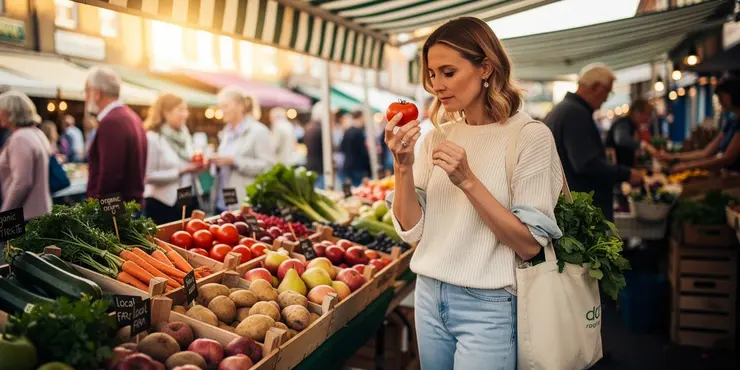
Organic fruits and vegetables are grown without synthetic pesticides, fertilizers, or genetically modified organisms. They must adhere to strict regulations ensuring minimal impact on the environment.
Consumers often choose organic options because they believe these foods are healthier and safer. The perception is that organic produce has a higher nutritional value and may contribute to better health outcomes.
Organic Foods and Cancer Risk
The primary claim about organic foods is their potential to reduce cancer risk due to fewer pesticide residues. Reduced exposure to harmful chemicals is believed to decrease the likelihood of developing certain types of cancer.
However, scientific evidence on the direct link between organic food consumption and lowered cancer risk is limited. Most studies have not definitively established a causal relationship.
Nutritional Content Comparisons
Research comparing the nutritional content of organic and conventional produce shows mixed results. Some studies indicate slightly higher levels of antioxidants in organic fruits and vegetables.
These higher antioxidant levels could theoretically have a protective effect against cancer. However, the nutritional differences are generally small and may not have a significant impact on cancer risk.
Importance of a Balanced Diet
While organic foods might have some advantages, a balanced diet rich in fruits and vegetables, regardless of how they are grown, is vital. A diverse intake of produce can provide essential vitamins, minerals, and antioxidants.
The focus should be on consuming a wide variety of fruits and vegetables. This approach supports overall health, potentially reducing cancer risk more effectively than focusing solely on organic consumption.
Cost and Accessibility
Organic produce is often more expensive than conventional options. This cost difference can limit access for some individuals or families, potentially affecting dietary choices.
Ensuring access to a broad array of fruits and vegetables is critical. Price should not deter individuals from obtaining the essential nutrients that all types of produce provide.
Conclusion
The debate over organic foods and cancer prevention continues, with no definitive evidence to support that organic is inherently better. The most important factor is the regular consumption of fruits and vegetables.
Incorporating a variety of produce into the diet is crucial for promoting health. While organic options are available, the key is to enjoy a nutritionally rich diet within personal budget and access constraints.
Frequently Asked Questions
Organic fruits and vegetables are grown without the use of synthetic pesticides, fertilizers, genetically modified organisms, or ionizing radiation.
Some studies suggest that organic foods might have slightly higher nutrient levels, particularly in terms of antioxidants, but the differences are generally modest.
There is some evidence suggesting that organic diets may lower overall cancer risk, though results are not conclusive and more research is needed.
Organic produce is lower in pesticide residues and may contain higher levels of certain nutrients and antioxidants, which might have health benefits.
Some observational studies have found an association between organic food consumption and reduced risk of certain cancers, but evidence is not definitive.
Antioxidants help neutralize free radicals, which can damage cells and lead to cancer. Consuming foods rich in antioxidants may help reduce cancer risk.
Yes, organic foods generally have lower levels of pesticide residues, reducing exposure to these potentially harmful chemicals.
Some studies suggest a lower cancer risk for organic food consumers, but more research is required to establish a clear causal relationship.
Chronic exposure to certain pesticides has been linked to increased cancer risk, though individual risk varies based on type and level of exposure.
No, cancer risk is influenced by a combination of genetic, environmental, and lifestyle factors, including diet, physical activity, and smoking.
Organic produce may be safer for children as they are more susceptible to the harmful effects of pesticide residues.
Common types of organic produce include apples, strawberries, spinach, carrots, and lettuce.
The higher cost of organic produce compared to conventional produce is a major barrier for many consumers.
Yes, a diet high in fruits and vegetables is generally associated with a reduced risk of various cancers, regardless of whether they are organic or conventional.
Organic produce can cost 20% to 100% more than conventional produce, depending on the item and location.
Yes, in many countries, the term 'organic' is regulated, and products must meet specific standards to be certified.
Organic produce may spoil faster because it does not contain preservatives, so it requires careful storage and timely consumption.
Most health organizations emphasize a diet rich in fruits and vegetables for cancer prevention, regardless of whether they are organic, but acknowledge potential benefits of organic for reducing pesticide exposure.
Nutrients such as fiber, vitamins C and E, carotenoids, and flavonoids in fruits and vegetables are believed to help reduce cancer risk.
There is no consensus yet, as findings are mixed. Some studies show potential benefits, but definitive conclusions about organic produce specifically reducing cancer risk are not yet available.

Ergsy Search Results
This website offers general information and is not a substitute for professional advice.
Always seek guidance from qualified professionals.
If you have any medical concerns or need urgent help, contact a healthcare professional or emergency services immediately.
Some of this content was generated with AI assistance. We've done our best to keep it accurate, helpful, and human-friendly.
- Ergsy carefully checks the information in the videos we provide here.
- Videos shown by Youtube after a video has completed, have NOT been reviewed by ERGSY.
- To view, click the arrow in centre of video.
- Most of the videos you find here will have subtitles and/or closed captions available.
- You may need to turn these on, and choose your preferred language.
- Go to the video you'd like to watch.
- If closed captions (CC) are available, settings will be visible on the bottom right of the video player.
- To turn on Captions, click settings.
- To turn off Captions, click settings again.