
Speak To An Expert
Get clear, personalised advice for your situation.
Jot down a few questions to make the most of your conversation.
Understanding Skin Lightening Kits
Skin lightening kits are products designed to reduce pigmentation and achieve a lighter skin tone. They may contain creams, serums, or other topical solutions. These products are popular among individuals seeking to address uneven skin tone or pigmentation issues.
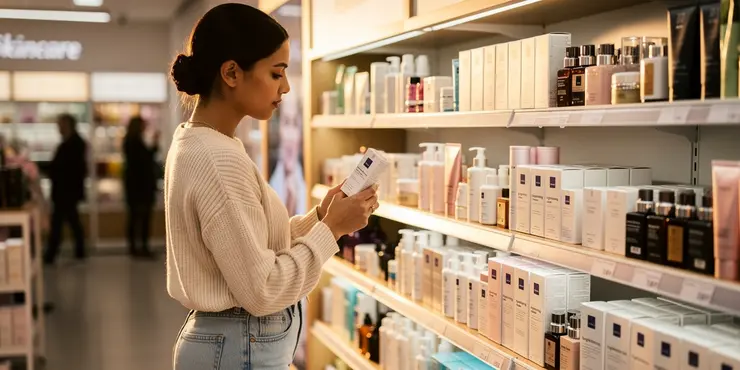
In the UK, these kits can often be found online and in beauty shops. However, consumers must be cautious and informed due to the potential risks involved.
Potential Risks and Concerns
The safety of skin lightening kits largely depends on their ingredients. Some kits may contain harmful substances such as hydroquinone or mercury. These ingredients can cause severe skin irritation and long-term health issues.
Regulatory bodies in the UK, like the Medicines and Healthcare products Regulatory Agency (MHRA), have banned certain substances in cosmetic products. It's crucial for consumers to check labels and ensure compliance with UK regulations.
Alternative Ingredients and Methods
Not all skin lightening kits contain harmful ingredients. Some rely on safer alternatives like vitamin C, kojic acid, or arbutin. These ingredients are generally considered safer for skin lightening.
Additionally, non-chemical methods such as using high SPF sunscreens or seeking professional treatments are effective for achieving an even skin tone. Always consult a dermatologist for personalized advice.
Advice for Consumers
Before purchasing any skin lightening product, thoroughly research the brand and its reviews. Look for products backed by scientific research and dermatological testing.
Patch-test new products to ensure there's no adverse reaction. If irritation occurs, discontinue use immediately and consult a healthcare professional.
Conclusion
Skin lightening kits can be useful for addressing pigmentation concerns but carry potential risks. Always prioritize safety by choosing products with safe, approved ingredients.
The key is informed decision-making and seeking advice from qualified professionals. Stay vigilant about the products you use on your skin to maintain overall health and safety.
What Are Skin Lightening Kits?
Skin lightening kits are things you put on your skin to make it look lighter. They can be creams or other products. People use them if they have spots or want their skin to look the same color everywhere.
In the UK, you can buy these kits online and in shops. But you need to be careful because some of them can be bad for your skin.
Things to Be Careful About
Some ingredients in skin lightening kits can be dangerous. Things like hydroquinone or mercury can hurt your skin and health.
In the UK, there's a group called the MHRA that says some ingredients can't be used. So, always check what's in the kit before you buy it.
Other Ingredients and Ideas
Not all skin lightening products are bad. Some have safer stuff like vitamin C or kojic acid. These are usually okay to use.
You can also use sunscreen with a high SPF or go to a skin doctor for help. This can help your skin look even without using chemicals.
What to Do Before Buying
Before you buy, read about the kit and what people say about it. Look for products that doctors say are okay.
Try a little bit of the product on your skin first to see if it causes any problems. If it makes your skin itch or hurt, stop using it and ask a doctor.
Conclusion
Skin lightening kits can help with spots but can be risky. Always choose safe products and check their ingredients.
The most important thing is making smart choices and asking doctors for advice. Be careful with what you put on your skin to keep it healthy.
Frequently Asked Questions
Skin lightening kits typically contain creams, lotions, or serums designed to reduce melanin in the skin, aiming to lighten the skin tone or address hyperpigmentation.
The safety of skin lightening kits depends on their ingredients. Some contain harmful substances like hydroquinone or mercury, while others use safer ingredients like licorice extract. It's important to consult a dermatologist before use.
Common ingredients include hydroquinone, kojic acid, arbutin, licorice extract, and vitamin C. Some of these can be harmful when used improperly.
Hydroquinone can be effective for skin lightening, but it may cause irritation and has been linked to potential health risks with long-term use. Some countries restrict its use.
Yes, potential side effects include skin irritation, redness, allergic reactions, and, with prolonged use of certain ingredients, more serious health risks.
Natural products may be safer as they often use ingredients like lemon extract or aloe vera, but natural does not always mean risk-free. It's important to patch test new products.
Consult with a dermatologist to ensure it's suitable for your skin type, and perform a patch test to check for allergic reactions.
Yes, prolonged use, especially of products with harmful substances, can lead to permanent skin damage such as thinning skin or ochronosis.
Yes, but it is dangerous and illegal in many countries due to its toxic effects. Always check labels and buy from reputable sources.
Look for products with dermatologist approval, avoid products with banned substances, and choose those with well-researched, safe ingredients.
Extended use of skin lightening products should be monitored by a dermatologist to avoid potential health risks and skin damage.
Yes, a healthy diet can influence skin health and pigmentation. Antioxidant-rich foods can support skin health.
Not all products are suitable for every skin type. People with sensitive skin, in particular, should be cautious and seek professional advice.
Effectiveness varies, but ingredients like vitamin C, niacinamide, and kojic acid are considered effective and generally safer options.
Yes, sun exposure can counteract the effects. It's recommended to use sunscreen daily to protect treated skin.
People use them for various reasons, including reducing hyperpigmentation, melasma, or uneven skin tone caused by sun damage or acne.
Results can vary widely depending on the product and skin type, but noticeable changes can take several weeks to months.
Yes, alternatives include professional treatments like chemical peels, laser therapy, or addressing lifestyle factors like sun protection and diet.
Yes, men can use these kits, but should also consult with a dermatologist to ensure safe and appropriate use for their skin type.
Yes, discontinue use immediately and consult a dermatologist if you experience irritation or adverse effects.
Skin lightening kits have things like creams, lotions, or serums. They help make the skin lighter by reducing melanin. This can help if you have dark spots.
Some skin lightening kits might not be safe. It depends on what is inside them. Some have bad things like hydroquinone or mercury, which can hurt you. Others have safer things like licorice extract.
It is important to talk to a skin doctor before using these kits.
Here are some tips to help:
- Ask a grown-up or someone you trust to read the labels with you.
- A skin doctor can help you choose safe products.
- Use simple apps to check if ingredients are safe.
These are things you often find in skin creams: hydroquinone, kojic acid, arbutin, licorice extract, and vitamin C. Some of these can be bad for you if you don't use them right.
Hydroquinone can help make skin lighter, but it might make your skin feel sore. Using it for a long time might not be safe. Some countries say you can't use it.
Yes, these products might cause problems like your skin feeling sore, getting red, or having an allergic reaction. If you use some ingredients for a long time, they could be more harmful to your health.
If you're worried, you can try talking to a doctor. They can help you understand more about it.
Things we get from nature, like lemon or aloe vera, might be safer for us to use. But just because something is natural doesn't mean it can't cause problems. It's a good idea to do a small test on your skin first with anything new.
Talk to a skin doctor to make sure it's safe for your skin. Test a small amount on your skin first to see if it causes any allergies.
Yes, using some products for a long time can hurt your skin. Some things in these products can make your skin thin or change color forever.
Yes, but it can be very dangerous and is against the law in many places because it is poisonous. Always read the labels carefully and buy from stores you trust.
Pick products that doctors who take care of skin say are good. Don't use products with bad stuff that is not allowed. Choose products with safe things that experts have studied.
If you use skin lightening creams for a long time, a skin doctor should check your skin. This way, you can stay safe and keep your skin healthy.
Yes, eating healthy foods can help your skin look good and healthy. Foods full of vitamins, like fruits and veggies, are good for your skin.
Not all products are good for every skin type. People with sensitive skin should be careful. It is best to ask a doctor or skin expert for help.
These things can help your skin:
- Vitamin C
- Niacinamide
- Kojic Acid
They often work well and are usually safe for most people.
Yes, spending time in the sun can make the effects go away. It is a good idea to put on sunscreen every day to keep your skin safe.
People use them for different reasons. They can help if your skin has dark spots, melasma, or different colors. This can happen from too much sun or pimples.
Results can be different for everyone. It depends on the product you use and your skin type. It may take a few weeks or months to see changes.
Yes! There are other ways to help. You can try treatments done by experts, like chemical peels and laser therapy. It's also important to protect yourself from the sun and eat healthy foods.
Yes, men can use these kits. It's a good idea for them to talk to a skin doctor first to make sure they use them safely and that they are right for their skin.
Here are some helpful ideas:
- Ask a family member or friend for help if you have questions.
- Look at pictures or watch videos to see how to use the kit.
- Write down any questions to ask the skin doctor.
Stop using it right away if it makes your skin hurt or feel bad. Talk to a skin doctor for help.

Ergsy Search Results
This website offers general information and is not a substitute for professional advice.
Always seek guidance from qualified professionals.
If you have any medical concerns or need urgent help, contact a healthcare professional or emergency services immediately.
Some of this content was generated with AI assistance. We've done our best to keep it accurate, helpful, and human-friendly.
- Ergsy carefully checks the information in the videos we provide here.
- Videos shown by Youtube after a video has completed, have NOT been reviewed by ERGSY.
- To view, click the arrow in centre of video.
- Most of the videos you find here will have subtitles and/or closed captions available.
- You may need to turn these on, and choose your preferred language.
- Go to the video you'd like to watch.
- If closed captions (CC) are available, settings will be visible on the bottom right of the video player.
- To turn on Captions, click settings.
- To turn off Captions, click settings again.