
Get Answers
Overview of Hay Fever
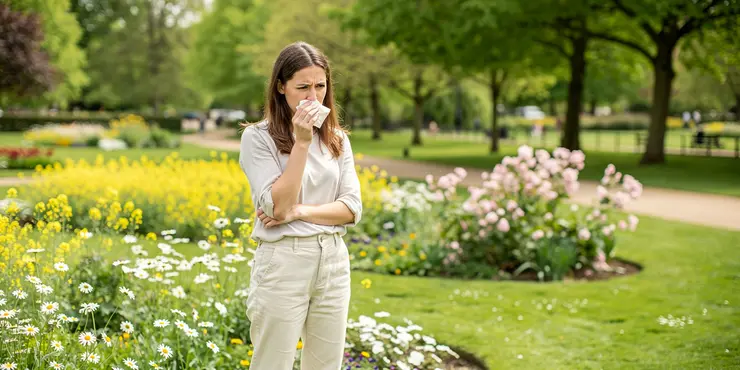
Hay fever, also known as allergic rhinitis, is a common allergic condition that affects a significant portion of the population, particularly during high pollen seasons like spring and summer. It is characterized by symptoms such as sneezing, a runny or blocked nose, itchy eyes, and throat. Understanding who might be more susceptible to hay fever can help in managing and mitigating its effects.
Genetic Factors
Genetic predisposition plays a significant role in determining an individual's susceptibility to hay fever. Studies suggest that if one or both parents suffer from allergies or hay fever, their children are more likely to be affected. This familial tendency towards allergies is indicative of the complex interplay between genetics and environmental factors. The immune system's response to allergens in genetically predisposed individuals tends to be exaggerated, leading to the classic symptoms of hay fever.
Environmental Influences
Environmental factors significantly influence the likelihood of developing hay fever. People living in urban areas with high levels of pollution may be more prone to hay fever due to the heightened exposure to pollutants that can exacerbate allergic reactions. Additionally, individuals who spend a lot of time outdoors during peak pollen seasons are at increased risk. Environmental changes such as prolonged exposure to certain allergens can increase the likelihood of developing hay fever over time.
Age and Lifestyle Factors
Age can play a role in hay fever susceptibility. It often starts in childhood or during the teenage years, with some individuals "outgrowing" the condition, while others may experience it for the first time as adults. Lifestyle choices, such as smoking, can aggravate or trigger hay fever symptoms, as tobacco smoke irritates the respiratory system. Maintaining a healthy lifestyle and avoiding smoking can reduce the likelihood of developing hay fever.
Impact of Climate Change
Climate change is having an increasing impact on the prevalence of hay fever. Warmer temperatures and increased levels of carbon dioxide are causing longer pollen seasons and higher pollen counts. People who were previously only mildly affected by hay fever may experience more severe symptoms, and those without prior symptoms might develop the condition. The changing climate is expected to continue influencing hay fever patterns in the UK, making it an area of concern for healthcare providers and individuals alike.
Conclusion
In conclusion, while hay fever affects many people, some are more prone to the condition due to genetic factors, environmental influences, age, lifestyle choices, and climate change. Understanding these elements can help individuals take proactive steps to manage their symptoms and reduce the impact of hay fever on their daily lives. In the UK, where pollen levels can vary greatly, awareness and preparation are key to coping with the challenges of hay fever.
Overview of Hay Fever
Hay fever is also called allergic rhinitis. It is a common condition caused by allergies. Many people have it, especially in spring and summer when pollen is high. People with hay fever sneeze a lot. They might have a runny or blocked nose. Their eyes and throat might be itchy. Some people are more likely to get hay fever. Knowing this can help manage its effects.
Genetic Factors
Genes from parents can make someone more likely to get hay fever. If a parent has allergies, their children might have them too. This shows how genes and the environment can affect us. People with certain genes might react more to things that cause allergies. This leads to hay fever symptoms like sneezing and itching.
Environmental Influences
The place where someone lives can affect if they get hay fever. People in cities with a lot of pollution might have more allergies. Pollution can make allergies worse. Also, if a person is outside a lot during pollen season, they can get hay fever. Changes in the environment can make hay fever more likely over time.
Age and Lifestyle Factors
Age can affect hay fever. It can start when someone is a child or teenager. Some people stop having it as they grow older, while others might get it for the first time as adults. Choices like smoking can make hay fever worse because smoke irritates the nose and throat. Staying healthy and not smoking can help lower the chance of getting hay fever.
Impact of Climate Change
Climate change affects hay fever. Warmer weather and more carbon dioxide cause more pollen. This makes pollen season longer. People with mild hay fever might find their symptoms getting worse. Some people might get hay fever when they did not have it before. In the UK, the changing climate affects hay fever, and it is a concern for doctors and individuals.
Conclusion
In conclusion, hay fever affects many people for different reasons: genes, environment, age, lifestyle, and climate change. Knowing these can help people manage their symptoms. In the UK, pollen levels change a lot, so being prepared is important. Using tools like air filters, wearing sunglasses, and checking pollen forecasts can help manage hay fever better.
Frequently Asked Questions
Hay fever, also known as allergic rhinitis, is an allergic reaction to pollen or other allergens such as dust mites and pet dander.
Yes, some people are genetically predisposed to hay fever due to a family history of allergies.
Common symptoms include sneezing, runny or blocked nose, itchy eyes, and throat irritation.
Yes, hay fever can run in families. If parents have allergies, their children are more likely to develop hay fever.
Hay fever can occur at any age but is most commonly diagnosed in children and young adults.
Yes, factors such as smoking, pollution exposure, or living in high-pollen areas can increase the risk of hay fever.
In hay fever, the immune system overreacts to harmless substances like pollen, treating them as threats.
While a specific diet doesn't cause hay fever, a balanced diet supporting the immune system may help manage symptoms.
Yes, individuals with asthma often have allergies, including hay fever, due to shared underlying immune system mechanisms.
Stress does not directly cause hay fever but can exacerbate symptoms by weakening the immune system.
Hay fever can be seasonal, triggered by specific pollens, or perennial, occurring year-round due to indoor allergens.
Yes, hay fever, asthma, and eczema are part of the 'atopic triad,' and individuals with one condition may be predisposed to the others.
Moving to a place with different pollen types can change the severity or type of hay fever symptoms experienced.
For some, indoor allergens like dust mites, mold, and pet dander are just as important and can cause perennial symptoms.
Yes, areas with longer pollen seasons or certain climates may have higher rates of hay fever.
Hay fever is diagnosed based on medical history, symptoms, and sometimes skin prick or blood tests for allergies.
Treatments include antihistamines, nasal sprays, decongestants, and avoiding known allergens.
Keeping windows closed, using air purifiers, and avoiding outdoor activities during high pollen counts can help.
Yes, symptoms can vary with age, and some people may outgrow their allergies, while others may worsen.
There is currently no cure for hay fever, but symptoms can be effectively managed with medication and lifestyle changes.
Hay fever is when your body has a bad reaction to things like pollen, dust, or pet fur.
Yes, some people have a higher chance of getting hay fever because their family members also have allergies.
Common signs are sneezing, a runny or stuffy nose, itchy eyes, and a sore throat.
Yes, hay fever can run in families. If parents get allergies, their children might get hay fever too.
Hay fever can happen to people of any age. It is found most often in kids and young adults.
Yes, things like smoking, being around pollution, or living where there is a lot of pollen can make hay fever worse.
Here are some things that might help:
- Avoid places with lots of smoke or pollution.
- Stay indoors when pollen levels are high.
- Wear a mask outside if you need to.
- Try using special medicines for hay fever.
Hay fever happens when your body's defense system gets confused. It thinks that things like pollen, which are not dangerous, are bad for you.
Eating certain foods doesn't make you get hay fever. But eating healthy foods can help your body feel better and fight hay fever symptoms.
Yes, people with asthma often have allergies too. This can include hay fever. This happens because of how their bodies fight germs.
Stress does not make hay fever happen, but it can make the symptoms worse because it makes the body's defenses weaker.
Hay fever can happen in different ways. Sometimes it happens in certain seasons because of pollen from plants. Other times, it can happen all year because of things inside like dust.
Yes, hay fever, asthma, and eczema are like a trio of conditions called the 'atopic triad.' If you have one, you might get the others too.
When you move to a new place, the pollen can be different. This can change how bad your hay fever is or what kind of hay fever you have.
Indoor things like dust mites, mold, and pet fur can cause allergies all year round for some people.
Yes, places with long pollen seasons or special weather might have more hay fever.
Doctors can tell if you have hay fever by asking about your health and how you feel. They might also do tests on your skin or blood to check for allergies.
Here are ways to feel better:
- Take medicine called antihistamines to help with sneezing and itching.
- Use nasal sprays to help clear your nose.
- Try decongestants to help you breathe easier.
- Stay away from things that make you sneeze or itch, like dust or pollen.
Shut the windows in your house. Use a machine called an air purifier to clean the air. Avoid going outside when there is a lot of pollen in the air. These things can help you feel better.
Yes, allergy symptoms can change as you get older. Some people stop having allergies, but others might find their allergies get worse.
Hay fever can't be completely fixed, but you can feel better with medicine and by changing some things you do every day.

Ergsy Search Results
This website offers general information and is not a substitute for professional advice.
Always seek guidance from qualified professionals.
If you have any medical concerns or need urgent help, contact a healthcare professional or emergency services immediately.
Some of this content was generated with AI assistance. We've done our best to keep it accurate, helpful, and human-friendly.
- Ergsy carefully checks the information in the videos we provide here.
- Videos shown by Youtube after a video has completed, have NOT been reviewed by ERGSY.
- To view, click the arrow in centre of video.
- Most of the videos you find here will have subtitles and/or closed captions available.
- You may need to turn these on, and choose your preferred language.
- Go to the video you'd like to watch.
- If closed captions (CC) are available, settings will be visible on the bottom right of the video player.
- To turn on Captions, click settings.
- To turn off Captions, click settings again.