
Find Help
More Items From Ergsy search
-
Can a womb lining test detect cancer?
Relevance: 100%
-
Can a womb lining test detect cancer?
Relevance: 83%
-
Endometrial Cancer
Relevance: 83%
-

Endometrial Cancer
Relevance: 81%
-
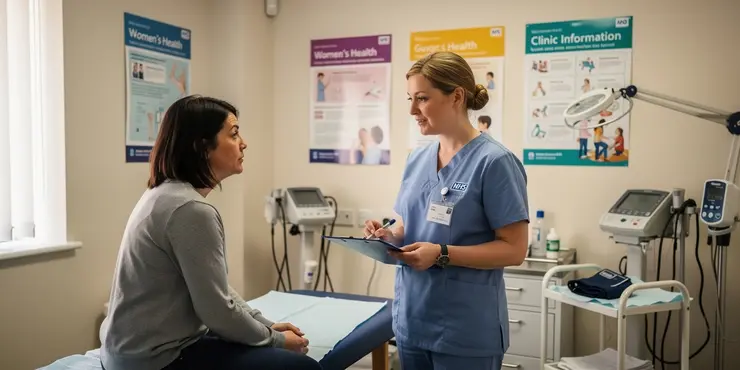
What is the womb lining test?
Relevance: 78%
-
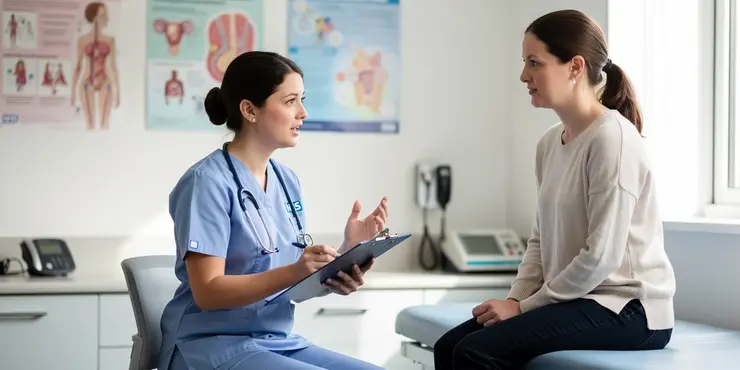
Why is a womb lining test performed?
Relevance: 77%
-
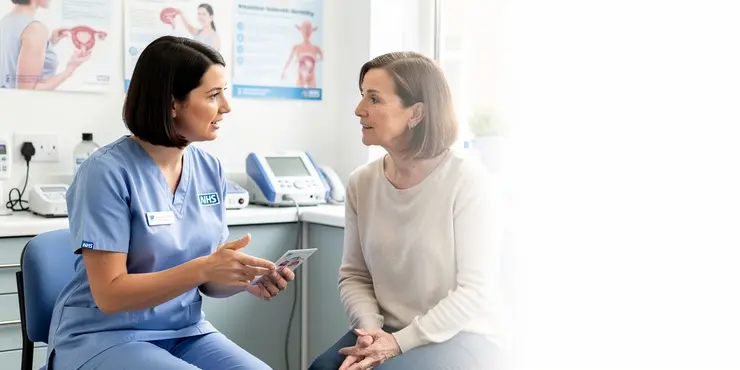
Are there risks associated with a womb lining test?
Relevance: 77%
-
Why might someone need a womb lining test?
Relevance: 77%
-
Endometrial Cancer
Relevance: 76%
-
What is the Womb Lining test?
Relevance: 76%

-
Is the womb lining test covered by the NHS?
Relevance: 76%
-
Is the womb lining test covered by the NHS?
Relevance: 75%
-
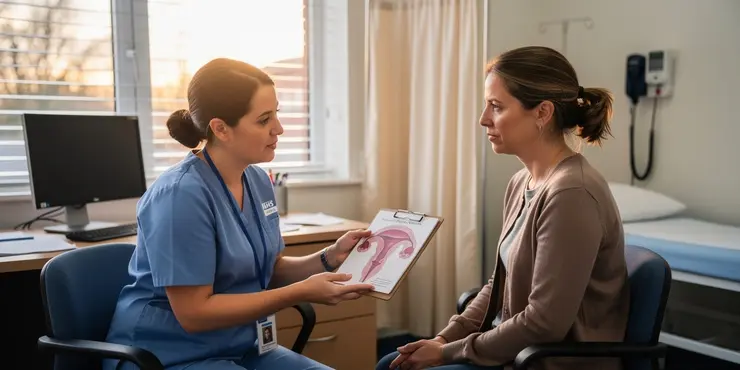
How is the womb lining test performed?
Relevance: 74%
-
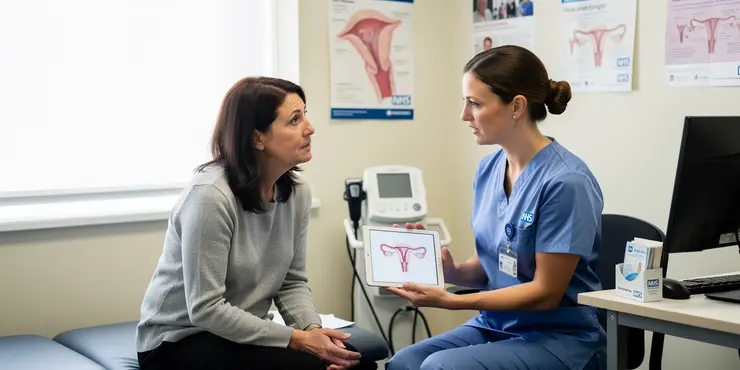
Are there any risks associated with the womb lining test?
Relevance: 73%
-
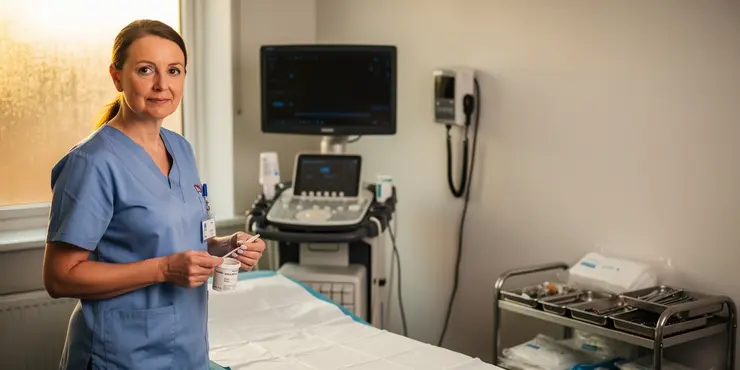
How is a womb lining test conducted?
Relevance: 72%
-
Is there any follow-up required after a womb lining test?
Relevance: 67%
-
What happens after a womb lining test?
Relevance: 67%
-
How should I prepare for a womb lining test?
Relevance: 66%
-
Is a womb lining test painful?
Relevance: 65%
-
Is the womb lining test painful?
Relevance: 64%
-
How long does it take to get results from a womb lining test?
Relevance: 63%
-
Does the womb lining test require any special preparation?
Relevance: 62%
-
How long does it take to get results from a womb lining test?
Relevance: 51%
-
Can I drive after the womb lining test?
Relevance: 49%
-

What are the risks of prostate screening?
Relevance: 40%
-
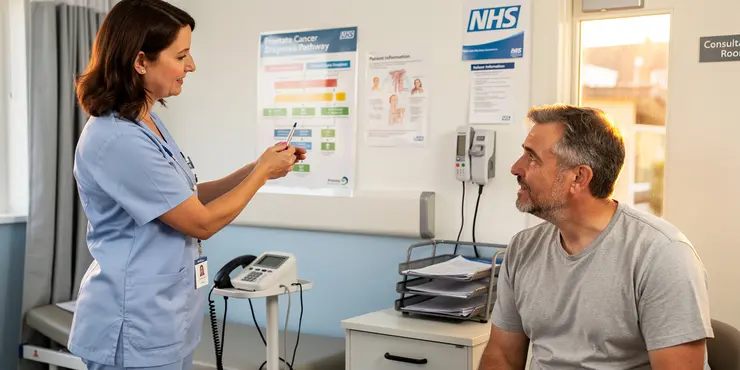
Prostate cancer diagnosis and tests
Relevance: 39%
-
Is genetic screening available for cancer risk?
Relevance: 34%
-
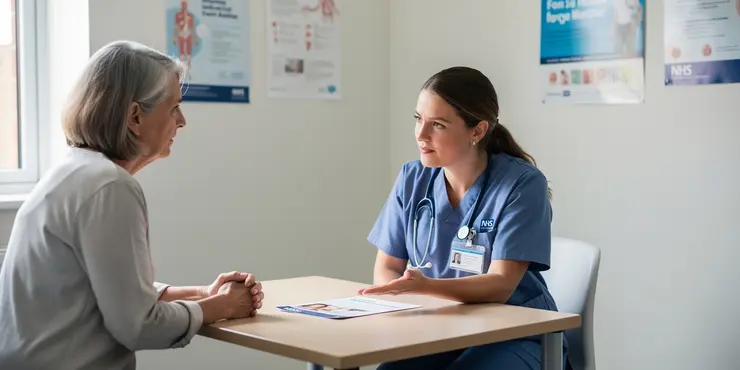
Post Menopausal Bleeding Clinic | A Guide to What Happens at An Appointment
Relevance: 34%
-

Are there risks associated with home colorectal cancer tests?
Relevance: 33%
-

What is cancer screening?
Relevance: 32%
-
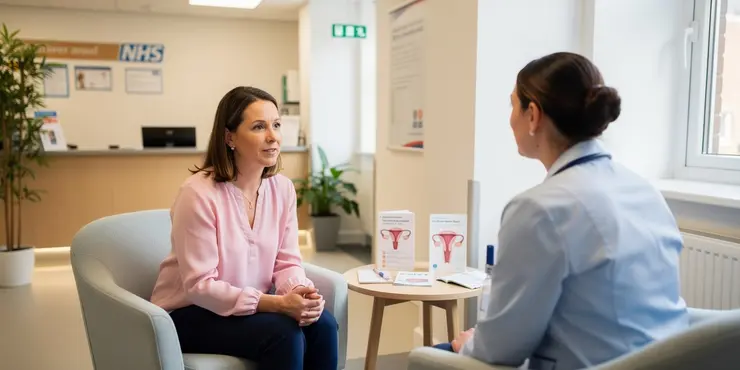
NHSGGC - Cervical Cancer Screening - English
Relevance: 31%
-
Are there alternatives to traditional prostate screening?
Relevance: 31%
-

What happens if my prostate screening is abnormal?
Relevance: 31%
-
How is bowel cancer diagnosed?
Relevance: 30%
-
What kinds of cancer screening are available?
Relevance: 30%
-
Taking a Genetic Family History - The Conversation (Bowel Cancer)
Relevance: 29%
-
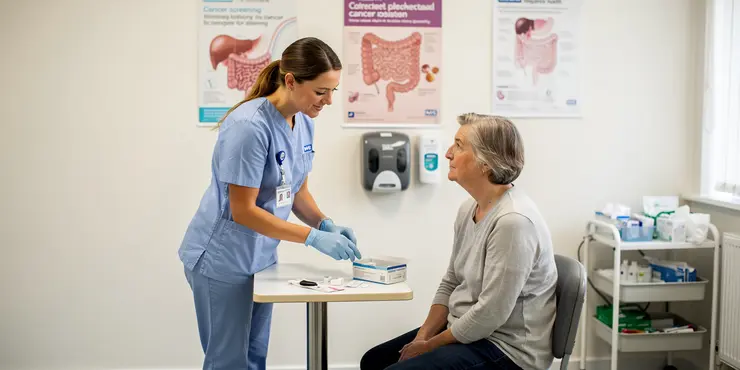
Can home colorectal cancer tests replace a colonoscopy?
Relevance: 29%
-
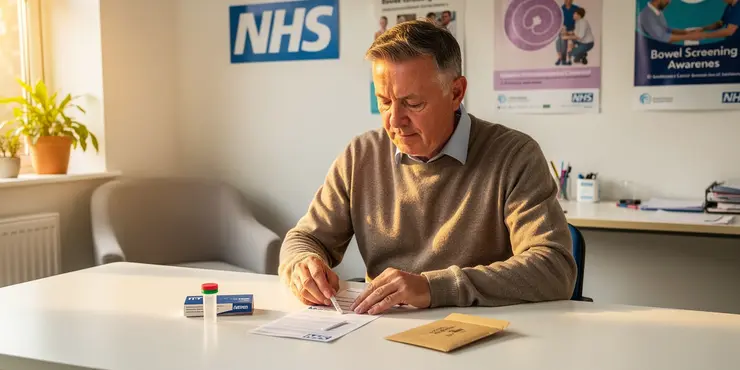
What are the recommendations for colorectal cancer screening?
Relevance: 29%
-
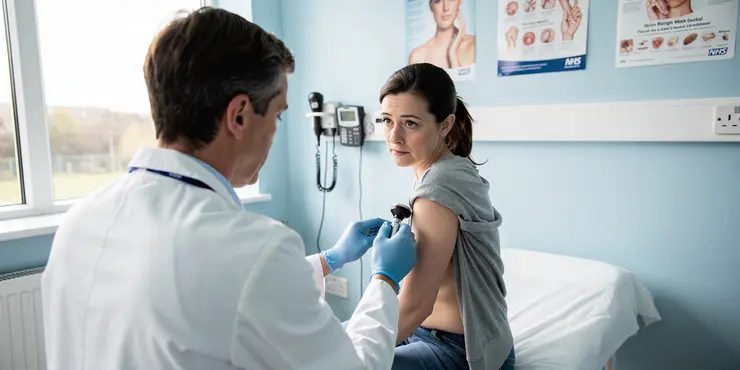
What is a skin cancer screening?
Relevance: 29%
-

What is prostate screening?
Relevance: 29%
Understanding the Risks Associated with Womb Lining Tests
Introduction to Womb Lining Tests
A womb lining test, also known as an endometrial biopsy, is a medical procedure used to take a small sample of the tissue from the lining of the uterus, or endometrium, for examination. This test helps diagnose conditions like abnormal uterine bleeding, infertility issues, and uterine infections. While the procedure is generally safe, it's essential for individuals in the UK to understand potential risks and side effects.Common Risks and Side Effects
Although an endometrial biopsy is minimally invasive, there are some common risks associated with the procedure. Patients may experience cramping or discomfort similar to menstrual cramps during and after the biopsy. Light vaginal bleeding or spotting is also common for a few days following the procedure. These symptoms are generally mild and temporary, resolving without medical intervention.Less Common Risks
In rare cases, more serious complications can occur. These may include infection, which is often indicated by fever, severe pelvic pain, or heavy bleeding post-procedure. Additionally, there's a minimal risk of uterine perforation, where the biopsy instrument accidentally punctures the uterine wall. This risk is extremely low, especially when the procedure is performed by experienced healthcare providers.Managing Risks
To manage and mitigate these risks, it is crucial to follow pre- and post-procedure instructions provided by healthcare professionals. Prior to the biopsy, patients should discuss any medications they are taking and disclose any history of bleeding disorders. After the procedure, rest and avoiding strenuous activities can aid in recovery. Patients should immediately contact their healthcare provider if they experience any signs of infection or unusual symptoms.Conclusion
While there are some risks associated with the womb lining test, they are generally low and manageable. It remains an essential diagnostic tool for women experiencing various reproductive health issues. Open communication with healthcare providers and understanding the potential risks can help reassure and prepare individuals undergoing the procedure in the UK.Understanding the Risks Associated with Womb Lining Tests
Introduction to Womb Lining Tests
A womb lining test is also called an endometrial biopsy. This is a medical test where doctors take a tiny piece of the womb's lining. The womb lining is called the endometrium. Doctors look at this sample to check for problems like unusual bleeding, trouble getting pregnant, or infections in the womb. The test is usually safe, but it is important for people in the UK to know about some risks and side effects.Common Risks and Side Effects
The womb lining test does not involve cutting the body, but some people might feel cramps like period pains during and after the test. It's normal to have a little bleeding or spotting for a few days after the test. These signs are usually mild and go away on their own.Less Common Risks
Sometimes, more serious problems can happen, but they are rare. These problems might include an infection, which can make you feel feverish, have strong belly pain, or bleed a lot after the test. There's also a tiny chance the tool used for the test could poke through the womb wall by mistake. This happens very rarely, especially if an expert doctor does the test.Managing Risks
To stay safe, you should follow the doctor's advice before and after the test. Before the test, tell the doctor about any medicine you take and if you have any bleeding problems. After the test, rest and avoid heavy activities to help your body heal. If you feel very sick or have unusual signs, call your doctor right away.Conclusion
Even though there can be risks with the womb lining test, they are mostly small and can be managed. The test is very important for finding out what's causing certain health problems in women. Talking openly with your doctor and understanding the risks can help you feel ready and less worried about the test in the UK.Frequently Asked Questions
What is a womb lining test?
A womb lining test, also known as an endometrial biopsy, is a medical procedure to sample and examine the lining of the uterus to check for abnormalities.
Are there any risks associated with a womb lining test?
Yes, as with any medical procedure, there are risks. These may include discomfort, cramping, bleeding, infection, or, in rare cases, injury to the uterus.
How common are complications from a womb lining test?
Complications from a womb lining test are rare, and most women experience only mild cramping and spotting.
Can a womb lining test affect my fertility?
A womb lining test is generally safe and should not affect your fertility. However, it is always best to discuss any concerns with your doctor.
What should I do if I experience heavy bleeding after the test?
If you experience heavy bleeding or severe pain after the test, contact your healthcare provider immediately.
Is there a risk of infection after the procedure?
There is a small risk of infection following a womb lining test. Signs of infection can include fever and unusual discharge.
Will I feel pain during the womb lining test?
Some women experience cramping similar to menstrual cramps during the procedure, but the discomfort is typically brief.
Can I go back to work after having a womb lining test?
Most women can return to their normal activities, including work, shortly after a womb lining test.
How should I prepare for a womb lining test?
Your doctor will give you specific instructions, which may include taking a pain reliever beforehand and avoiding tampons and intercourse 24 hours prior.
Are there any alternatives to a womb lining test?
Depending on the reason for the test, alternatives may include imaging tests or waiting to see if symptoms resolve. Your doctor will discuss the best options for you.
How long does it take to recover from a womb lining test?
Recovery is usually quick, with minor discomfort lasting a day or so. You may experience mild spotting for a few days.
What are the signs that something might have gone wrong after the test?
Seek medical attention if you have heavy bleeding, severe pain, fever, or unusual discharge.
Can the test results be inaccurate?
While the test is generally accurate, some factors could affect the results. Discuss any concerns about accuracy with your doctor.
Is anaesthesia required for a womb lining test?
Anaesthesia is not typically required, but your doctor may suggest a mild sedative or pain relief if you're particularly anxious or sensitive.
What should I do if I feel anxious about the procedure?
Discuss your concerns with your healthcare provider. They can provide reassurance and answer any questions you have about the procedure.
What is a womb lining test?
A womb lining test checks the inside of a woman's womb. It helps doctors see if everything is okay. The doctor takes a tiny piece from the womb to look at it closely.
If you are taking the test, it's good to talk to your doctor. Ask questions if you're unsure about anything. You might also bring a friend or family member with you for support.
It can help to write down questions before you go to your appointment. This way, you remember what to ask the doctor.
A womb lining test is a medical check-up. Doctors take a tiny piece from the inside of the womb. They look at it to see if everything is okay.
Are there any dangers with a womb lining test?
A womb lining test checks inside a woman's tummy area.
Sometimes, it might cause a little pain or bleeding. It's important to tell a doctor if you feel worried.
Relaxing and taking deep breaths can help. You can also take a friend with you for support.
Yes, there can be some risks with medical treatments. You might feel a bit uncomfortable, have cramps, bleed, get an infection, or very rarely, there might be a problem with the inside of your tummy.
To help understand this, you can:
- Ask your doctor to explain things clearly.
- Use easy-to-read books or websites.
- Talk to a family member or friend about your worries.
How often do problems happen after a womb lining test?
Problems from a womb lining test do not happen often. Most women only feel a little bit of cramping and see some light bleeding.
Can a test on the womb lining change how easy it is to have a baby?
A womb lining test is safe. It should not stop you from having babies. But, it is good to talk with your doctor if you are worried.
What do I do if I bleed a lot after the test?
If you bleed a lot after your test:
- Tell an adult who can help.
- Call or visit your doctor as soon as you can.
- Use a phone to call emergency services if needed.
Here are some things that can help:
- Have someone sit with you and keep you calm.
- Use tissues or a cloth to press on the bleeding area.
- Keep your phone handy in case you need to call for help.
Remember, it's okay to ask for help!
If you have a lot of bleeding or very bad pain after the test, call your doctor right away.
Can you get an infection after the procedure?
After a womb lining test, there is a small chance you could get an infection. If you have a fever or see strange stuff coming out, tell a doctor.
Will the test hurt?
Some women feel cramps, like period pains, during the procedure. But it usually doesn't last long.
Can I work after having a womb lining test?
Did you have a womb lining test? You might wonder if you can go back to work. Here is some help:
Simple answer: Yes, you can usually go back to work the same day.
Tips to help you:
- Rest: If you feel tired, take a short break.
- Ask the doctor: They can tell you more about what to do after the test.
- Use a planner: Write down how you feel and if you have any pain. This can help you remember and talk about it with your doctor if needed.
Most women can go back to their usual activities, like work, soon after a womb lining test.
How do I get ready for a womb lining test?
Your doctor will tell you exactly what to do. They might say to take some medicine to help with pain before the appointment. They might also say not to use tampons or have sex for one whole day before.
Are there other ways to check the womb lining?
If you need a test, there might be other choices. You could have a picture taken of the inside of your body. Or you could wait to see if you feel better later. Your doctor will talk with you about what is best for you.
How long to feel better after a womb lining test?
A womb lining test checks the inside of your womb. It might feel a bit uncomfortable. Ask a doctor or nurse if you have questions. They can help you.
Most people feel better in a day. You might need more time. Tell an adult if you feel any pain.
Here are some things that might help you:
- Ask a friend or family member to be with you.
- Rest at home.
- Take medicine if a doctor says it's okay.
Getting better is fast. You might feel a little sore for a day. You could see a little blood for a few days.
How can you tell if something went wrong after the test?
You might want to know if something's not right after your test.
Look for signs like:
- Pain that doesn't go away
- Red or swollen area
- Feeling very sick
If you notice these, tell a doctor or nurse.
Asking an adult to help you can be useful too.
See a doctor if you have a lot of bleeding, very bad pain, a high temperature, or strange fluid coming out.
Can the test results be wrong?
The test usually works well, but sometimes things can make the results wrong. Talk to your doctor if you are worried about this.
Do you need medicine to make you sleep for a womb lining test?
When doctors look at the inside of your womb, they do a test. Sometimes this test is called a womb lining test.
You might be wondering if you need medicine to make you sleep or not feel anything during this test. This medicine is called anaesthesia.
It's a good idea to ask your doctor if you will need this medicine for your test. Everyone is different, and your doctor can tell you what is best for you.
If you feel worried, you can talk to your doctor or nurse. They can help you feel better and tell you what will happen during the test.
You don’t usually need to be put to sleep for this, but your doctor might give you medicine to help you feel calm or to stop pain if you feel worried or hurt easily.
What can I do if I feel worried about the procedure?
If you feel scared or nervous, here are some things you can do:
- Take deep breaths to help you relax.
- Talk to someone you trust, like a friend or family member.
- Ask the doctor to tell you what will happen step by step.
- Bring a favorite toy or book to help you feel calm.
- Listen to music or a story you like.
It's okay to feel worried. Tell someone how you feel so they can help you.
Talk to your doctor if you are worried. They can help you feel better and answer your questions about what will happen.

Useful Links
This website offers general information and is not a substitute for professional advice.
Always seek guidance from qualified professionals.
If you have any medical concerns or need urgent help, contact a healthcare professional or emergency services immediately.
Some of this content was generated with AI assistance. We’ve done our best to keep it accurate, helpful, and human-friendly.
- Ergsy carfully checks the information in the videos we provide here.
- Videos shown by Youtube after a video has completed, have NOT been reviewed by ERGSY.
- To view, click the arrow in centre of video.
- Most of the videos you find here will have subtitles and/or closed captions available.
- You may need to turn these on, and choose your preferred language.
- Go to the video you'd like to watch.
- If closed captions (CC) are available, settings will be visible on the bottom right of the video player.
- To turn on Captions, click settings .
- To turn off Captions, click settings again.
More Items From Ergsy search
-
Can a womb lining test detect cancer?
Relevance: 100%
-
Can a womb lining test detect cancer?
Relevance: 83%
-
Endometrial Cancer
Relevance: 83%
-
Endometrial Cancer
Relevance: 81%
-
What is the womb lining test?
Relevance: 78%
-
Why is a womb lining test performed?
Relevance: 77%
-
Are there risks associated with a womb lining test?
Relevance: 77%
-
Why might someone need a womb lining test?
Relevance: 77%
-
Endometrial Cancer
Relevance: 76%
-
What is the Womb Lining test?
Relevance: 76%
-
Is the womb lining test covered by the NHS?
Relevance: 76%
-
Is the womb lining test covered by the NHS?
Relevance: 75%
-
How is the womb lining test performed?
Relevance: 74%
-
Are there any risks associated with the womb lining test?
Relevance: 73%
-
How is a womb lining test conducted?
Relevance: 72%
-
Is there any follow-up required after a womb lining test?
Relevance: 67%
-
What happens after a womb lining test?
Relevance: 67%
-
How should I prepare for a womb lining test?
Relevance: 66%
-
Is a womb lining test painful?
Relevance: 65%
-
Is the womb lining test painful?
Relevance: 64%
-
How long does it take to get results from a womb lining test?
Relevance: 63%
-
Does the womb lining test require any special preparation?
Relevance: 62%
-
How long does it take to get results from a womb lining test?
Relevance: 51%
-
Can I drive after the womb lining test?
Relevance: 49%
-
What are the risks of prostate screening?
Relevance: 40%
-
Prostate cancer diagnosis and tests
Relevance: 39%
-
Is genetic screening available for cancer risk?
Relevance: 34%
-
Post Menopausal Bleeding Clinic | A Guide to What Happens at An Appointment
Relevance: 34%
-
Are there risks associated with home colorectal cancer tests?
Relevance: 33%
-
What is cancer screening?
Relevance: 32%
-
NHSGGC - Cervical Cancer Screening - English
Relevance: 31%
-
Are there alternatives to traditional prostate screening?
Relevance: 31%
-
What happens if my prostate screening is abnormal?
Relevance: 31%
-
How is bowel cancer diagnosed?
Relevance: 30%
-
What kinds of cancer screening are available?
Relevance: 30%
-
Taking a Genetic Family History - The Conversation (Bowel Cancer)
Relevance: 29%
-
Can home colorectal cancer tests replace a colonoscopy?
Relevance: 29%
-
What are the recommendations for colorectal cancer screening?
Relevance: 29%
-
What is a skin cancer screening?
Relevance: 29%
-
What is prostate screening?
Relevance: 29%