
Get Answers
Introduction
Traveling from the UK to European countries such as France or Spain by car is a popular choice for many UK residents. It allows for flexibility and the opportunity to explore scenic routes. However, with changes in political landscapes, particularly the UK’s exit from the European Union (Brexit), it's essential to understand the current border control regulations for UK travelers entering France or Spain by car.
Border Checks When Entering France
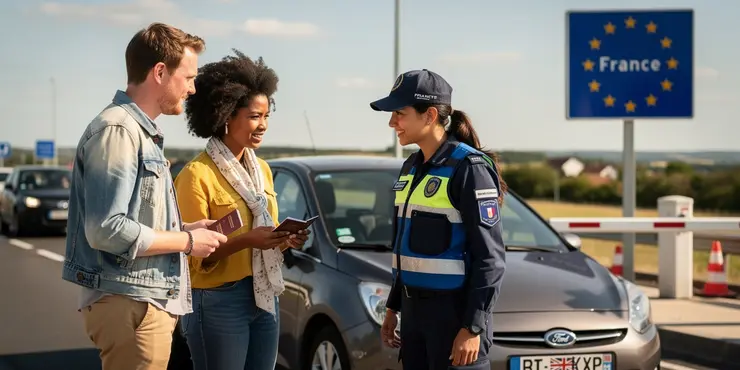
When UK travelers enter France by car, they will encounter border checks. These checks are in place primarily for passport control. Post-Brexit, the UK is no longer part of the EU, and therefore, border checks have become a standard requirement. Travelers need to present a valid passport; the UK nationals can visit France for short stays of up to 90 days within a 180-day period without a visa. However, for longer stays or other purposes of visit, additional documentation and a possible visa may be required.
Customs checks may also occur, particularly concerning goods brought into the country. Travelers are advised to familiarize themselves with the limits and allowances for items such as alcohol, tobacco, and other products to avoid fines or confiscation of goods.
Border Checks When Entering Spain
Similar to entering France, UK travelers driving into Spain will encounter border checks. A valid passport is required, and the same rule applies regarding the duration of stay: UK citizens can visit Spain without a visa for up to 90 days within any 180-day period. As Spain is part of the Schengen Area, the border controls will involve verifying that entry requirements are met, such as passport validity and purpose of visit. Travelers must ensure their passports are stamped upon entering and leaving to avoid overstaying and potential future travel complications.
Customs checks at the Spanish border may cover the same categories of items as in France. Travelers are encouraged to check the specific customs and import regulations to adhere to Spanish law.
Tips for a Smooth Border Crossing
For a trouble-free border crossing experience, travelers should ensure that their passports are valid for at least six months beyond their planned stay. Having travel insurance and proof of return or onward travel can also be beneficial in case of inquiries at the border. Being prepared for potential vehicle checks, carrying relevant car insurance documentation, and understanding the road laws of the destination country can contribute to a smoother transition.
As rules and regulations might change, particularly in the event of new agreements or political changes, staying informed about the latest travel advisories from official government websites before travel is prudent.
Introduction
Many people from the UK like to drive to France or Spain. This means they can stop where they want and see beautiful places. But because the UK has left the EU (called Brexit), there are new rules for traveling by car to these countries. It’s important to know these new rules before you go.
Border Checks When Entering France
When you drive from the UK to France, you must go through border checks. Border checks are where you show your passport. Now that the UK is not in the EU, every traveler needs to show a valid passport. You can visit France for short times, up to 90 days in any 180 days, without a visa. If you want to stay longer or visit for a special reason, you might need more papers or a visa.
You might also go through customs checks. Customs checks are to see what items you bring into France. Be sure to know how much alcohol, tobacco, and other things you can bring so you don’t have to pay a fine or have things taken away.
Border Checks When Entering Spain
Just like France, when you go to Spain from the UK, you will have border checks. You need to have a valid passport. The rule is the same: you can visit Spain for up to 90 days within 180 days without needing a visa. Spain is in the Schengen Area, so they check your passport and why you are visiting. Make sure your passport is stamped when you enter and leave. This helps you avoid staying too long which can cause problems later.
There are customs checks at the Spanish border, too. These are like the ones in France. Check the rules about what you can bring into Spain so you don’t break the law.
Tips for a Smooth Border Crossing
Here are some tips for easy border crossing: Make sure your passport is valid for at least six more months. Travel insurance and proof of return travel can help. Be ready for car checks and have your car insurance papers. Know the road laws in the country you are visiting.
Things can change, so check the latest travel advice from government websites before you leave. This keeps you up-to-date with any new rules.
Frequently Asked Questions
Yes, UK travelers are subject to border checks when entering France by car.
Yes, UK travelers will undergo border checks when entering Spain by car.
UK travelers need a valid passport and possibly proof of onward travel and accommodation when entering France.
UK travelers need to present a valid passport and may need to show proof of accommodations and sufficient funds.
Yes, since Brexit, UK travelers face more stringent border checks in EU countries like France and Spain.
Availability of e-gates can vary, and UK travelers should be prepared for manual checks.
The duration of border checks can vary from a few minutes to longer during busy periods.
At some major crossings, there may be lanes designated for non-EU travelers, but not specifically for UK citizens.
UK travelers will be checked for valid passports and potentially documentation like insurance and proof of travel upon entry to Spain.
No visa is needed for short stays up to 90 days within a 180-day period in France or Spain for UK travelers.
Yes, UK travelers are now subject to third-country national rules, which include more thorough checks at the border.
They should seek assistance from border authorities, and if necessary, contact the UK consulate or embassy.
Yes, if they do not meet entry requirements, such as having a valid passport or necessary travel documentation, they could be denied entry.
Travelers should check the latest COVID-19 guidelines as they can frequently change according to public health situations.
UK travelers must have a valid pet passport or animal health certificate, and meet health requirements such as vaccinations.
Travel insurance is recommended, and UK drivers should ensure their car insurance covers driving in Spain.
Border checks are typically busier during holidays and weekends when travel volumes are higher.
Travelers may need to declare goods they are bringing in and adhere to limits on duty-free allowances.
Yes, depending on their travel history and the discretion of border officials, more detailed questioning may occur.
Travelers should ensure all travel documents are valid, check any additional entry requirements, and stay updated on travel advisories.
Yes, when people from the UK drive into France, they have to stop for border checks.
Yes, people from the UK will have their passports checked when they drive into Spain.
When you go from the UK to France, you need to have a passport. You might also need to show where you are staying and the ticket for the next part of your trip.
If you are traveling from the UK, you need to have a passport. You might also need to show where you will be staying and that you have enough money for your trip.
Here are some tips to help:
- Make a checklist to remember what to bring.
- Use apps that help you plan your trip.
- Ask someone to help you check your documents.
Yes, after Brexit, people from the UK have to go through more border checks when they visit countries in the EU, such as France and Spain.
Sometimes e-gates might not work, so people from the UK should be ready to have their passports checked by a person.
When you go through border checks, it can take a short time, like a few minutes. But if it's very busy, it might take longer.
At big border crossings, there are sometimes special lanes for people who are not from the EU. But, these lanes are not just for people from the UK.
When people from the UK travel to Spain, they need to show their passport. They might also need to show papers like travel insurance and proof of travel plans.
Tools like picture dictionaries or apps can help understand travel terms better. It's also useful to have a checklist of what to bring when traveling.
If you are traveling from the UK to France or Spain, you don't need a visa for a short trip. You can stay for up to 90 days in a 180-day period without a visa.
Yes, people from the UK now have different rules when they travel. These rules mean there are more checks at the border.
They should ask for help from the border officers. If they need more help, they can get in touch with the UK consulate or embassy.
Yes, if they don't have what they need to enter, like a passport or travel papers, they might not be allowed in.
Travelers should look at the newest COVID-19 rules. The rules can change a lot because of health situations.
If you want to travel with your pet in the UK, you need a pet passport or an animal health paper. Your pet also needs to have some important vaccines (or shots) to keep them healthy.
It’s a good idea to get travel insurance. If you drive from the UK to Spain, check that your car insurance lets you drive in Spain.
Border checks are usually busier during holidays and weekends because more people are traveling.
When you travel, you might have to tell airport staff about the things you are bringing with you. There are rules on how much you can bring without paying extra money.
Yes, if someone has visited certain places, border officials might ask more questions.
People who are going on a trip should make sure their travel papers are up to date. They should also see if they need anything extra to enter the country. It's good to keep up with the latest travel news.

Ergsy Search Results
This website offers general information and is not a substitute for professional advice.
Always seek guidance from qualified professionals.
If you have any medical concerns or need urgent help, contact a healthcare professional or emergency services immediately.
Some of this content was generated with AI assistance. We've done our best to keep it accurate, helpful, and human-friendly.
- Ergsy carefully checks the information in the videos we provide here.
- Videos shown by Youtube after a video has completed, have NOT been reviewed by ERGSY.
- To view, click the arrow in centre of video.
- Most of the videos you find here will have subtitles and/or closed captions available.
- You may need to turn these on, and choose your preferred language.
- Go to the video you'd like to watch.
- If closed captions (CC) are available, settings will be visible on the bottom right of the video player.
- To turn on Captions, click settings.
- To turn off Captions, click settings again.