
Get Answers
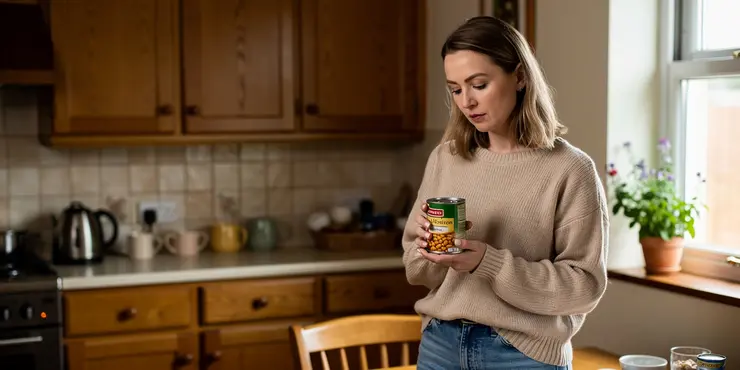
Are tinned foods a good low-cost protein source?
Yes, tinned foods can be an excellent low-cost source of protein for UK households. They are often cheaper than fresh meat or fish, have a long shelf life, and reduce food waste because you can keep them in the cupboard for months.
For people trying to stretch a weekly food budget, tins of beans, lentils, chickpeas, tuna, sardines and salmon can be very useful. They are also convenient, since they are ready to use straight away or can be added quickly to simple meals.
Which tinned foods offer the most protein?
Tinned fish is one of the richest protein options, especially tuna, salmon and sardines. These can be used in sandwiches, jacket potatoes, pasta dishes and salads without much preparation.
Tinned beans and pulses are also strong choices. Kidney beans, butter beans, chickpeas, lentils and baked beans provide protein, plus fibre, which helps keep you fuller for longer.
Meat-based tins, such as corned beef or tinned chicken, can contain protein too, but they are often more expensive and may be higher in salt or fat. For best value, many shoppers find beans and fish give the best balance of cost, nutrition and versatility.
Why tinned protein can be good value
Tinned foods are usually sold in fairly stable price ranges, so they can help with meal planning. Supermarket own-brand tins are often especially affordable, and multi-buy deals can make them even cheaper.
Because tins last a long time, you can buy them when they are on offer and keep them for later. That makes them a practical backup when money is tight or when fresh ingredients run out.
They also reduce waste. Unlike fresh meat or fish, which must be used quickly, tinned foods are less likely to be thrown away if plans change.
Things to check when choosing tins
Not every tinned protein food is equally healthy. Some products, especially baked beans, soups and meat tins, can be high in salt, sugar or saturated fat, so it is worth comparing labels.
Look for options in water, spring water or tomato sauce rather than heavy oils or salty brine, if possible. Draining and rinsing beans can also help reduce salt content.
If you eat fish, choose varieties that fit your diet and budget. Sardines and mackerel can be cheaper than tuna and still provide plenty of protein, along with useful omega-3 fats.
How to use tinned foods in everyday meals
Tinned protein foods are easy to turn into filling meals. You can add beans to chilli, curry or pasta sauce, mix tuna with sweetcorn and mayo, or make a quick soup with lentils and vegetables.
They also work well with low-cost staples such as rice, pasta, potatoes and bread. Combining protein tins with these foods can create balanced meals without spending much.
For UK shoppers looking for affordable protein, tinned foods are a practical and reliable option. They are not the only choice, but they are often one of the easiest ways to eat well on a budget.
Frequently Asked Questions
Tinned foods low-cost protein sources UK are shelf-stable canned foods that provide protein at a low price, such as beans, lentils, chickpeas, fish, and some meat products. They are useful because they are affordable, convenient, long-lasting, and easy to store.
Some of the best-value tinned foods low-cost protein sources UK include baked beans, chickpeas, lentils, kidney beans, tuna, sardines, mackerel, and corned beef. The cheapest option often depends on brand, tin size, and store promotions.
Protein content varies by product, but many tinned foods low-cost protein sources UK provide around 5 to 25 grams of protein per serving. Tinned fish and meat products usually contain more protein per serving than tinned beans or lentils.
Yes, many tinned foods low-cost protein sources UK can be part of a healthy diet, especially beans, lentils, chickpeas, and oily fish. It is best to check salt, sugar, and fat levels, and to pair them with vegetables, whole grains, and fruit.
Vegetarian tinned foods low-cost protein sources UK include beans, lentils, chickpeas, peas, and some meat-free ready meals or soups. These can provide affordable protein and fibre without animal products.
Vegan tinned foods low-cost protein sources UK include most tinned beans, lentils, chickpeas, tomatoes with beans, and some soy-based products. Always check labels to make sure there are no animal ingredients.
Tinned foods low-cost protein sources UK can be used in salads, curries, stews, pasta dishes, rice bowls, soups, wraps, and jacket potato toppings. They are ready to use, which makes meal preparation fast and easy.
Often yes, tinned foods low-cost protein sources UK can be cheaper than many fresh protein foods and may reduce waste because they last longer. Fresh foods can also be good value, but tinned options are especially useful for low-cost, long-lasting protein.
Store tinned foods low-cost protein sources UK in a cool, dry place away from direct sunlight. Keep them in a cupboard or pantry, and use older tins first to avoid them sitting unused for too long.
Many tinned foods low-cost protein sources UK last for months or even years if stored properly. Always check the best-before date and inspect tins for damage, swelling, rust, or leaks before use.
Yes, tinned foods low-cost protein sources UK are excellent for meal prep because they are affordable, portionable, and easy to batch cook. You can make large meals like chilli, curry, soup, or pasta sauce and store portions for later.
When buying tinned foods low-cost protein sources UK, check protein content, salt, sugar, saturated fat, portion size, and ingredient lists. Also look for any added sauces or oils that may increase calories or cost.
Tinned foods low-cost protein sources UK can support weight loss if chosen carefully and eaten in sensible portions. Beans, lentils, and fish in water or brine can be filling and high in protein, which may help with appetite control.
The best tinned foods low-cost protein sources UK for students often include baked beans, tuna, chickpeas, lentils, and sardines because they are cheap, easy to prepare, and versatile. They work well in simple meals using bread, rice, pasta, or potatoes.
Yes, many tinned foods low-cost protein sources UK are suitable for children, especially beans, lentils, and mild fish options. Choose lower-salt versions where possible and make sure fish products are age-appropriate and free from bones where necessary.
Tinned foods low-cost protein sources UK are usually more convenient than dried pulses but can be slightly more expensive per serving. Dried pulses often cost less overall, but tins save cooking time and require no soaking.
Yes, tinned foods low-cost protein sources UK work well in many international recipes such as chilli, dal, hummus, Mediterranean salads, fish pasta, and bean stews. They are flexible ingredients that adapt to many cuisines.
The best tinned foods low-cost protein sources UK for emergency cupboards include beans, lentils, chickpeas, tuna, sardines, and corned beef because they store well and provide dependable protein. They are useful when fresh shopping is not possible.
Yes, tinned foods low-cost protein sources UK can absolutely be part of a high-protein diet, especially if you include tinned fish, meat, beans, and lentils. Combining them with other protein foods can help meet higher daily protein needs.
You can usually buy tinned foods low-cost protein sources UK cheaply at major supermarkets, discount stores, pound shops, and during multibuy promotions. Store brands often offer the best value compared with premium labels.

Ergsy Search Results
This website offers general information and is not a substitute for professional advice.
Always seek guidance from qualified professionals.
If you have any medical concerns or need urgent help, contact a healthcare professional or emergency services immediately.
Some of this content was generated with AI assistance. We've done our best to keep it accurate, helpful, and human-friendly.
- Ergsy carefully checks the information in the videos we provide here.
- Videos shown by Youtube after a video has completed, have NOT been reviewed by ERGSY.
- To view, click the arrow in centre of video.
- Most of the videos you find here will have subtitles and/or closed captions available.
- You may need to turn these on, and choose your preferred language.
- Go to the video you'd like to watch.
- If closed captions (CC) are available, settings will be visible on the bottom right of the video player.
- To turn on Captions, click settings.
- To turn off Captions, click settings again.