
Get Answers
Understanding Turkey Teeth
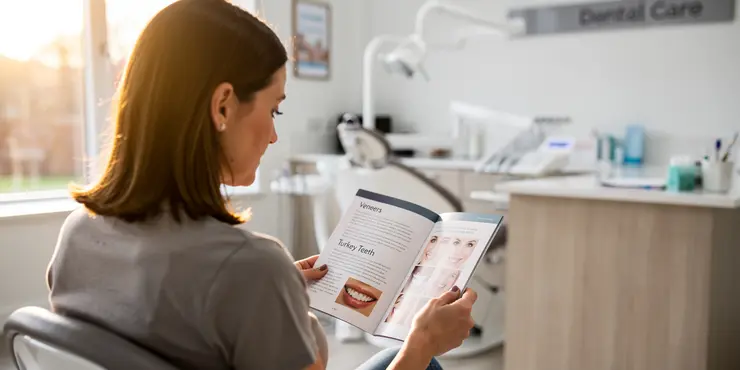
"Turkey Teeth" is a term that has gained popularity in recent years. It refers to dental procedures carried out in Turkey, typically involving significant reshaping of the teeth. These procedures are often marketed as affordable alternatives to dental treatments in the UK.
Many people travel to Turkey for dental work due to lower costs. The treatments can include crowns, veneers, or other cosmetic dental enhancements. It's important to understand what exactly is involved to know if it suits your needs.
What Are Veneers?
Veneers are thin shells made of porcelain or composite resin. They are placed on the front surface of the teeth to improve their appearance. Veneers are primarily used to enhance the look of discoloured, chipped, or uneven teeth.
This cosmetic procedure typically involves minimal tooth preparation. The veneers are custom-made to fit each tooth and are bonded to the surface for a natural look and feel.
Differences Between Turkey Teeth and Veneers
The key difference between Turkey Teeth and traditional veneers lies in the treatment approach. Turkey Teeth often involve more invasive procedures, like reshaping or filing down teeth significantly before fitting crowns or veneers.
Veneers in the UK usually require less tooth reshaping. The procedure is typically more conservative, preserving more of the natural tooth structure. This distinction is crucial for understanding potential long-term impacts on dental health.
Considerations for UK Patients
Cost is a primary factor for many UK patients considering treatments abroad. However, it's essential to weigh the benefits against potential risks. Procedures in Turkey sometimes lack the regulatory oversight found in the UK, which might affect quality and safety.
Aftercare can also pose challenges when dental work is done abroad. Any complications may require follow-up visits, which could incur additional travel and costs. Ensuring thorough research and consulting with a qualified dentist is advisable.
Making Informed Decisions
Whether opting for Turkey Teeth or veneers, understanding the risks and benefits is crucial. Each dental option has its merits, but they come with different implications for oral health.
Consulting with a dental professional in the UK before making any decisions is wise. An informed choice ensures both aesthetic goals and long-term oral health are maintained.
Frequently Asked Questions
Turkey Teeth generally refer to dental procedures, often involving veneers or crowns, carried out in Turkey.
Turkey Teeth can include veneers as part of the treatment, but they may also involve crowns or other dental work.
Many people seek dental treatment in Turkey due to the lower cost and availability of experienced dentists offering cosmetic procedures.
Veneers are thin shells of porcelain or composite resin that are bonded to the front of teeth to improve their appearance.
Veneers cover only the front of a tooth, while crowns encase the entire tooth, providing more structure reinforcement.
Yes, Turkish dental clinics often use the same high-quality materials for veneers and crowns as those used in clinics around the world.
Many clinics in Turkey maintain high standards and employ skilled dentists, but patients should research clinics carefully.
Potential risks include communication issues, differences in dental practices, and variations in cosmetic preferences.
Yes, Turkey Teeth may involve a range of procedures such as crowns, bridges, and implants, based on individual needs.
With proper care, veneers can last between 10 to 15 years before needing replacement.
No, getting veneers is not reversible because it involves reshaping the natural teeth by removing some enamel.
Veneers require regular dental hygiene care similar to natural teeth, including brushing, flossing, and dental check-ups.
Yes, patients can select the shade of veneers to match their desired level of whiteness and complement their natural teeth.
The process may cause minor discomfort, but anesthetic is typically used to minimize pain during tooth preparation.
The veneers procedure usually requires two visits: one for tooth preparation and impressions, and another for placement.
Veneers can address a variety of issues such as discoloration, chips, gaps, and minor misalignments, but not all problems.
Alternatives to veneers include dental bonding, teeth whitening, orthodontics, and crowns, depending on the issue.
Veneers offer a minimally invasive way to achieve a drastically improved aesthetic with a natural look and feel.
Yes, follow-up visits are recommended to ensure proper placement and monitor the health of the underlying teeth.
Patients can generally travel soon after the procedure, but it's advised to follow any specific post-care instructions provided by the dentist.

Ergsy Search Results
This website offers general information and is not a substitute for professional advice.
Always seek guidance from qualified professionals.
If you have any medical concerns or need urgent help, contact a healthcare professional or emergency services immediately.
Some of this content was generated with AI assistance. We've done our best to keep it accurate, helpful, and human-friendly.
- Ergsy carefully checks the information in the videos we provide here.
- Videos shown by Youtube after a video has completed, have NOT been reviewed by ERGSY.
- To view, click the arrow in centre of video.
- Most of the videos you find here will have subtitles and/or closed captions available.
- You may need to turn these on, and choose your preferred language.
- Go to the video you'd like to watch.
- If closed captions (CC) are available, settings will be visible on the bottom right of the video player.
- To turn on Captions, click settings.
- To turn off Captions, click settings again.