
Get Answers
Introduction
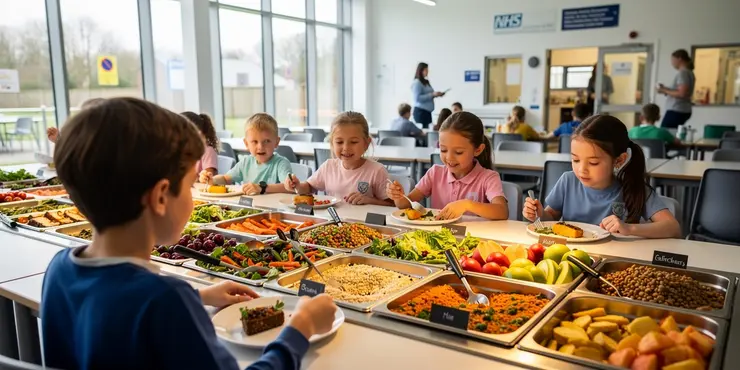
The availability of vegetarian and vegan options in UK school meals has become an increasingly important topic. With the rising number of people choosing plant-based diets for ethical, health, or environmental reasons, schools have started to adapt their meal offerings to meet these dietary preferences.
Government Guidelines
The UK government sets nutritional standards for school meals to ensure that students receive balanced and healthy options. These standards encourage the inclusion of vegetables, fruits, and protein sources that can accommodate vegetarian diets. Furthermore, schools are encouraged to consider special dietary needs, including those of vegetarian and vegan students.
Local Authority Initiatives
Many local authorities across the UK have taken steps to ensure vegetarian and vegan options are available in school cafeterias. These efforts are often motivated by both the demands of parents and students and the broader goal of promoting healthy eating habits. Schools work with nutritionists to create menus that include plant-based proteins, such as lentils, beans, and tofu, alongside a variety of fruits and vegetables.
Challenges in Implementation
Despite the growing demand, there are challenges to providing vegetarian and vegan meals in schools. One significant challenge is ensuring that these meals are as appealing and nutritious as their non-vegetarian counterparts. Schools need to invest in training kitchen staff and purchasing diverse ingredients, which can potentially increase costs. Additionally, there is often a need to educate both staff and students about the benefits of plant-based diets to drive acceptance and encourage dietary change.
Success Stories and Innovations
Some schools have successfully integrated vegetarian and vegan options into their menus. For example, initiatives where meat-free days are implemented have reported positive feedback from students and parents alike. Additionally, special events like 'Veggie Week' have increased awareness and acceptance of plant-based meals. These initiatives demonstrate that with thoughtful planning and community engagement, schools can effectively offer nutritious and appealing vegetarian and vegan meals.
Looking Forward
The trend of incorporating vegetarian and vegan options in school meals is likely to continue as awareness of plant-based diets grows. With ongoing support from government policies and local communities, schools are better positioned to offer inclusive and nutritious meals for all students. As parents and children increasingly prioritize sustainability and health in their food choices, schools will play a critical role in fostering a culture of healthy and diverse eating habits.
Introduction
More people in the UK want school meals with no meat. They choose this for reasons like being kind to animals, staying healthy, or helping the planet. Schools are now providing meals that have no meat to help these students.
Government Guidelines
The UK government has rules to make sure school meals are healthy. These rules say meals should have vegetables, fruit, and proteins. This helps students who do not eat meat. Schools need to make sure they have meals for students who want vegetarian or vegan food.
Local Authority Initiatives
Many places in the UK are making sure kids have vegetarian and vegan food in schools. Parents and students ask for this, and schools want kids to eat healthy. Nutrition experts help schools make meals with foods like lentils, beans, tofu, fruits, and vegetables.
Challenges in Implementation
It can be hard to make vegetarian and vegan meals in schools. They need these meals to taste good and be healthy. Schools might need more money to train kitchen staff and buy different foods. They also need to tell everyone the good reasons for plant-based meals.
Success Stories and Innovations
Some schools made great changes with vegetarian and vegan meals. For example, some schools have days with no meat. They say students and parents are happy with this. Special events like 'Veggie Week' help students try and like new meals. These changes show that schools can give tasty and healthy meals if they plan well.
Looking Forward
More schools will likely keep adding vegetarian and vegan meals. Government support and help from local people make it easier. As families care more about being healthy and helping the planet, schools will continue giving meals that are good for everyone.
Frequently Asked Questions
Yes, most UK schools provide vegetarian options as part of their school meal offerings.
Some UK schools offer vegan meals, but availability can vary. You should check with your specific school for their menu options.
You can inquire directly with the school's administration or catering service for information on vegetarian meal availability.
Yes, UK schools aim to provide nutritionally balanced meals, including vegetarian options, in accordance with government guidelines.
Yes, you can request vegan meals, but it's important to communicate with the school to see if they can accommodate this request.
Common vegetarian dishes may include pasta, vegetable curries, salads, and meat-free burgers or sausages.
Prices can vary, but generally, schools strive to keep meal costs similar regardless of dietary preferences.
The frequency can vary, but many schools offer vegetarian options daily, with vegan options available less frequently.
Yes, schools must follow nutritional guidelines set by the government, ensuring meals, including vegetarian ones, are balanced and healthy.
If vegan meals are not offered, parents are encouraged to discuss options with the school to see if accommodations can be made.
Yes, schools should provide allergen information for all meals, including vegetarian and vegan options.
Many schools aim to use locally sourced ingredients when possible to ensure freshness and support the local economy.
Some schools may offer tasting sessions or sample menus for parents to try. It's best to ask your child's school about this possibility.
Schools typically work with parents and dietary specialists to ensure suitable meal options are available for students with multiple dietary requirements.
Some schools offer plant-based milk alternatives, but availability may vary. Check with your specific school for options.
Yes, parents are welcome to pack their own lunches for their children, adhering to the school's policies on packed lunches.
Some schools include educational programs about nutrition, which may cover vegetarian and vegan diets as part of promoting healthy eating habits.
Schools typically communicate meal options through newsletters, websites, or direct communication with parents.
Schools generally take care to prepare vegetarian and vegan meals separately to avoid cross-contamination, following food safety guidelines.
While not all schools have specific certifications, they must adhere to national nutritional standards which ensure the quality and safety of the meals provided.
Yes, most schools in the UK have vegetarian choices for lunch.
Some schools in the UK have vegan food, but not all do. It is best to ask your school what food they have.
You can ask the school office or the people who make the food to find out if they have vegetarian meals.
Yes, schools in the UK try to give kids healthy meals. They also have meals for kids who don't eat meat. They follow rules from the government to make sure meals are good for you.
Yes, you can ask for vegan meals at school. You should talk to the school to make sure they can do this for you.
Vegetarian dishes are meals without meat. They can be foods like noodles with sauce, spicy vegetable stews, fresh salad greens, or burgers and sausages made from plants instead of meat.
Prices for school meals can change. But schools try to keep the cost the same for everyone, no matter what food they eat.
Schools often have vegetarian meals every day. They might not have vegan meals as often.
Yes, schools have to follow rules from the government. These rules make sure meals are healthy. This includes meals for people who don't eat meat.
If the school does not have vegan meals, parents can talk to the school. They can ask if the school can make special meals without meat, eggs, or dairy.
Yes, schools should tell students what foods are in their meals. This includes vegetarian and vegan meals, too.
Many schools try to use food that comes from nearby farms and shops. This helps the food to be fresh and also helps people who live nearby.
Some schools might have tasting sessions or sample menus. This means parents can try the food. It's a good idea to ask your child's school if they do this.
Schools talk to parents and food experts to make sure there are good meals for kids who need special diets.
Some schools have milk that comes from plants, like almond milk or soy milk. But not all schools have this. Ask your school if they have plant milk.
Yes, parents can pack lunch for their children. Just make sure to follow the school's rules about packed lunches.
Some schools teach about healthy eating. They talk about different diets, like vegetarian and vegan.
Schools tell parents about meal choices in different ways. They might send letters, put it on their website, or talk to parents directly.
Schools are careful to make sure vegetarian and vegan meals are made separately. This helps keep the food safe and clean for everyone.
Not all schools have special certificates for food. But they must follow rules about food to make sure it is healthy and safe for kids.

Ergsy Search Results
This website offers general information and is not a substitute for professional advice.
Always seek guidance from qualified professionals.
If you have any medical concerns or need urgent help, contact a healthcare professional or emergency services immediately.
Some of this content was generated with AI assistance. We've done our best to keep it accurate, helpful, and human-friendly.
- Ergsy carefully checks the information in the videos we provide here.
- Videos shown by Youtube after a video has completed, have NOT been reviewed by ERGSY.
- To view, click the arrow in centre of video.
- Most of the videos you find here will have subtitles and/or closed captions available.
- You may need to turn these on, and choose your preferred language.
- Go to the video you'd like to watch.
- If closed captions (CC) are available, settings will be visible on the bottom right of the video player.
- To turn on Captions, click settings.
- To turn off Captions, click settings again.