
Get Answers
Understanding Searches in the UK
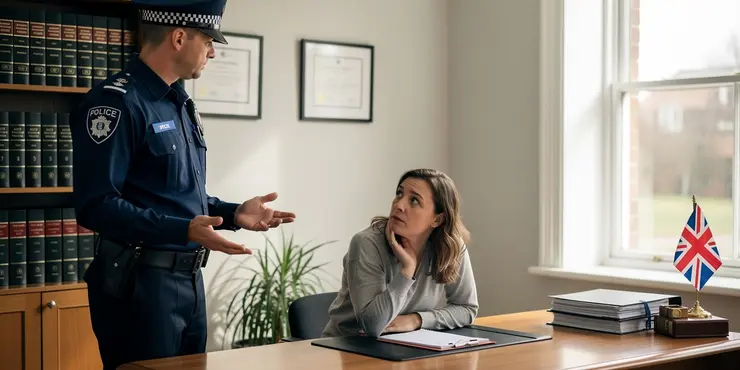
In the United Kingdom, the laws and procedures regarding searches by law enforcement officers are governed by the Police and Criminal Evidence Act 1984 (PACE). This piece of legislation defines the powers that police officers have to conduct searches on individuals, their vehicles, and their premises. It is important for UK residents to be aware of their rights and what they can expect if they are subject to a search.
Reasons for a Search
In most cases, a police officer must have reasonable grounds to conduct a search. These grounds include suspicion of possession of illegal items such as drugs, weapons, stolen property, or items that could be used for criminal activity. Searches can also occur in specific scenarios such as entry points to large events or transportation hubs, where higher security measures are justified.
Your Rights During a Search
When being searched, you have specific rights intended to protect your privacy and dignity. First, an officer must identify themselves and provide their name and police station. They should clearly explain the reason for the search and the legal basis for their actions. You should also be informed of your right to receive a copy of the search record.
Areas and Items Subject to Search
Under PACE, a police officer can conduct a search of your outer clothing in public. If they need to look inside your clothing, they might take you to a more private place, such as a police vehicle or nearby police station. Vehicles and personal belongings can also be subject to search under similar reasonable grounds.
Search Warrants and Premises
For a search to be conducted on private property, police usually need a search warrant granted by a court. However, there are circumstances where a warrant is not required, such as in emergencies or when seeking an arrest directly related to the search.
Protests and Public Gatherings
During public events or protests, police might have enhanced powers under section 60 of the Criminal Justice and Public Order Act 1994. This allows searches without reasonable suspicion in designated areas for a limited time. Nonetheless, these must be authorized by a senior officer and should be publicly announced.
What to Do If You Are Searched
If you are being searched, it is advised to remain calm and cooperative. Note the officer's details, and if you believe the search was unlawful, prioritize recording the events and seeking legal advice afterward. Complaints about police searches can be made to the Independent Office for Police Conduct (IOPC) in serious cases.
Conclusion
Being informed about your rights and the processes that officers must follow can help you manage the situation effectively if you are ever subject to a search. Staying aware of legal standards ensures police accountability and protects citizens’ rights during such procedures.
Understanding Searches in the UK
In the UK, there are rules about how police can search you or your things. These rules come from a law called the Police and Criminal Evidence Act 1984, or PACE. It's important for people in the UK to know their rights if a police officer wants to search them.
Reasons for a Search
A police officer usually needs a good reason to search you. They might search you if they think you have something illegal like drugs, a weapon, or stolen things. Sometimes, searches happen at big events or places like train stations where security needs to be stricter.
Your Rights During a Search
If a police officer is searching you, they must tell you who they are, their name, and where they work. They need to explain why they are searching you and what law allows them to do it. You have the right to ask for a copy of the search record.
Areas and Items Subject to Search
Police can search your outer clothing in public places. If they need to search more, like inside your clothes, they should take you somewhere private, like a police car. They can also search your car or bags if they have a good reason.
Search Warrants and Premises
To search your home, police usually need a special paper called a search warrant from a court. But sometimes they can search without a warrant in emergencies or if they are arresting someone.
Protests and Public Gatherings
At protests or big public events, police might have extra powers to search people without needing a reason. This is allowed for a limited time by a senior officer and should be announced to the public.
What to Do If You Are Searched
If a police officer searches you, try to stay calm and polite. Remember the officer's name and details. If you think the search was wrong, write down what happened and talk to a lawyer later. Serious complaints can go to the Independent Office for Police Conduct (IOPC).
Conclusion
Knowing your rights and what police can and can't do helps you feel more in control if they search you. Being informed helps make sure police follow the rules and respect people's rights.
Frequently Asked Questions
A search is a procedure where a person or their belongings are inspected to find prohibited or dangerous items.
You might be searched at security checkpoints, such as airports, courthouses, or event venues to ensure safety.
Security personnel are typically looking for weapons, explosives, illegal substances, or any items that are prohibited by the venue or transportation service.
In certain locations, like airports, consenting to a search is a legal requirement for entry or service. Refusing a search could result in denial of entry.
Your rights during a search depend on the location and jurisdiction. You generally have the right to be informed of the reason for the search and to have the search conducted respectfully.
In some situations, such as safety concerns or legal investigations, your belongings can be searched without your presence, depending on the applicable laws.
If you believe a search is unlawful, you can calmly state your objection, document the encounter if possible, and report it to the appropriate authorities afterward.
Many searches, particularly at official venues like airports, are monitored or recorded for safety and training purposes.
Yes, you can request a private search in many situations if you are uncomfortable being searched in public.
If prohibited items are found, they may be confiscated, and you could face fines, or legal action, or be denied entry or service.
Usually, you will be informed before a search takes place, especially in situations where consent is required.
Yes, pat-downs or body searches may be conducted where necessary and appropriate under the circumstances or specific laws.
Yes, searches can include pat-downs, bag checks, electronic scans, or other methods depending on the location and level of security.
Public searches can occur in places like airports or large events for safety reasons, but they generally have to follow legal guidelines.
If you feel uncomfortable, you can express your concerns to the security personnel, request a private search, or ask for a supervisor.
To prepare, make sure you know the rules regarding luggage and carry-on items, and have your identification and boarding pass ready.
The purpose is to ensure the safety and security of the public and the venue by preventing dangerous or prohibited items from entering.
Special considerations may be made for children, the elderly, and individuals with specific needs to accommodate their situation appropriately.
In some cases, electronic devices can be searched, especially at international borders or checkpoints, but such searches typically require a valid reason.
Refusing a search can result in denied entry, missed transportation, or other consequences depending on the situation and legal requirements.
A search is when someone looks at a person or their things to find items that are not allowed or could be dangerous.
You might get checked at places like airports, courthouses, or when there’s a big event. This is to make sure everyone stays safe.
Security staff look for things like weapons, bombs, drugs, or anything that is not allowed in that place or transport.
If reading is hard, try using a ruler to guide your eyes. You can also ask someone to read with you or listen to audio books to help.
In some places, like airports, you have to agree to a search to get in or use their services. If you say no to the search, you might not be allowed to go in.
Your rights during a search depend on the place and the law where you are. Usually, you have the right to know why they are searching you. They should do the search in a polite way.
Sometimes, people might need to look through your things even if you are not there. This can happen if there are safety worries or if the police need to investigate something. The rules for this can be different in each place.
If you think a search is not fair, you can say you don't agree in a calm way. You can write down what happens if you can, and then tell the right people about it later.
When you go to places like airports, people might search your bags. They do this to keep everyone safe. Sometimes, they watch or record these searches to help their staff learn and get better at their jobs.
Yes, you can ask for a private search in many cases if you do not feel okay with being searched in front of other people.
If you have things you are not allowed to have, they might be taken away. You might have to pay money as a fine, get into trouble with the law, or not be allowed to come in or get help.
Most of the time, you will be told before a search happens. This is important when someone needs your permission to search.
Sometimes, police or security have to check people by touching their clothes. This is to keep everyone safe. They do this only when really needed or if the law says it's okay.
Yes, searches can happen in different ways. Someone might pat you down, check your bag, use electronic machines, or try other ways. It depends on where you are and how strong the security needs to be.
If you find reading hard, you can try using a ruler or finger to follow the words. You can also ask someone to read with you or use an app that reads text out loud.
Sometimes, people might check your things at airports or big events to keep everyone safe. They usually need to follow rules to do this.
If you don't feel safe or okay, you can tell the security guards. You can ask for a search in a private room. You can also ask to talk to a supervisor for help.
Get ready for your trip! Make sure you know what items you can take in your bags and carry-on. Have your ID and ticket ready to show.
We want to keep everyone safe and make sure the place is secure. We do this by stopping dangerous or not-allowed things from coming in.
We need to think carefully about children, older people, and people with special needs. We should make sure they get the help they need.
Sometimes, people can look at the information on electronic devices, especially when crossing country borders or at security points. Usually, they need a good reason to check your device.
If you say "no" to a search, you might not be allowed in. You could miss your bus or train, or other things might happen. What happens depends on the rules and the situation.

Ergsy Search Results
This website offers general information and is not a substitute for professional advice.
Always seek guidance from qualified professionals.
If you have any medical concerns or need urgent help, contact a healthcare professional or emergency services immediately.
Some of this content was generated with AI assistance. We've done our best to keep it accurate, helpful, and human-friendly.
- Ergsy carefully checks the information in the videos we provide here.
- Videos shown by Youtube after a video has completed, have NOT been reviewed by ERGSY.
- To view, click the arrow in centre of video.
- Most of the videos you find here will have subtitles and/or closed captions available.
- You may need to turn these on, and choose your preferred language.
- Go to the video you'd like to watch.
- If closed captions (CC) are available, settings will be visible on the bottom right of the video player.
- To turn on Captions, click settings.
- To turn off Captions, click settings again.