
Get Answers
Introduction to Botox
Botox, a brand name for botulinum toxin, is a popular cosmetic treatment known for its ability to reduce the appearance of facial wrinkles. Though frequently discussed in beauty circles, questions about its safety are common among potential users in the UK. Understanding the benefits, risks, and regulatory guidelines can help individuals make informed decisions about using Botox.
How Botox Works
Botox functions by temporarily paralyzing muscles. It is injected into targeted muscles, such as those in the forehead and around the eyes, to relax them and soften the appearance of wrinkles. The effects typically last from three to six months, after which further treatment may be needed to maintain results.
Clinical Safety and Approval
In the UK, Botox is regulated as a prescription-only medication under the Medicines and Healthcare products Regulatory Agency (MHRA). It has been approved for both medical and aesthetic purposes, including the treatment of chronic migraines, excessive sweating, and muscle spasms. When administered by a qualified healthcare professional, Botox is generally considered safe.
Potential Side Effects
While Botox is generally safe, it does carry potential side effects. Common side effects include bruising, swelling, and redness at the injection site. Some individuals may experience headaches, dry eyes, or flu-like symptoms. Rarely, Botox can cause temporary drooping of the eyelids or asymmetry in facial expressions. Serious complications are uncommon when Botox is administered by experienced practitioners.
Choosing a Practitioner
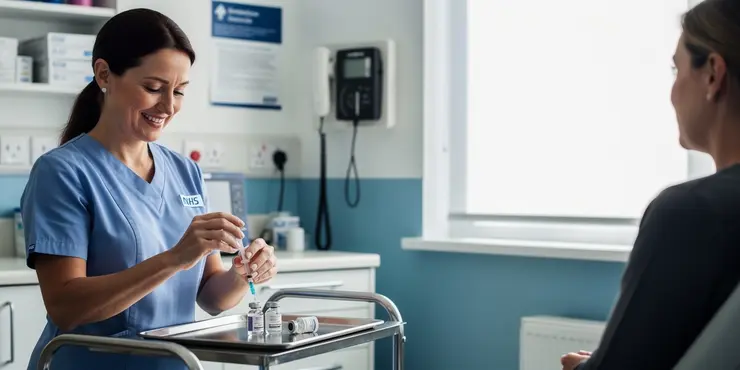
Ensuring that Botox is administered by a qualified and experienced practitioner is crucial for safety. In the UK, only registered medical practitioners, such as doctors, dentists, and nurse practitioners, should carry out Botox injections. Verify that your chosen practitioner is licensed and has specific training and experience in cosmetic procedures. Consulting a practitioner who is certified by reputable organizations, such as the British College of Aesthetic Medicine, can provide further assurance.
Considerations and Alternatives
Before deciding on Botox, consider your medical history and discuss any health concerns with your practitioner. Individuals with certain neurological conditions or allergies to botulinum toxin should avoid Botox. Additionally, pregnant or breastfeeding women are typically advised against the treatment. Alternatives to Botox include dermal fillers, laser treatments, and skincare products that can improve skin texture and appearance.
Conclusion
Overall, Botox is regarded as a safe and effective treatment when used appropriately and administered by a qualified professional. Prospective users in the UK should conduct thorough research, consult with healthcare providers, and weigh the potential benefits against any risks. By understanding the procedure and its implications, individuals can make well-informed decisions regarding Botox treatments.
Introduction to Botox
Botox is a treatment that helps reduce wrinkles on your face. It is very popular. Many people in the UK wonder if it is safe. Knowing the good and bad things about Botox as well as the rules can help you decide if it is right for you.
How Botox Works
Botox works by stopping certain muscles from moving. It is injected into muscles in places like the forehead and around the eyes. This makes wrinkles less noticeable. The effects last for about three to six months. After that, you may need more Botox to keep the results.
Clinical Safety and Approval
In the UK, a special agency called the MHRA checks if Botox is safe to use. Botox needs a doctor's prescription. It can be used for health reasons, like bad headaches, and for beauty, like smooth skin. When a trained doctor or nurse gives you Botox, it is usually safe.
Potential Side Effects
Botox is mostly safe, but some people may have side effects. These can include bruising, swelling, and redness where the needle goes in. Others might get headaches or have dry eyes. Very rarely, some people might notice droopy eyelids. Serious problems are not common if a professional gives you Botox.
Choosing a Practitioner
Picking the right person to give you Botox is important. In the UK, only doctors, dentists, and nurse practitioners should give you Botox. Make sure the person you choose is trained and knows how to do these treatments. Look for someone certified by trusted groups like the British College of Aesthetic Medicine.
Considerations and Alternatives
Think about your health before getting Botox. Talk with your doctor if you have health issues. If you are pregnant or breastfeeding, it's best not to get Botox. There are other ways to treat wrinkles, like creams or laser treatments.
Conclusion
When done right, Botox is safe and works well. Make sure you do some research and talk with doctors first. Look at both the good effects and the bad ones. By knowing what happens during Botox, you can decide if it's the right choice for you.
Frequently Asked Questions
Yes, Botox is considered safe for cosmetic purposes when administered by a qualified professional.
Common side effects include temporary bruising, headache, drooping eyelids, and localized pain at the injection site.
Research indicates that Botox is safe for long-term use if administered correctly, with minimal long-term risks.
Allergic reactions to Botox are rare but can occur. Consult with a healthcare provider if you have concerns.
Botox is not recommended for pregnant or breastfeeding women, and individuals with certain neurological conditions.
The safety of Botox is monitored by regulatory agencies, and adverse effects are reported to ensure ongoing evaluation.
Certain medications can interact with Botox. It's important to inform your doctor of all medications you're taking before treatment.
Botox effects typically last three to six months, and it is gradually metabolized and eliminated from the body.
There is no specific age limit, but Botox is commonly used by adults aged 18 and older for cosmetic and therapeutic purposes.
When properly administered, Botox stays in the injected area, though improper injection techniques can lead to migration.
Providers should be licensed healthcare professionals, such as dermatologists or plastic surgeons, with specific training in Botox injections.
Avoid alcohol and certain medications like blood thinners before the procedure to reduce the risk of bruising and bleeding.
Yes, Botox is safely used for conditions like chronic migraines, excessive sweating, and overactive bladder when prescribed by a doctor.
Botox injections are typically spaced 3 to 4 months apart to prevent resistance and ensure effectiveness.
Botox is FDA-approved for several cosmetic and medical uses, indicating it meets safety and efficacy standards.
Botox is derived from botulinum toxin, but it is purified and used in very small, controlled doses, making it safe.
Yes, factors like smoking and sun exposure can affect skin health and influence Botox treatment outcomes.
Botox is generally safe for all skin types, but a professional consultation is recommended to assess individual suitability.
Follow-up appointments ensure the desired results are achieved and allow for assessment of any side effects.
Some individuals may develop antibodies to Botox after repeated use, potentially leading to reduced effectiveness.
Yes, Botox is safe if a trained expert gives it to you. It helps make you look good.
Some things might happen after you get the medicine. You might get a small bruise. Your head might hurt. Your eyelids might feel heavy or look like they are drooping. You might feel some pain where you got the injection.
Scientists say that Botox is safe if it is used in the right way. There are not many risks if you use it for a long time.
Allergic reactions to Botox do not happen often, but they can happen. Talk to a doctor or nurse if you are worried.
Pregnant or breastfeeding women should not use Botox. People with some brain or nerve problems should also avoid Botox.
Doctors check Botox to make sure it is safe. They watch for any problems and tell people about them so they can keep it safe.
If you have trouble reading, you can ask someone to read it with you. You can also use apps that read text out loud or highlight words one at a time to help you understand better.
Some medicines can mix badly with Botox. Tell your doctor all the medicines you take before you get the treatment.
Botox works for about three to six months. Your body slowly breaks it down and removes it.
People of all ages can use Botox, but usually, it is adults who are 18 years or older. They use Botox to help with looks and health.
When Botox is given the right way, it stays where it is put. But if it's not done right, it can move to other places.
Doctors who give Botox shots should be specially trained. They can be skin doctors or plastic surgery doctors. They need a license to do their job.
Don't drink alcohol. Also, don't take some medicines like blood thinners before the treatment. This helps stop bruises and bleeding.
Yes, doctors use Botox safely to help with bad headaches, sweating too much, and bladder problems.
Botox needles should be given every 3 to 4 months. This stops your body from getting used to it and keeps it working well.
Botox is safe to use. The FDA says it works well and is good for some medical and beauty uses.
Botox comes from something called botulinum toxin. But the botulinum toxin is cleaned up and used in tiny, safe amounts. This means Botox is safe to use.
Yes, smoking and spending time in the sun can change how healthy your skin is. This can change how Botox works.
Botox is usually safe for everyone. But, it is a good idea to talk to a doctor first to make sure it is right for you.
Follow-up appointments are check-ups with the doctor. They make sure everything is going well. The doctor will also look for any side effects from the treatment.
Some people’s bodies might change after using Botox a lot. This can make Botox not work as well.

Ergsy Search Results
This website offers general information and is not a substitute for professional advice.
Always seek guidance from qualified professionals.
If you have any medical concerns or need urgent help, contact a healthcare professional or emergency services immediately.
Some of this content was generated with AI assistance. We've done our best to keep it accurate, helpful, and human-friendly.
- Ergsy carefully checks the information in the videos we provide here.
- Videos shown by Youtube after a video has completed, have NOT been reviewed by ERGSY.
- To view, click the arrow in centre of video.
- Most of the videos you find here will have subtitles and/or closed captions available.
- You may need to turn these on, and choose your preferred language.
- Go to the video you'd like to watch.
- If closed captions (CC) are available, settings will be visible on the bottom right of the video player.
- To turn on Captions, click settings.
- To turn off Captions, click settings again.