
Get Answers
Botox as a Treatment for Migraines
Botox, widely known for its cosmetic applications in reducing wrinkles, has gained recognition as an effective treatment for chronic migraines. The use of Botox for migraines was approved in the UK in 2010, providing a new avenue of relief for those suffering from this debilitating condition. Chronic migraine sufferers, defined as individuals experiencing headaches on 15 or more days each month with at least eight of those days involving migraines, may find significant benefit from this treatment.
How Does Botox Work for Migraines?
Botox, or Botulinum toxin, works by blocking the release of certain chemicals in the brain. These chemicals are involved in the transmission of pain signals during a migraine attack. By inhibiting these signals, Botox can help reduce the frequency and severity of migraine episodes. The treatment involves multiple injections into specific areas around the head and neck, targeting the muscle groups associated with migraine pain.
Who Can Benefit from Botox for Migraines?
Botox is typically recommended for adults who suffer from chronic migraines and have not responded adequately to other preventive treatments. It is important for patients to have a confirmed diagnosis of chronic migraines, as opposed to other types of headaches. A specialist, often a neurologist, can help determine if Botox is a suitable option by evaluating the patient's medical history and headache patterns.
Treatment Procedure and Considerations
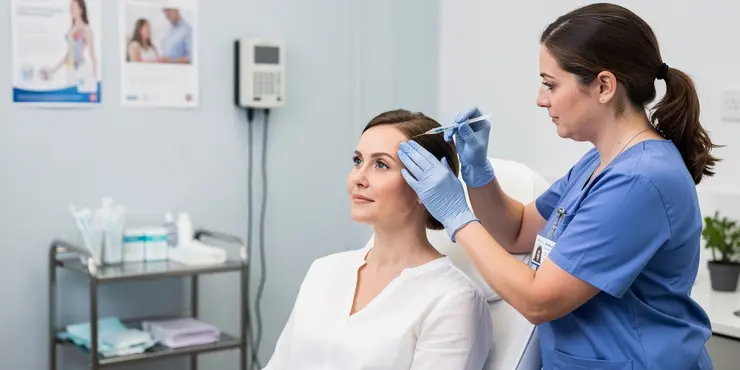
The procedure for administering Botox injections for migraines is relatively quick, usually taking around 15 to 20 minutes. The injections are given by a skilled healthcare professional, often in a doctor's surgery or clinic. Botox is injected in small doses into 31 to 39 sites around the head, neck, and sometimes shoulders. The effects typically begin to be noticed within a few weeks, and treatments are usually repeated every 12 weeks.
Side Effects and Safety
As with any medical treatment, Botox for migraines can have side effects, although they are generally mild and temporary. Some of the most common side effects include neck pain, stiffness, muscle weakness, and bruising at injection sites. Serious side effects are rare but could include allergic reactions. It is crucial for patients to discuss potential risks and benefits with their healthcare provider.
NHS Availability and Accessibility
In the UK, Botox treatment for chronic migraines is available through the NHS for patients who meet the specific criteria. It has proven to be a valuable option in the prevention of chronic migraines, significantly improving the quality of life for many sufferers. Patients interested in Botox for migraines should speak with their GP or a specialist to determine eligibility and access this treatment through the appropriate channels.
Botox for Headaches
Botox is a treatment that can help with headaches. People mostly know Botox because it helps with wrinkles. But it can also help people who have lots of headaches, called migraines. In the UK, people started using Botox for migraines in 2010. This helps people who have headaches many days each month. If you have headaches on 15 or more days a month, Botox might help you feel better.
How Botox Helps with Migraines
Botox is made from something called Botulinum toxin. It stops certain chemicals in your brain from sending pain messages. This helps make migraines happen less often and not as bad. A doctor will give Botox with small injections around your head and neck. These injections help the muscles that cause migraine pain.
Who Should Use Botox for Migraines?
Botox is good for grown-ups who have lots of migraines and who have tried other treatments that did not work. You need to know for sure if you have chronic migraines. A doctor, like a neurologist, can tell you if Botox might help by checking your health and your headaches.
How the Treatment Works
Getting Botox takes about 15 to 20 minutes. A doctor or nurse gives the injections. They do this at a clinic or surgery. The doctor injects Botox into 31 to 39 places around your head and neck. You might start feeling better in a few weeks. You need to go back for more treatment every 12 weeks.
Side Effects and Safety
Like all medicines, Botox can have side effects. Most side effects are mild and don't last long. Some common ones are neck pain, feeling stiff, weak muscles, or bruising where you got the injection. Serious side effects are rare but could happen. It’s important to talk with your doctor about what could happen and if Botox is safe for you.
Getting Botox on the NHS
People in the UK can get Botox for migraines through the NHS if they meet certain rules. Botox helps many people by stopping their headaches and making their lives better. If you want to try Botox for migraines, talk to your GP (family doctor) or a specialist. They can tell you if you can get this treatment.
Frequently Asked Questions
Botox is a medication made from botulinum toxin, which is used to reduce facial wrinkles and treat certain medical conditions.
Yes, Botox can be used to prevent chronic migraines in adults by reducing the frequency and severity of headache days each month.
Botox works by blocking the release of certain chemicals involved in pain transmission, thereby reducing muscle contractions and alleviating headache symptoms.
Botox is typically recommended for adults who experience 15 or more headache days per month, with each headache lasting 4 hours or more.
Botox treatment for migraines is usually administered every 12 weeks.
Botox is injected into specific areas around the head and neck, targeting muscles associated with migraine pain, in a series of small injections.
Common side effects include mild pain at the injection site, neck stiffness, headache, and temporary muscle weakness.
It may take a few weeks to see a reduction in migraine frequency and severity after receiving Botox injections.
No, Botox is not a cure for migraines. It is a preventive treatment that helps reduce the frequency of migraine attacks.
Botox is specifically approved for chronic migraine patients and may not be suitable for those with less frequent headaches. Consultation with a healthcare professional is necessary.
The procedure typically takes around 15-30 minutes, involving multiple tiny injections in targeted areas around the head and neck.
Many insurance plans cover Botox for chronic migraines, but coverage can vary. It's important to check with your insurance provider for specifics.
While generally safe, Botox injections can have risks like allergic reactions or complications if administered improperly. Professional medical consultation is advised.
Currently, Botox is specifically approved for chronic migraines and is not commonly used for other types of headaches.
You may be asked to avoid blood thinners or alcohol before the procedure. Your doctor will provide specific instructions based on your medical history.
Yes, Botox can often be used alongside other migraine treatments, such as medications, but you should always discuss this with your healthcare provider.
The effects of Botox for migraine prevention typically last about 10-12 weeks.
It's important to keep the schedule recommended by your doctor. If you miss a session, contact your healthcare provider to reschedule as soon as possible.
Most patients experience only minimal discomfort from the injections, which are performed with a fine needle.
If you experience any adverse effects or complications, contact your healthcare provider promptly for evaluation and management.
Botox is a medicine. It helps make skin look smoother and can help with some health problems.
Yes, adults can use Botox to help stop bad headaches called migraines. Botox can make these headaches happen less often and hurt less.
Botox helps by stopping some chemicals that make us feel pain. This helps muscles relax and makes headaches better.
Doctors say adults can use Botox if they have lots of headaches. This means 15 or more headaches every month, and each one lasts 4 hours or more.
Botox helps with headaches.
You usually get Botox for headaches every 12 weeks. That's about every 3 months.
If you have trouble reading, you can ask someone to help you understand.
Doctors use tiny needles to put Botox into different spots around your head and neck. This helps with the muscle pain that can cause headaches.
Sometimes, you might feel a little sore where you got the shot. Your neck might feel stiff, and you could get a headache. You might also feel a bit weak in your muscles for a short time.
After getting Botox, it might take a few weeks before your migraine headaches get better. You should notice your migraines happening less often and not being as bad.
No, Botox does not fix migraines. It helps stop them from happening so often.
Botox is a treatment for people with bad headaches that happen a lot, called chronic migraines. It might not help if you don't have these often. You should talk to a doctor to find out if it's right for you.
The procedure usually takes between 15 and 30 minutes. It involves small injections in specific spots around your head and neck.
Most health plans help pay for Botox if you often have bad headaches called migraines. But they don’t all work the same way. It's a good idea to talk to your insurance company to find out how they can help.
Botox is mostly safe. But, sometimes it can cause problems, like allergies or other issues, if not done right. It's a good idea to talk to a doctor before getting Botox.
Right now, doctors say Botox can help people who get a lot of migraines. It is not usually for other types of headaches.
Your doctor might tell you not to take blood thinners or drink alcohol before the test. They will give you special instructions just for you based on your health history.
Yes, you can use Botox with other migraine treatments, like medicine. But you should always talk to your doctor about it first.
Botox helps stop migraines for about 10 to 12 weeks.
It is important to follow the plan your doctor gives you. If you miss a session, talk to your doctor and set up a new time as soon as you can.
Most people feel a little bit of pain from the shots. The doctor uses a very tiny needle.
If you feel unwell or sick, tell your doctor or nurse right away. They can help you feel better.

Ergsy Search Results
This website offers general information and is not a substitute for professional advice.
Always seek guidance from qualified professionals.
If you have any medical concerns or need urgent help, contact a healthcare professional or emergency services immediately.
Some of this content was generated with AI assistance. We've done our best to keep it accurate, helpful, and human-friendly.
- Ergsy carefully checks the information in the videos we provide here.
- Videos shown by Youtube after a video has completed, have NOT been reviewed by ERGSY.
- To view, click the arrow in centre of video.
- Most of the videos you find here will have subtitles and/or closed captions available.
- You may need to turn these on, and choose your preferred language.
- Go to the video you'd like to watch.
- If closed captions (CC) are available, settings will be visible on the bottom right of the video player.
- To turn on Captions, click settings.
- To turn off Captions, click settings again.