
Speak To An Expert
Get clear, personalised advice for your situation.
Jot down a few questions to make the most of your conversation.
Understanding Privacy Concerns
In the UK, the use of security cameras by private individuals is becoming increasingly common as homeowners seek to protect their properties. However, this can sometimes result in privacy concerns for their neighbours. If a neighbour's security camera is installed in such a way that it captures footage of your property, it may lead to discomfort and raise concerns regarding your privacy.
Your Rights Under the Law
According to UK law, while individuals are allowed to install security cameras on their private property, they should try to avoid capturing images or videos of spaces outside their property, such as a neighbour's house or garden. The Information Commissioner's Office (ICO) provides guidelines indicating that if a security camera captures images beyond the owner's property, it falls under the General Data Protection Regulation (GDPR). This means the owner is responsible for the footage and must ensure it is not intrusive or breaching someone else's privacy.
Approaching Your Neighbour
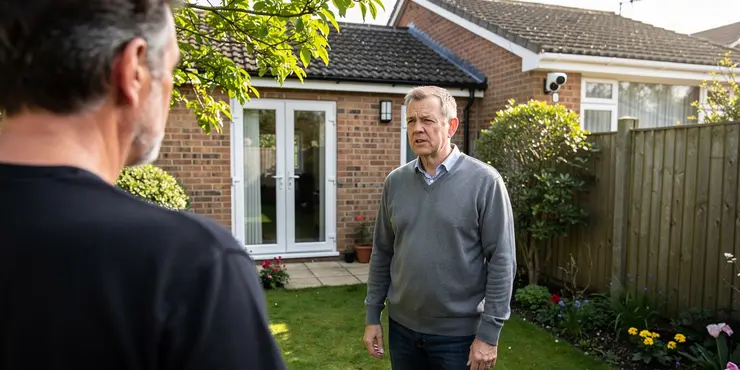
If you feel uncomfortable with your neighbour's security camera capturing parts of your property, the best approach is to have a polite and open conversation with them. Approach your neighbour, explain your concerns calmly, and ask if it would be possible for them to adjust the camera's angle so that it doesn't invade your privacy. It is possible that they might not have realized their camera's coverage extends onto your property, and they may be willing to reposition it to ensure your comfort.
Mediation Services
In instances where a direct conversation with your neighbour doesn't lead to a resolution, you may consider engaging a mediation service. Mediation can be an effective way to help both parties come to a mutually agreeable solution without escalating the matter into a legal dispute. Community mediation services are available across the UK, which can help facilitate peaceful and constructive dialogue.
Legal Action
Should mediation not resolve the issue, you may need to consider legal action as a last resort. It is advisable to seek legal advice to understand the implications and potential outcomes of such actions. Remember that taking legal steps can be time-consuming and may strain neighbourly relations further, so weigh the pros and cons carefully before proceeding.
Maintaining Neighbourly Relations
While protecting your privacy is important, try to approach the issue with consideration for maintaining a good relationship with your neighbour. A collaborative approach often leads to better resolutions. Understanding their reasons for installing the camera and showing willingness to accommodate reasonable security needs can foster goodwill and lead to a satisfactory outcome for both parties.
Understanding Privacy Concerns
In the UK, more people are using security cameras at home to keep their houses safe. This can sometimes make neighbours feel worried about privacy. If a neighbour has a security camera that can see your home, you might feel uncomfortable about your privacy.
Your Rights Under the Law
In the UK, people can put security cameras on their property. But they should not point the cameras at a neighbour's house or garden. If the camera shows places it shouldn't, the owner must follow special privacy rules and take care of the videos.
Approaching Your Neighbour
If you are worried about a neighbour's camera seeing your home, talk to them nicely. Have a friendly chat, tell them your concerns, and ask if they can change the camera angle. They might not know their camera is seeing your property, and they may be happy to fix it.
Mediation Services
If talking to your neighbour doesn't help, you can try mediation. Mediation is a service that helps people agree without fighting. There are many mediation services in the UK that can help you and your neighbour talk things over.
Legal Action
If mediation doesn't work, you might think about legal action, but this should be your last choice. It's a good idea to get legal advice to know what might happen. Remember, going to court can take a long time and make neighbour problems worse, so think carefully before you decide.
Maintaining Neighbourly Relations
It's important to protect your privacy, but also try to keep a good relationship with your neighbour. Working together is usually better. Try to understand why they have the camera and let them know you care about everyone feeling safe. This can help everything work out well for both you and your neighbour.
Frequently Asked Questions
Yes, you can politely request your neighbour to reposition their security camera if it invades your privacy.
In many places, it is legal for a neighbour to have security cameras as long as they are primarily monitoring their own property and not infringing on privacy laws. However, laws vary by region.
It's best to approach your neighbour calmly and respectfully, explaining your concerns about privacy and asking if they can adjust the camera angle.
If your neighbour refuses, you may want to check local laws regarding privacy and security cameras and consider discussing the issue with a legal expert or mediator.
Legal options depend on local laws, but you may be able to file a complaint if the camera violates privacy laws. Consulting a lawyer can provide guidance.
Privacy laws regarding security cameras vary, but they generally prohibit recording private activities without consent and may restrict where cameras can be aimed.
Recording audio is subject to stricter laws than video. Many regions require consent from all parties being recorded, making it less common for security cameras to record audio legally.
You can discuss your concerns with your neighbour and ask them to reposition the camera to ensure it focuses on their property instead of your backyard.
Privacy screens or barriers can be effective in blocking the view of security cameras, offering a practical solution to privacy concerns.
You can install your own security camera on your property. However, ensure it complies with privacy laws and doesn't invade others' privacy.
If you live in a community with an HOA, they might have rules about security cameras and could mediate disputes between neighbours.
While not always required, posting signs about video surveillance can deter crime and inform others about the presence of cameras.
Security cameras can deter crime by increasing the risk of detection for potential criminals, but they are typically most effective as part of a broader security strategy.
Common types include wired and wireless cameras, doorbell cameras, and outdoor bullet cameras, each having its own features and benefits.
You can contact local authorities if you believe the camera is violating privacy laws, but it's usually best to try resolving the issue directly with your neighbour first.
Key factors include the camera's focus area, whether it's capturing private spaces without consent, and local privacy and surveillance laws.
Yes, mediation can be a useful way to resolve disputes amicably, providing a neutral party to facilitate the discussion between you and your neighbour.
A privacy policy should outline how footage is recorded, stored, and used, ensuring compliance with local laws and respecting neighbours' privacy.
Yes, security camera feeds can be vulnerable to hacking, particularly if they are connected to the internet, so proper security measures are essential.
Consulting with a local attorney or searching for information from local government websites can provide insights into your specific area's laws regarding security cameras.
You can nicely ask your neighbor to move their security camera if it is watching your private areas.
In lots of places, a neighbor can have security cameras. They are allowed if the cameras mainly watch their own home and do not break privacy rules. But, the rules can be different in each area.
Helpful tools: You can ask someone to explain difficult rules. You can also use pictures or videos to understand better.
It is good to talk calmly and nicely to your neighbour. Tell them your worries about privacy and ask if they can move the camera a bit.
If your neighbour says "no," you can see what the local rules say about cameras. You can also talk to a lawyer or someone who can help people agree, like a mediator.
Your choices depend on the rules where you live. If someone is breaking privacy rules with a camera, you might be able to tell someone about it.
Talking to a lawyer can help you know what to do.
It might also be useful to ask a friend or family member for help. You can also use online tools to read more about the rules.
Privacy laws are rules about using cameras. These rules are different in some places, but they usually say: You can't film people in private without their permission. There are also rules about where you can point your cameras.
There are more rules for recording sound than video. In many places, everyone being recorded must say it's okay. Because of this, security cameras do not often record sound.
You can talk to your neighbour. Tell them your worries. Ask them to move the camera, so it only looks at their place and not your backyard.
Privacy screens or barriers can help block security cameras. They are a good way to keep your privacy safe.
You can put up your own security camera at your place. But make sure it follows the rules about privacy and does not spy on other people.
If you live in a place that has a Homeowners Association (HOA), they may have rules about using security cameras. They can also help solve arguments between neighbors.
You don't always have to put up signs about cameras, but it helps. Signs can stop bad things from happening and let people know there are cameras watching.
Security cameras can stop bad things from happening. They help because people don't want to get caught on camera. But cameras work best when you use other safety plans too.
There are different types of cameras. Some have wires and some don’t need any. There are also doorbell cameras and cameras you can put outside. Each kind has special things it can do and reasons why you might like them.
If you think the camera is breaking the rules about privacy, you can talk to the local council for help. But it's a good idea to try talking to your neighbour about the problem first.
Things to think about are where the camera looks, if it is taking pictures of private places without permission, and the rules about watching people in your area.
Yes, mediation can help solve problems in a friendly way. A person who is not on anyone's side can help you and your neighbour talk and sort things out.
A privacy policy tells you how videos are taken, kept, and used. It makes sure rules are followed and neighbors' privacy is protected.
Yes, people can hack into security cameras, especially if they are online. It's important to use good safety steps.
Talking to a lawyer near you or looking at local government websites can help you learn about the rules for security cameras where you live.

Ergsy Search Results
This website offers general information and is not a substitute for professional advice.
Always seek guidance from qualified professionals.
If you have any medical concerns or need urgent help, contact a healthcare professional or emergency services immediately.
Some of this content was generated with AI assistance. We've done our best to keep it accurate, helpful, and human-friendly.
- Ergsy carefully checks the information in the videos we provide here.
- Videos shown by Youtube after a video has completed, have NOT been reviewed by ERGSY.
- To view, click the arrow in centre of video.
- Most of the videos you find here will have subtitles and/or closed captions available.
- You may need to turn these on, and choose your preferred language.
- Go to the video you'd like to watch.
- If closed captions (CC) are available, settings will be visible on the bottom right of the video player.
- To turn on Captions, click settings.
- To turn off Captions, click settings again.