
Get Answers
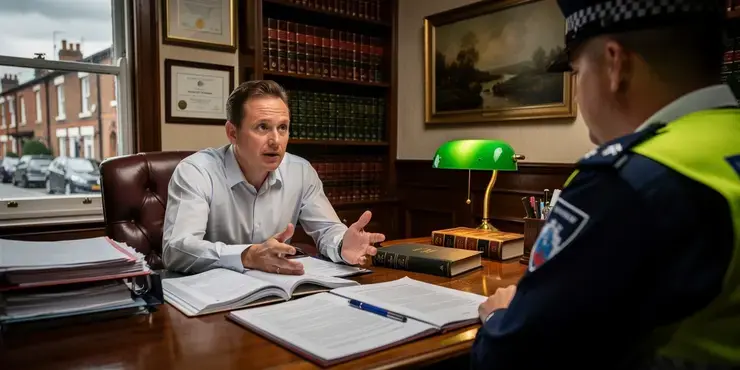
Can I complain about the police in the UK?
Yes. If you think the police have treated you unfairly, acted improperly, or failed to do something they should have done, you can make a complaint. This applies whether the incident happened in England, Scotland, Wales, or Northern Ireland.
The exact complaints process depends on which police service was involved. Police forces in the UK are not all handled in the same way, so it is important to complain to the right body.
England and Wales
If the incident happened in England or Wales, you can usually complain directly to the relevant police force. You can do this online, by post, or sometimes in person at a police station. The force should explain what happens next and may contact you for more information.
More serious complaints may be investigated by the Independent Office for Police Conduct, often called the IOPC. This can happen if the complaint involves serious harm, misconduct, or death following police contact.
Scotland
If the incident happened in Scotland, complaints about Police Scotland are usually made through the police force itself or through the Police Investigations and Review Commissioner, known as the PIRC. The route depends on the nature of the complaint.
The PIRC can review how a complaint was handled and, in some cases, investigate independently. If you are unsure where to start, Police Scotland should be able to point you in the right direction.
Northern Ireland
If the incident happened in Northern Ireland, complaints about the Police Service of Northern Ireland, or PSNI, can be made directly to the service. The Police Ombudsman for Northern Ireland also investigates police complaints independently in many cases.
This is especially important if you believe there has been serious misconduct or if you are not satisfied with how the police handled your complaint. You can ask for advice about the right procedure if needed.
What can you complain about?
You can complain about police conduct, mistakes, poor communication, discriminatory treatment, or failure to investigate properly. You can also complain if you were unhappy with how an officer spoke to you or treated you during an incident.
If you were arrested, searched, stopped, or questioned, and you believe the police acted wrongly, that can also be raised. You do not need to prove everything before complaining.
Getting help with your complaint
It helps to write down what happened as soon as you can. Include the date, time, place, officer details if you have them, and any witnesses or evidence such as photos, messages, or CCTV.
You can also ask a solicitor, advice service, or support organisation for help. If the matter is urgent or linked to a crime, you should still report it promptly and keep a copy of your complaint.
Frequently Asked Questions
It is the process for raising concerns about police conduct, service, or actions if the incident happened in England, Scotland, Wales, or Northern Ireland. You can usually complain directly to the force involved, or to the relevant oversight body if needed.
Anyone who has been affected by police conduct, service, or actions can usually make a complaint, including the person involved, a witness, or someone acting on behalf of the affected person with permission.
You can complain about matters such as officer behaviour, discrimination, failures in communication, poor service, unlawful conduct, mishandling of an incident, delays, or other concerns about police actions.
You can usually complain online, by email, by phone, by post, or in person to the relevant police force or oversight body. The exact route depends on where the incident happened and what the complaint is about.
You should normally complain to the police force involved first. In some cases, you may need to contact the relevant independent oversight body, especially if the matter is serious or you are unhappy with the outcome.
Some forces may accept anonymous concerns, but anonymous complaints can be harder to investigate and may limit what action can be taken. If you want a formal complaint, giving contact details is usually better.
Yes, you can often complain on behalf of someone else if you have their consent, or if you are a parent, guardian, legal representative, or otherwise entitled to act for them.
Yes, complaints should usually be made as soon as possible. Different rules may apply depending on the country and the circumstances, but delays can make investigation harder, so it is best to act quickly.
Useful evidence includes dates, times, locations, names or badge numbers if known, witness details, notes of what happened, photos, videos, messages, emails, medical records, and any reference numbers.
The complaint is usually logged, assessed, and investigated or reviewed. You may be contacted for more information, and you should receive an outcome or explanation of the next steps.
There is no single fixed timeline. Simple complaints may be handled relatively quickly, while complex matters can take longer. The force or oversight body should keep you informed about progress.
Yes. A complaint about police conduct is separate from reporting a crime. If a crime may have been committed, you can ask for the matter to be recorded and investigated alongside your complaint.
Yes. You can complain about your treatment, the circumstances of the arrest or detention, communication, use of force, or any other concerns connected to police conduct during that incident.
If you are unhappy, you may be able to request a review or escalate the matter to the appropriate independent body, depending on where the incident happened and how the complaint was handled.
Yes. You do not usually need a solicitor to make a police complaint. However, legal advice may help if the issue is serious, involves possible criminal or civil claims, or you need support.
Making a complaint should not by itself harm your rights, but the impact can vary depending on the circumstances. If your complaint is linked to a criminal case or ongoing investigation, it is sensible to get advice.
If the incident happened in England, you usually complain to the relevant police force first, and if needed to the Independent Office for Police Conduct or the appropriate review route.
If the incident happened in Scotland, complaints about police conduct are usually made to Police Scotland, with the Police Investigations and Review Commissioner involved in certain cases or reviews.
If the incident happened in Wales, you usually complain to the relevant police force in the same way as in England, and serious matters may involve the Independent Office for Police Conduct.
If the incident happened in Northern Ireland, you usually complain to the Police Service of Northern Ireland, and the Police Ombudsman for Northern Ireland may investigate complaints independently.

Ergsy Search Results
This website offers general information and is not a substitute for professional advice.
Always seek guidance from qualified professionals.
If you have any medical concerns or need urgent help, contact a healthcare professional or emergency services immediately.
Some of this content was generated with AI assistance. We've done our best to keep it accurate, helpful, and human-friendly.
- Ergsy carefully checks the information in the videos we provide here.
- Videos shown by Youtube after a video has completed, have NOT been reviewed by ERGSY.
- To view, click the arrow in centre of video.
- Most of the videos you find here will have subtitles and/or closed captions available.
- You may need to turn these on, and choose your preferred language.
- Go to the video you'd like to watch.
- If closed captions (CC) are available, settings will be visible on the bottom right of the video player.
- To turn on Captions, click settings.
- To turn off Captions, click settings again.