
Speak To An Expert
Get clear, personalised advice for your situation.
Jot down a few questions to make the most of your conversation.
Introduction
Pregnancy is a unique time in a woman’s life that often brings questions about health and exercise, particularly regarding the safety of high-impact activities. High-impact exercises typically include activities such as running, jumping, and aerobics, which involve both feet leaving the ground simultaneously. While these exercises can be part of a healthy lifestyle, expecting mothers often worry about their safety during pregnancy.
Consulting Healthcare Professionals
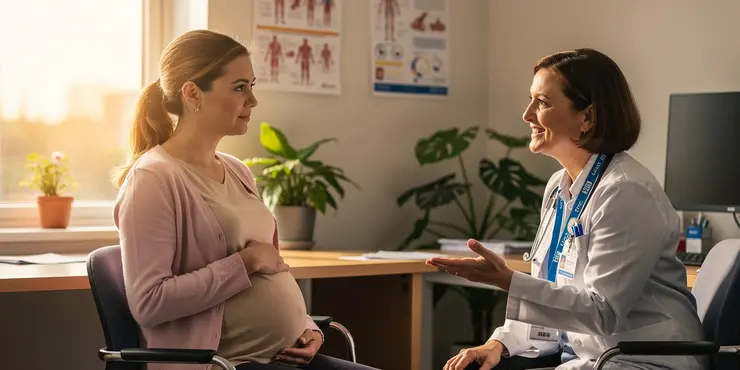
Before engaging in any high-impact exercise while pregnant, it is crucial to consult with a healthcare provider such as a GP or midwife. Each pregnancy is different, and individual health conditions like a history of miscarriage, preterm labour, or chronic conditions such as high blood pressure may affect the safety of high-impact activities. A healthcare professional can provide personalised advice based on one's specific circumstances.
General Guidelines for Exercising During Pregnancy
The NHS advises that in most cases, continuing pre-pregnancy levels of physical activity is safe and beneficial. Exercise can help reduce the risk of pregnancy complications and improve physical health and mood. However, certain modifications might be necessary as the pregnancy progresses. Women who were not active before pregnancy are advised to start with low-impact activities and gradually increase intensity under medical guidance.
Benefits of Staying Active
Staying active during pregnancy offers numerous benefits, including improved cardiovascular health, reduced risk of gestational diabetes, better mood, and easier postpartum recovery. Exercise can also alleviate pregnancy symptoms such as back pain, swelling, and fatigue. Importantly, participating in regular physical activity can help manage weight gain and improve overall wellbeing during pregnancy.
Precautions When Performing High-Impact Exercises
Although staying active is beneficial, pregnant women need to be cautious with high-impact exercises. It’s essential to listen to one's body and avoid pushing too hard. Staying well-hydrated, warming up adequately, and avoiding overheating are critical. Balance and coordination might be affected as the pregnancy progresses, so extra care should be taken to avoid falls. If high-impact exercises become uncomfortable or painful, it is advisable to switch to low-impact alternatives.
Alternative Low-Impact Activities
For those who need to modify their routine, low-impact exercises such as walking, swimming, and prenatal yoga are excellent alternatives. These activities provide cardiovascular benefits without the added stress on the joints and pelvic floor. Water-based activities, in particular, can be refreshing due to the buoyancy that supports additional body weight and reduces strain.
Conclusion
Whether you can safely participate in high-impact exercises during pregnancy largely depends on your existing fitness level and health status. The key is to prioritise both your health and that of your baby by consulting with healthcare professionals and listening to your body’s signals. With the right guidance and precautions, many pregnant women can safely enjoy exercise throughout their pregnancies.
Introduction
Pregnancy is a special time for a woman. Many women have questions about staying healthy and doing exercise. Some worry about exercises like running and jumping because both feet leave the ground at the same time. These exercises can be good for health, but pregnant women often wonder if they are safe to do.
Consulting Healthcare Professionals
Before doing high-impact exercises when pregnant, it's important to talk to a doctor or nurse. Each pregnancy is different. Health issues like past miscarriages, early labor, or conditions like high blood pressure can change what exercises are safe. A doctor can give advice based on your health.
General Guidelines for Exercising During Pregnancy
The NHS says it's usually safe and good to keep doing the exercise you did before pregnancy. Exercise can lower risks of pregnancy problems and help with health and mood. But as the baby grows, you might need to change how you exercise. If you didn't exercise before, start with easy activities and slowly do more, with your doctor's help.
Benefits of Staying Active
Exercising during pregnancy has many benefits. It keeps the heart healthy, lowers the risk of getting diabetes during pregnancy, boosts mood, and helps with recovery after the baby is born. Exercise can also ease back pain, reduce swelling, and fight tiredness. It helps manage weight gain and keeps you feeling good.
Precautions When Performing High-Impact Exercises
It's important to be careful with high-impact exercises when pregnant. You should listen to your body and not try too hard. Drink water, warm up properly, and avoid getting too hot. As pregnancy goes on, balance can get tricky. Be careful to avoid falling. If high-impact exercises hurt or feel wrong, switch to easier ones.
Alternative Low-Impact Activities
If you need to change your workout, try activities like walking, swimming, or prenatal yoga. These are easier on your body. Swimming is especially nice as the water supports you and takes pressure off your body.
Conclusion
Whether you can do high-impact exercises when pregnant depends on your fitness and health. The most important thing is to keep you and your baby safe. Talk to healthcare professionals and listen to your body. With the right help and care, many pregnant women can safely exercise.
Frequently Asked Questions
It is generally recommended to avoid high-impact exercises during pregnancy unless your healthcare provider gives you specific clearance.
High-impact exercises are those that involve more force and impact on the joints, such as running, jumping, or aerobics.
Some women may continue with high-impact exercises in the first trimester, but it's essential to consult with a healthcare provider to ensure safety.
High-impact exercises can increase the risk of injury, affect balance, and cause strain on ligaments and joints, which are already under stress during pregnancy.
Risks include potential falls, joint injuries, increased heart rate, and overheating, which can be harmful during pregnancy.
Many women continue running during pregnancy, especially if they were runners before. Consultation with a healthcare provider is important to determine what's best for you.
Low-impact exercises like swimming, walking, stationary cycling, and prenatal yoga are generally considered safe options.
Jumping exercises are typically not recommended during pregnancy due to the potential for joint stress and balance issues.
Low-impact aerobics can be a safe prenatal exercise, but high-impact aerobics should be modified or avoided based on advice from a healthcare provider.
Focus on low-impact activities, listen to your body, avoid exercises that involve lying flat on your back after the first trimester, and stay hydrated.
In rare cases, a healthcare provider may allow certain high-impact exercises, especially for athletes, but this should be evaluated on an individual basis.
Signs that an exercise may be too strenuous include shortness of breath, dizziness, headache, uterine contractions, and bleeding or fluid leak.
Exercises that require balance should be done with caution as balance can be affected during pregnancy. Avoid activities with a high risk of falling.
Yes, many gyms and community centers offer prenatal exercise classes designed to be safe and beneficial for pregnant women.
Generally, 150 minutes of moderate-intensity exercise per week is recommended, but always consult with a healthcare provider for personal guidance.
Weightlifting can be safe if done with proper form, lighter weights, and with medical clearance. Avoid heavy lifting and holding breath.
Consult your healthcare provider, stay hydrated, avoid excessive heat, wear supportive gear, and be aware of any warning signs like pain or discomfort.
No, swimming is considered a low-impact exercise and is generally safe and recommended during pregnancy.
You should discuss with your healthcare provider, but many advise stopping high-impact exercises early in pregnancy to reduce risk.
It's important to wait until your healthcare provider approves postpartum exercise, which may take 6 weeks or more depending on individual recovery.
It's best not to do exercises that are really hard on your body while you are pregnant. Talk to your doctor to see what exercises are safe for you.
High-impact exercises are activities that hit your body hard. They include running, jumping, or doing aerobics.
Some women can do tough exercises when they are pregnant, but they should ask a doctor first to make sure it is safe.
You can use tools like pictures or videos to help understand better. It's okay to ask someone to explain things, too!
Strong exercises can sometimes cause injuries. They can also make you lose your balance and hurt your joints and ligaments. This is even more of a worry when you are pregnant because your body is already working hard.
When you are pregnant, you might face some risks. These risks include:
- Falling down, which can hurt you.
- Hurting your joints, like your knees or ankles.
- Your heart beating really fast, which can be scary.
- Getting too hot, which is not good for you or the baby.
To stay safe, you can try:
- Walking carefully to not fall.
- Doing gentle exercises that are easy on your joints.
- Taking breaks to slow your heart down.
- Drinking water to stay cool.
Lots of women keep running when they are going to have a baby, especially if they ran before. It's important to talk to a doctor to see what's good for you.
Some exercises are gentle and good for your body. These include swimming, walking, using a stationary bike, and prenatal yoga.
It is usually not a good idea to do jumping exercises when you are pregnant. Jumping can hurt your joints and make it hard to keep your balance.
Low-impact aerobics is a safe way to exercise when you are pregnant. But high-impact aerobics might not be safe. Ask your doctor if you should change or stop high-impact exercises.
Do gentle exercises that are easy on the body. Pay attention to how your body feels. Don't do exercises where you lie flat on your back after the first three months. Drink plenty of water.
Sometimes, a doctor might say it's okay to do hard exercises. This is not common and usually for athletes. The doctor will decide what is best for each person.
If an exercise is too hard, you might feel out of breath, dizzy, have a headache, or notice your belly tightening. You might also see blood or other fluid.
Be careful with exercises that need balance because balance can be tricky when you are pregnant. Stay away from activities where you might fall down.
Yes, many gyms and community centers have special exercise classes for pregnant women. These classes are safe and good for them.
The advice is to exercise for about 150 minutes each week. This means doing activities that make you breathe a bit harder but are not too hard. Always talk to a doctor to see what is best for you.
Weightlifting can be safe if you do it the right way. Use light weights and make sure a doctor says it's okay. Don't lift heavy things or hold your breath.
Talk to your doctor, drink plenty of water, stay out of the sun, wear comfy clothes, and tell someone if you feel hurt or uneasy.
No, swimming is safe when you are going to have a baby. It is gentle exercise and is usually a good choice.
Talk to your doctor about exercise when you are pregnant. Lots of doctors say you should stop hard exercises early in pregnancy to stay safe.
Ask your doctor when it is safe to start exercise after having a baby. This might take 6 weeks or more. Everyone is different.

Ergsy Search Results
This website offers general information and is not a substitute for professional advice.
Always seek guidance from qualified professionals.
If you have any medical concerns or need urgent help, contact a healthcare professional or emergency services immediately.
Some of this content was generated with AI assistance. We've done our best to keep it accurate, helpful, and human-friendly.
- Ergsy carefully checks the information in the videos we provide here.
- Videos shown by Youtube after a video has completed, have NOT been reviewed by ERGSY.
- To view, click the arrow in centre of video.
- Most of the videos you find here will have subtitles and/or closed captions available.
- You may need to turn these on, and choose your preferred language.
- Go to the video you'd like to watch.
- If closed captions (CC) are available, settings will be visible on the bottom right of the video player.
- To turn on Captions, click settings.
- To turn off Captions, click settings again.