
Speak To An Expert
Get clear, personalised advice for your situation.
Jot down a few questions to make the most of your conversation.
Understanding Prison Visits in the UK
If you know someone who has been incarcerated in the UK, you might wonder about the process for visiting them. The UK government provides specific guidelines on how friends and family can visit prisoners, as maintaining these connections is considered beneficial for the rehabilitation process.
Who Can Visit a Prisoner?
Generally, visits are allowed for family members, friends, and approved individuals. All visitors must be on the prisoner’s approved visitor list. This list is created by the prisoner, who has to provide your name and details to the prison authorities. The number of visitors can be limited, depending on the prison’s guidelines and the nature of the visit.
Arranging a Visit
To visit someone in prison, the visit must be booked in advance. You should contact the prison directly to arrange the visit, and you may be able to book your visit online or by phone. It's important to note that each prison has its own schedule for visits, so it's crucial to make arrangements that align with their visiting hours.
Requirements for Visiting
Visitors are required to bring valid photo identification, such as a passport or driver’s license, when visiting a prison. You may also need to provide documentation to confirm your identity and relationship to the prisoner. Additionally, many prisons have strict rules regarding personal items, and visitors should check in advance what can and cannot be brought into the facility.
Security Procedures
Upon arrival, visitors will undergo security checks similar to airport security, including the examination of bags and personal items. There might also be pat-down searches conducted by same-gender staff. It's essential to comply with all security procedures to ensure your visit goes smoothly.
During the Visit
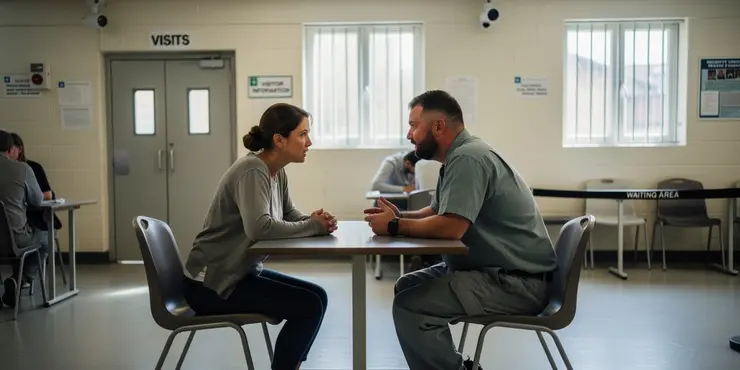
Most visits take place in a designated visiting area, under the supervision of prison staff. The nature of the visit—whether it's a contact visit or non-contact visit—will depend on the prison's regulations and the prisoner’s behavior. Contact visits allow some physical interaction, while non-contact visits may be conducted through a screen.
Visiting Rules and Conduct
Each prison has its own set of rules regarding visitor conduct. It's crucial to follow these rules carefully, as failure to comply can result in the termination of the visit or a ban on future visits. Rules typically cover behavior, dress code, and items that may be brought into the visiting area.
Support and Further Information
If you need help or have questions about visiting someone in prison, there are resources and support services available. Organizations like the Prison Reform Trust and government websites provide detailed information and assistance. Always check the specific guidelines of the prison you intend to visit, as procedures and rules can vary widely.
Understanding Prison Visits in the UK
If someone you know is in prison in the UK, you might want to visit them. The government has rules about how you can do this. Visiting helps the person feel better and can make it easier for them to improve.
Who Can Visit a Prisoner?
Family, friends, and approved people can visit someone in prison. The person in prison has to put your name on a list for you to visit. The list tells the prison who can come. There can be limits on how many people can visit at once.
Arranging a Visit
You need to plan your visit ahead of time. Call the prison or go online to book your visit. Each prison has its own visiting times, so make sure you know when you can visit.
Requirements for Visiting
When you visit, you need to bring ID, like a passport or driver's license. You might also need to show proof of who you are and how you know the person in prison. Check what you can and can't bring with you, as many things are not allowed.
Security Procedures
When you get to the prison, there will be security checks. This is similar to the checks at an airport. Your bags and things will be looked at. Staff might also check you with a pat-down. Follow all the rules to make your visit smooth.
During the Visit
Visits usually happen in a special area inside the prison. Staff will be there to watch. Sometimes you can touch the person you are visiting, but other times you may need to talk through a screen. This depends on the prison's rules.
Visiting Rules and Conduct
Every prison has rules you must follow when visiting. These rules include how you should behave, what to wear, and what you can bring. Not following the rules could stop your visit or get you banned from coming again.
Support and Further Information
If you have questions about visiting, there are people who can help. You can contact groups like the Prison Reform Trust or check government websites. Always find out the specific rules for the prison you are visiting, as they can be different.
Frequently Asked Questions
Basic rules for visiting someone in prison usually include being on the approved visitor list, bringing valid photo identification, following dress code requirements, arriving on time, and complying with all search and conduct rules set by the facility.
Eligibility for visiting someone in prison depends on the facility, the person's custody status, and the prison's approval process. In many cases, family members, friends, and other approved contacts may visit if they complete the required application and background check.
To apply for visiting someone in prison, you usually need to submit a visitor application form to the facility, provide identification details, and wait for approval. Some prisons also require a background check before you can be added to the approved visitor list.
Visiting someone in prison typically requires a government-issued photo ID such as a driver's license, state ID card, passport, or military ID. The exact accepted forms of identification depend on the facility's rules.
When visiting someone in prison, you should wear modest, conservative clothing that follows the facility's dress code. Avoid revealing clothing, see-through fabrics, clothing with offensive messages, and items that resemble staff or inmate attire.
Children may be allowed to participate in visiting someone in prison, but they usually must be accompanied by an approved adult and may need additional documentation such as a birth certificate or guardianship papers. The prison may also have age-specific rules.
The length of visiting someone in prison varies by facility, custody level, staffing, and how crowded the visiting room is. Visits may last from a short time to several hours, but the prison can end or shorten a visit at any time for security or rule violations.
Limited physical contact may be allowed when visiting someone in prison, such as a brief hug at the beginning and end of the visit, but rules vary widely. Some facilities allow no contact visits, while others permit contact only in designated areas.
When visiting someone in prison, you usually cannot bring personal items inside the visiting area beyond required identification and a small amount of approved money or keys, if allowed. Bags, phones, food, cameras, and gifts are often prohibited unless the facility specifically permits them.
Some prisons allow children and limited baby supplies when visiting someone in prison, but the rules are strict. Diapers, bottles, and formula may be permitted after inspection, while strollers, toys, and large bags may be restricted.
You can find the visiting schedule for visiting someone in prison by checking the prison's official website, calling the facility, or reviewing the inmate handbook. Schedules often depend on the inmate's housing unit, last name, and security level.
Yes, visits can be denied when visiting someone in prison if the visitor is not approved, arrives late, fails to follow dress or conduct rules, appears intoxicated, or triggers a security concern. The incarcerated person may also lose visiting privileges for disciplinary reasons.
During security screening for visiting someone in prison, you may be checked for identification, scanned with metal detectors, and searched for prohibited items. Some facilities also inspect belongings, vehicle contents, or require additional screening measures.
Whether you can send money or property when visiting someone in prison depends on the facility's rules. Many prisons prohibit direct handoffs during visits but allow money to be deposited through approved kiosks, mail, or online systems.
To cancel or reschedule visiting someone in prison, you usually need to contact the facility or follow the prison's visitor procedures. Some prisons require advance notice, and repeated no-shows may affect future visiting privileges.
If you are late for visiting someone in prison, contact the facility as soon as possible if instructions are available. Many prisons close check-in after a specific time and may refuse late arrivals, so it is best to arrive early.
Many facilities offer phone or video options for visiting someone in prison, but access depends on the prison's technology, security policies, and the incarcerated person's privileges. These visits often require advance scheduling and may have time limits or fees.
You may be able to bring legal documents when visiting someone in prison if the visit is for legal purposes and the facility permits it. Legal visits often have separate procedures, and documents may be inspected without being read, depending on the rules.
If you violate the rules while visiting someone in prison, the visit may be ended immediately, you may be removed from the facility, and future visits may be suspended or revoked. Serious violations can also lead to additional legal or security consequences.
To check the approved visitor list for visiting someone in prison, contact the facility or the incarcerated person's case manager if that information is available. Some prisons allow the incarcerated person to confirm visitor approvals, while others restrict access to that information.

Ergsy Search Results
This website offers general information and is not a substitute for professional advice.
Always seek guidance from qualified professionals.
If you have any medical concerns or need urgent help, contact a healthcare professional or emergency services immediately.
Some of this content was generated with AI assistance. We've done our best to keep it accurate, helpful, and human-friendly.
- Ergsy carefully checks the information in the videos we provide here.
- Videos shown by Youtube after a video has completed, have NOT been reviewed by ERGSY.
- To view, click the arrow in centre of video.
- Most of the videos you find here will have subtitles and/or closed captions available.
- You may need to turn these on, and choose your preferred language.
- Go to the video you'd like to watch.
- If closed captions (CC) are available, settings will be visible on the bottom right of the video player.
- To turn on Captions, click settings.
- To turn off Captions, click settings again.