
Speak To An Expert
Get clear, personalised advice for your situation.
Jot down a few questions to make the most of your conversation.
Introduction
Pregnancy is a unique and special time in a woman's life, often accompanied by various physiological and psychological changes. While some discomforts are common, such as joint pain or fever due to underlying conditions, managing these symptoms safely is a priority. This raises the question: Can lifestyle changes help in managing pain and fever during pregnancy? For expectant mothers in the UK, understanding alternative and complementary methods can offer comfort and safety.
Understanding Pain and Fever During Pregnancy
During pregnancy, women may experience various types of pain, such as back pain, pelvic pain, and headaches. Fever can also occur due to minor infections or colds. While these symptoms are generally normal, they require careful management to ensure the safety of both the mother and the developing fetus. In many cases, lifestyle changes can provide relief alongside, or even instead of, conventional medication, which might be limited due to pregnancy considerations.
Exercise and Physical Activity
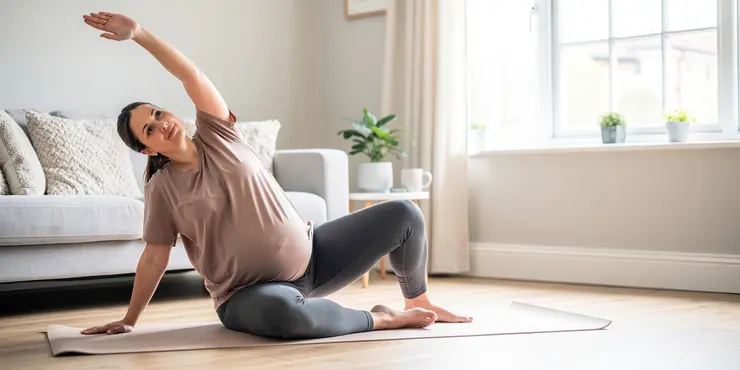
Engaging in regular, moderate exercise can significantly help in managing pain during pregnancy. Activities such as walking, swimming, and prenatal yoga are excellent for maintaining flexibility, boosting circulation, and supporting overall well-being. In the UK, many fitness centres offer prenatal exercise classes designed to be safe and effective. These activities not only alleviate pain but also help improve mood and energy levels, potentially reducing the risk of fever due to stress or fatigue.
Diet and Hydration
Maintaining a balanced diet rich in fruits, vegetables, whole grains, and lean proteins is important for overall health during pregnancy. Proper nutrition can support the immune system, thereby reducing the risk of infections that might cause fever. Staying well-hydrated is also crucial, as dehydration can lead to headaches and contribute to fever symptoms. In the UK, access to nutritional guidance through the NHS or private consultations can further aid pregnant women in making healthier dietary choices.
Rest and Stress Management
Stress and lack of sleep can exacerbate pain and increase susceptibility to illness, potentially leading to fever. Prioritizing rest is essential for managing these symptoms during pregnancy. Techniques such as deep breathing exercises, meditation, and mindfulness can help manage stress levels. Pregnant women can benefit from relaxation therapies, which are increasingly available across the UK and often recommended by healthcare providers.
Conclusion
While lifestyle changes are not a cure-all, they can significantly contribute to managing pain and fever during pregnancy. By incorporating exercise, a healthy diet, proper hydration, and stress management into daily routines, pregnant women in the UK can navigate this period more comfortably. It's important for expectant mothers to consult with healthcare providers to tailor lifestyle changes to their specific needs, ensuring the health and safety of both mother and baby.
Introduction
Pregnancy is a special time for a woman. It can bring different feelings and changes in the body. Sometimes, it can be uncomfortable, like having pain in your joints or getting a fever. It’s important to handle these feelings safely. Can changing the way you live help with pain and fever when you’re pregnant? In the UK, learning about different ways to feel better can help keep you safe and comfortable.
Understanding Pain and Fever During Pregnancy
When a woman is pregnant, she might feel pain in her back, hips, or head. She might also get a fever if she gets a cold or minor infection. These problems are usually normal but need to be managed carefully for the safety of both mum and baby. Sometimes, changing your lifestyle can help relieve discomfort instead of using medicine, which might not be safe during pregnancy.
Exercise and Physical Activity
Doing exercise is good for reducing pain when you're pregnant. Walking, swimming, and prenatal yoga are good ways to keep your body flexible and healthy. In the UK, many places offer exercise classes for pregnant women. These activities can help you feel less pain and make you feel happier and more energetic. This can also help stop fevers caused by stress or being very tired.
Diet and Hydration
Eating healthy foods like fruits, vegetables, whole grains, and proteins is important when pregnant. Good nutrition can keep your immune system strong, which helps stop fevers from infections. Drinking enough water is also very important to stop headaches and fevers. In the UK, you can get help with nutrition from the NHS or private services to make healthy food choices during pregnancy.
Rest and Stress Management
Getting enough sleep and staying calm is important to stop pain and fever. If you’re stressed and tired, it can make these problems worse. Getting restful sleep helps. Doing deep breathing, meditation, or mindfulness can help you relax. Pregnant women in the UK can find relaxation therapies which doctors often recommend for managing stress.
Conclusion
Lifestyle changes won’t solve everything, but they can help manage pain and fever when you’re pregnant. By adding exercise, eating healthy, drinking water, and keeping stress low, pregnant women in the UK can feel more comfortable. It’s important for mums-to-be to talk to their doctors about what lifestyle changes will help them stay healthy and safe, for both themselves and the baby.
Frequently Asked Questions
Engaging in regular, gentle exercises like prenatal yoga and walking can help alleviate pain. Additionally, maintaining good posture and using appropriate support can reduce strain.
Stress management techniques such as meditation, deep breathing exercises, and prenatal massage can help reduce tension and relieve pain.
Yes, a balanced diet rich in vitamins and minerals can support the immune system and overall health, potentially reducing the risk of fever and associated discomfort.
Staying well-hydrated can help regulate body temperature and prevent dehydration, which can exacerbate pain and contribute to fever.
Adequate rest and quality sleep are important for recovery and can help manage pain levels and reduce the risk of fever.
Regular, moderate physical activity can help strengthen muscles, improve flexibility, and reduce the severity of pregnancy-related pain.
Yes, exercises focusing on strengthening your core and back muscles, such as swimming or specific prenatal exercise classes, can be beneficial.
Mindfulness and relaxation techniques can help reduce stress, which can lower pain perception and aid in managing fever.
Safe alternative therapies include acupuncture, chiropractic care, and prenatal massage, but it's important to consult with a healthcare provider first.
Incorporating anti-inflammatory foods like omega-3 fatty acids, fruits, and vegetables into your diet can help reduce inflammation and associated pain.
Support from family or partners can provide both physical and emotional assistance, which can be comforting and help ease the management of symptoms.
Using heat or ice packs can be safe for localized pain relief during pregnancy, but should be used with caution and not on the abdomen; consultation with a healthcare provider is advised.
Pregnant women should aim for at least 150 minutes of moderate-intensity exercise per week, but should tailor the routine to their own comfort levels and physician's advice.
Yes, meditation can promote relaxation and mindfulness, which in turn can help in managing discomfort and improving overall wellbeing.
Maintaining a healthy weight can reduce the strain on the body, helping alleviate additional stress on the joints and back, which is important for managing pain.
Yes, it is important to discuss any lifestyle changes with a healthcare provider to ensure they are safe and effective for your specific pregnancy needs.
Yes, prenatal classes often teach techniques for relaxation, breathing, and movement that can be helpful in managing pain and improving comfort during pregnancy.
Staying active releases endorphins, which can boost mood and generally improve how the body feels during pregnancy.
Practicing good posture daily can help prevent and relieve back pain, which is a common issue during pregnancy.
Taking a lukewarm shower or bath can help reduce fever discomfort without the risk of shocking the system with cold water.
Doing simple, gentle exercises like prenatal yoga and walking can help you feel better. Also, standing up straight and using pillows or supports can stop pain from happening.
When you feel stressed, there are things you can do to feel better. Try sitting quietly and closing your eyes. This is called meditation. You can also take slow, deep breaths to calm down. Another idea is a gentle massage for moms-to-be. All these can help you feel less tense and take away aches.
Eating healthy food with lots of vitamins and minerals is good for your body. It helps you stay healthy and might stop you from getting sick with a fever.
Drinking enough water helps keep your body cool and stops you from getting too thirsty. This can help you feel less pain and reduce a fever.
Getting enough sleep and rest is important. It helps your body feel better and can stop pain and fever.
Doing light exercise often can make your muscles strong, help you move better, and make pregnancy pain hurt less.
Yes, doing exercises can help make your tummy and back muscles strong. Swimming and special exercise classes for pregnant people can be good for you.
Doing things that help you calm down can make you feel better when you are sick. This can help with pain and make a fever feel less bad.
You can try safe therapies like acupuncture, chiropractic care, and massages for pregnant women. Make sure to talk to a doctor before trying them.
Eating foods that stop swelling in the body can help you feel better. Try to eat things like fish, fruits, and vegetables. These can help reduce pain.
Having help from family or partners can make you feel better. They can help with doing things and talking about feelings. This can make it easier to handle symptoms.
When you are pregnant, you can use heat or ice packs to help with pain in one area of your body. But be careful and do not use them on your tummy. It's a good idea to talk to your doctor first.
When you are going to have a baby, try to do exercise for 150 minutes every week. This is about 2 and a half hours.
Do exercises that are not too hard. You should feel comfortable and listen to your body.
Ask your doctor what exercises are safe for you to do.
Meditation can help you relax and feel calm. It can also help you pay attention to the moment. This can make you feel better and help with pain.
Here are some ideas that might help:
- Find a quiet place to sit.
- Close your eyes and take deep breaths.
- Focus on how you breathe in and out.
- If your mind wanders, gently bring it back to your breathing.
Tools like calming apps or music can also help you meditate.
Staying at a healthy weight is good for your body. It helps your joints and back feel better. This is important to help with pain.
Yes, talk to your doctor before making any changes. This will help keep you and your baby safe.
Yes, prenatal classes help you learn ways to relax, breathe, and move. These skills can make you feel better and help with pain when you are pregnant.
Moving your body helps you feel happy. It releases chemicals called endorphins. These make you feel good and help your body feel better when you are pregnant.
Standing and sitting up straight every day can stop your back from hurting. If you are going to have a baby, your back might hurt more.
Take a warm shower or bath if you have a fever. This can help you feel better without using cold water, which might be too much for your body.

Ergsy Search Results
This website offers general information and is not a substitute for professional advice.
Always seek guidance from qualified professionals.
If you have any medical concerns or need urgent help, contact a healthcare professional or emergency services immediately.
Some of this content was generated with AI assistance. We've done our best to keep it accurate, helpful, and human-friendly.
- Ergsy carefully checks the information in the videos we provide here.
- Videos shown by Youtube after a video has completed, have NOT been reviewed by ERGSY.
- To view, click the arrow in centre of video.
- Most of the videos you find here will have subtitles and/or closed captions available.
- You may need to turn these on, and choose your preferred language.
- Go to the video you'd like to watch.
- If closed captions (CC) are available, settings will be visible on the bottom right of the video player.
- To turn on Captions, click settings.
- To turn off Captions, click settings again.