
Get Answers
Understanding Postnatal Depression
Postnatal depression is a type of mood disorder that affects some women after giving birth. It can cause feelings of sadness, fatigue, and anxiety, impacting a mother’s ability to care for herself and her baby. In the UK, it's estimated that postnatal depression affects more than 1 in every 10 women within a year of giving birth. Recognizing the symptoms and seeking help is crucial for recovery.
The Role of Lifestyle Changes
Lifestyle changes can play a significant role in alleviating symptoms of postnatal depression. While they are often complementary to professional treatment, such as therapy or medication, they can help improve overall well-being and mental health. Implementing these changes can provide structure and support, promoting gradual recovery.
Exercise and Physical Activity
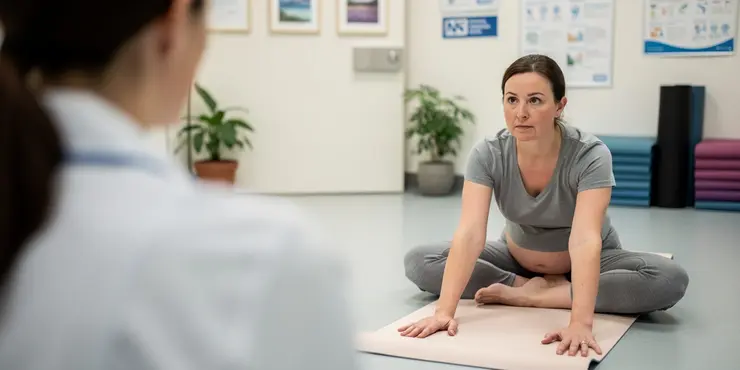
Regular physical activity is beneficial for mental health, including for those experiencing postnatal depression. Exercise releases endorphins, which are chemicals in the brain that act as natural mood lifters. Engaging in activities like walking, swimming, or postnatal yoga can help mothers feel better physically and emotionally, even if it’s just for short periods each day.
Nutrition and Diet
Eating a well-balanced diet can positively influence mood and energy levels. Consuming adequate nutrients, such as omega-3 fatty acids, vitamins D and B, iron, and zinc, is important for mental health. A diet rich in whole grains, fruits, vegetables, lean proteins, and healthy fats can support recovery. Staying hydrated is also essential, as dehydration can affect concentration and mood.
Sleep and Rest
Sleep is critical for mental health, yet postnatal depression can interfere with the ability to get enough rest. Establishing a sleep routine and seeking help from family members or partners to care for the baby during the night can help new mothers get the rest they need. Even napping when the baby sleeps can be beneficial.
Social Support and Connections
Social support is invaluable for individuals facing postnatal depression. Connecting with other new mothers through support groups, local community centres, or online forums can provide a network of understanding and encouragement. Family and friends can also offer emotional support and practical help with childcare, providing the mother with much-needed breaks.
Mindfulness and Stress Management
Mindfulness practices, such as meditation or deep-breathing exercises, can reduce stress and improve mood. Taking time each day to focus on mindfulness can help mothers manage anxiety and promote a sense of calm. Additionally, identifying and reducing sources of stress can facilitate better mental health.
Conclusion
While lifestyle changes alone may not completely resolve postnatal depression, they can significantly support recovery by improving physical health, boosting mood, and fostering resilience. It's important for women experiencing postnatal depression to speak with healthcare providers to create a comprehensive treatment plan that includes lifestyle changes, therapy, and, if needed, medication. With the right support and interventions, recovery is achievable.
Understanding Postnatal Depression
Postnatal depression is when some mums feel very sad after having a baby. This can make them feel tired and worried, making it hard to look after themselves and the baby. In the UK, more than 1 out of every 10 mums feel this way in the first year after giving birth. It’s important to notice these feelings and ask for help to feel better.
The Role of Lifestyle Changes
Changing some parts of daily life can help mums feel better if they have postnatal depression. These changes work well with help from doctors or medicine. They can make you feel healthier and happier over time.
Exercise and Physical Activity
Moving your body is good for your mind. It helps lift your spirits if you're feeling low. Exercise makes special chemicals in your brain that make you feel happier. Doing things like walking, swimming, or yoga can help mums feel better in their body and mind, even if it’s just a little bit each day.
Nutrition and Diet
Eating good food can help you feel better and give you more energy. Foods like fish, vegetables, fruits, and whole grains are good for your mood. Drinking enough water is important too, as being thirsty can make you feel tired and grumpy.
Sleep and Rest
Getting enough sleep is very important for feeling good in your mind. But postnatal depression can make it hard to rest. Setting up a routine for bedtime and getting help from family at night can help. Even short naps when the baby is sleeping can help you feel refreshed.
Social Support and Connections
Having people around you is really helpful when you feel sad after having a baby. Joining groups with other new mums or talking to friends and family can give you support. They can also help you with the baby, giving you some time to rest or relax.
Mindfulness and Stress Management
Being mindful means taking time to relax and not think about worries. Doing simple things like breathing exercises or meditation can help you feel calm. Finding ways to lower stress helps keep your mind healthy.
Conclusion
These changes in daily life can help you feel better and stronger if you have postnatal depression. It’s important to talk to doctors for more help. They can make a plan that might include things like therapy or medication. With good support, mums can feel better and enjoy their time with the baby.
Frequently Asked Questions
Postnatal depression is a type of depression that can affect parents after childbirth. It can appear any time during the first year after the baby is born.
Yes, lifestyle changes such as regular exercise, proper nutrition, sufficient sleep, and stress management can help alleviate symptoms of postnatal depression.
Gentle exercises like walking, yoga, and swimming can be beneficial. It's important to start slowly and gradually increase the intensity as recommended by a healthcare professional.
A balanced diet can help stabilize mood and energy levels, which can assist in managing symptoms of postnatal depression.
Adequate sleep can improve mood and cognitive function, which is critical for managing postnatal depression. Sleep deprivation can worsen symptoms.
Yes, having a strong network of family and friends can provide emotional support and help lighten the load, which can ease symptoms of postnatal depression.
Counseling or therapy provides a safe space to talk about feelings and develop coping strategies, which can help in managing postnatal depression.
Reducing stress through relaxation techniques such as deep breathing, meditation, or hobbies can help improve mood and reduce symptoms of postnatal depression.
Yes, establishing a routine can provide structure and predictability, which can be comforting and help improve mood.
Connecting with other parents can reduce feelings of isolation and provide support and practical advice, which can be beneficial for managing postnatal depression.
Reducing alcohol and caffeine can lead to more stable moods and improved sleep, both of which can help reduce symptoms of postnatal depression.
Yes, mindfulness and meditation can help reduce stress and anxiety, improve emotional regulation, and enhance overall well-being, which can assist in managing postnatal depression.
Yes, it is important to consult a healthcare professional before starting any new lifestyle changes or treatments to ensure they're safe and appropriate for your situation.
Engaging in creative activities like art, music, or writing can be therapeutic and provide an emotional outlet, which can help reduce symptoms of postnatal depression.
Self-care is crucial as it involves taking time to recharge and focus on personal needs, which can significantly impact mental health and help manage postnatal depression.
Incorporating foods rich in omega-3 fatty acids, vitamins, and minerals, such as fish, nuts, fruits, and vegetables, can support brain health and mood regulation.
Feeling guilty is a common emotion among those with postnatal depression, but it’s important to understand that postnatal depression is a medical condition and seeking help is the best course of action.
Spending time outdoors, especially in natural settings, can boost mood and reduce stress, contributing to improved mental health in those with postnatal depression.
Monitoring changes in mood, energy levels, and general outlook on life can help determine the effectiveness of lifestyle changes. Regular check-ins with a healthcare professional can also provide insight.
If lifestyle changes are not sufficient, it's important to consult a healthcare provider. Additional treatment options may include medication, therapy, or support groups.
Postnatal depression is a sad feeling some parents get after their baby is born. It can happen during the first year after the baby arrives.
Yes, changing how you live can help if you feel sad after having a baby. Try to: get regular exercise, eat healthy food, get enough sleep, and find ways to relax and not feel stressed.
Doing easy exercises like walking, yoga, and swimming can be good for you. Start slowly and do more little by little, just like your doctor says.
Eating healthy food can help you feel better and have more energy. This can help if you feel sad after having a baby.
Getting enough sleep helps you feel better and think clearly. This is very important for new moms who feel sad after having a baby. Not sleeping enough can make these feelings worse.
Yes, having your family and friends around can really help. They can make you feel better and help you feel less sad after having a baby.
Talking to a counselor or therapist can help you if you feel sad after having a baby. They give you a safe place to talk about your feelings. They can also teach you ways to feel better.
Doing things to help you relax, like deep breathing, meditation, or fun hobbies, can make you feel better and help with postnatal depression.
Yes, having a routine can make things feel safe and help you feel happier.
Talking to other parents can help you feel less alone. They can also give you help and tips. This can make it easier to deal with feeling sad after having a baby.
Drinking less alcohol and caffeine can help you feel better and sleep better. This can also help if you feel sad after having a baby.
Yes, mindfulness and meditation can help you feel less stressed and worried. They can help you manage your feelings better and feel happier. This can help moms who feel sad after having a baby.
Yes, it is important to talk to a doctor or nurse before you start anything new for your health. This makes sure it is safe and right for you.
Doing fun things like drawing, playing music, or writing can help you feel better. These activities let you express your feelings and can help if you are feeling sad after having a baby.
Taking care of yourself is very important. It means spending time to rest and do things you need. This helps your mind feel better and can help if you feel sad after having a baby.
Eating foods like fish, nuts, fruits, and vegetables is good for your brain. These foods help keep your brain healthy and can make you feel better.
Feeling guilty is normal for people with postnatal depression. But remember, postnatal depression is a medical problem. Getting help from a doctor or talking to someone is the best thing to do.
Going outside, especially to places with lots of nature, can make you feel happier and less stressed. This can help people who feel very sad after having a baby.
Watching how you feel can help you see if changes in your life are helping. Pay attention to your mood, energy, and how you see life. Talking to a doctor regularly can also give you good advice.
If changing the way you live is not enough, talk to a doctor. They can help you with medicine, talking therapy, or support groups.

Ergsy Search Results
This website offers general information and is not a substitute for professional advice.
Always seek guidance from qualified professionals.
If you have any medical concerns or need urgent help, contact a healthcare professional or emergency services immediately.
Some of this content was generated with AI assistance. We've done our best to keep it accurate, helpful, and human-friendly.
- Ergsy carefully checks the information in the videos we provide here.
- Videos shown by Youtube after a video has completed, have NOT been reviewed by ERGSY.
- To view, click the arrow in centre of video.
- Most of the videos you find here will have subtitles and/or closed captions available.
- You may need to turn these on, and choose your preferred language.
- Go to the video you'd like to watch.
- If closed captions (CC) are available, settings will be visible on the bottom right of the video player.
- To turn on Captions, click settings.
- To turn off Captions, click settings again.