
Get Answers
Can you give feedback about a police traffic stop?
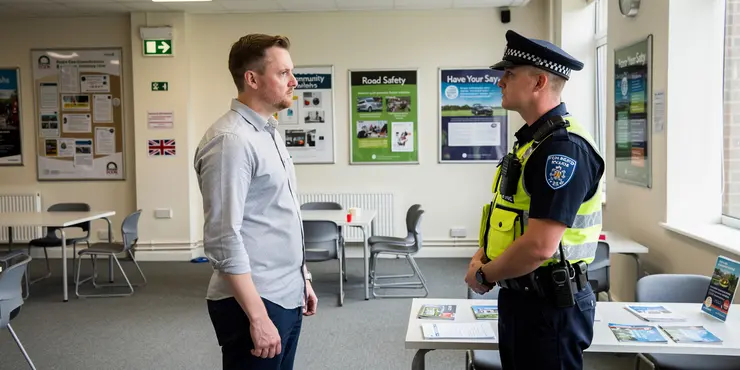
Yes. In the UK, you can usually submit feedback about a traffic stop if you feel it was handled well or badly. This may include complaints, compliments, or concerns about officer behaviour, communication, or the way the stop was carried out.
Local police forces often welcome feedback because it can help improve training and public trust. If the stop involved something more serious, such as unfair treatment or misconduct, you may be able to make a formal complaint.
How to submit feedback
The easiest way is often through the police force’s website. Most forces have an online complaints or contact form, and some also provide telephone numbers, email addresses, or postal options.
You can also ask at a police station if you prefer to speak to someone in person. If you are giving feedback about a specific stop, it helps to include the date, time, location, vehicle details, and the officers’ collar numbers if you have them.
What kind of feedback can be useful?
Useful feedback can cover whether the officers were polite, clear, and professional. It can also mention whether you were given a proper explanation for the stop and whether the process felt fair and respectful.
If you think the stop was excellent, a compliment can be just as valuable as a complaint. Positive feedback helps police forces understand what good practice looks like and can encourage it across the team.
What if you want to complain?
If you believe the stop involved discrimination, unnecessary force, rude behaviour, or any other serious issue, you can make a complaint. Each police force has a complaints process, and your concern may be reviewed by the force itself or an independent body in some cases.
You do not need to be certain about the legal details before raising a concern. Just explain what happened in your own words and include as much detail as you can remember.
What happens next?
After you submit feedback, the police force may acknowledge it and decide whether further action is needed. For simple feedback, you may not receive a full investigation, but your comments can still be recorded and used internally.
If you make a formal complaint, you may be contacted for more information. You should receive an outcome or an update within a reasonable time, though the process can vary between forces.
Tips for giving clear feedback
Stay factual and include specific details rather than general statements where possible. It is best to say what happened, when it happened, and why it concerned you.
Keep a copy of what you send. If the issue was urgent or serious, note any witnesses and any reference number you are given, as this may help if you need to follow up later.
Frequently Asked Questions
Local police force feedback about traffic stops is information gathered from residents, drivers, and community members about their experiences during traffic stops. It is collected to help police improve professionalism, transparency, public safety, and community trust.
Someone can usually submit local police force feedback about traffic stops through an online form, phone line, email address, in-person police station visit, community meeting, or official complaint and compliment system, depending on the police department.
Anyone who has had an experience or direct observation related to local police force feedback about traffic stops can provide input, including drivers, passengers, pedestrians, business owners, and witnesses, subject to the rules of the local department.
Most useful local police force feedback about traffic stops includes specific details about what happened, when and where it occurred, how officers communicated, whether procedures were clear, and whether the interaction felt respectful, safe, and fair.
Local police force feedback about traffic stops may be anonymous in some jurisdictions, but not all systems offer anonymity. The available options depend on the local police department’s policies and the method used to submit the feedback.
Local police force feedback about traffic stops is typically reviewed by supervisors, internal affairs staff, community liaison teams, or data analysts who look for patterns, policy issues, training needs, and urgent concerns that require follow-up.
After someone submits local police force feedback about traffic stops, the department may log the report, acknowledge receipt, investigate if needed, contact the person for more information, and use the feedback for training, supervision, or policy review.
Yes, local police force feedback about traffic stops can lead to an investigation if it includes allegations of misconduct, excessive force, discrimination, unlawful behavior, or other serious concerns that require review under department procedures.
Local police force feedback about traffic stops can highlight communication problems, safety concerns, bias issues, and de-escalation needs, allowing departments to adjust training so officers handle stops more professionally and effectively.
Effective local police force feedback about traffic stops should include the date, time, location, badge number if known, vehicle description, what was said and done, names of witnesses if available, and a clear description of the concern or praise.
Local police force feedback about traffic stops can help identify patterns of racial profiling by revealing disparities in stop experiences, officer behavior, and outcomes. Departments can then use the feedback to improve oversight, training, and accountability.
Yes, local police force feedback about traffic stops can include compliments as well as complaints. Positive feedback helps departments recognize officers who demonstrate courtesy, restraint, fairness, and effective communication during stops.
Local police force feedback about traffic stops supports community trust by giving residents a voice, showing that the department listens, and creating opportunities to address concerns, explain procedures, and improve future interactions.
Yes, local police force feedback about traffic stops can inform policy changes when repeated comments reveal problems with stop procedures, communication standards, body-worn camera use, citation practices, or complaint handling.
Privacy protections for local police force feedback about traffic stops depend on local law and department policy. Many systems limit access to personal information, redact sensitive details, and share only what is necessary for review or investigation.
The response time for local police force feedback about traffic stops varies by department and case complexity. Simple acknowledgments may arrive quickly, while investigations or formal reviews can take days, weeks, or longer.
Yes, local police force feedback about traffic stops can be used to report misconduct if someone believes an officer acted improperly, violated policy, or treated someone unfairly during a stop.
Residents can usually find the official channel for local police force feedback about traffic stops on the police department website, city government website, non-emergency phone number, community outreach materials, or at a local station.
If local police force feedback about traffic stops involves an emergency or immediate danger, the person should call emergency services right away instead of waiting to submit feedback through a standard review channel.
Local police force feedback about traffic stops can be used to evaluate fairness by comparing experiences across communities, reviewing patterns in stop reasons and outcomes, and identifying whether officers are applying rules consistently and respectfully.

Ergsy Search Results
This website offers general information and is not a substitute for professional advice.
Always seek guidance from qualified professionals.
If you have any medical concerns or need urgent help, contact a healthcare professional or emergency services immediately.
Some of this content was generated with AI assistance. We've done our best to keep it accurate, helpful, and human-friendly.
- Ergsy carefully checks the information in the videos we provide here.
- Videos shown by Youtube after a video has completed, have NOT been reviewed by ERGSY.
- To view, click the arrow in centre of video.
- Most of the videos you find here will have subtitles and/or closed captions available.
- You may need to turn these on, and choose your preferred language.
- Go to the video you'd like to watch.
- If closed captions (CC) are available, settings will be visible on the bottom right of the video player.
- To turn on Captions, click settings.
- To turn off Captions, click settings again.