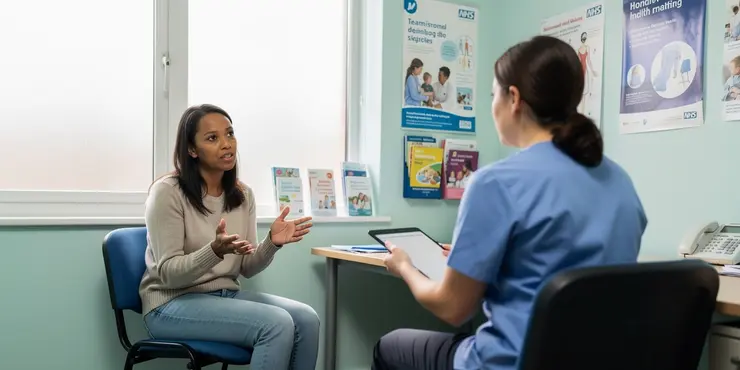

Speak To An Expert
Get clear, personalised advice for your situation.
Jot down a few questions to make the most of your conversation.
Understanding Postnatal Depression
Postnatal depression (PND) is a type of mood disorder associated with childbirth, affecting both sexes but more commonly women. The condition is characterized by feelings of extreme sadness, anxiety, and exhaustion that may interfere with a woman's ability to care for herself or her family. It's estimated that around 10-15% of new mothers in the UK experience postnatal depression, making it a significant public health concern.
Impact on Subsequent Pregnancies
Women who have experienced postnatal depression may worry about its impact on future pregnancies. Research indicates that having had postnatal depression can increase the risk of recurrence in subsequent pregnancies. Studies suggest that the risk of experiencing postnatal depression again is about 20-50% if a woman has had it in the past. This increased risk underscores the importance of being aware of mental health history and discussing it with healthcare providers when planning another pregnancy.
Psychological and Emotional Considerations
The experience of postnatal depression can influence a woman's psychological state during subsequent pregnancies. Anxiety about the possibility of recurrence can contribute to higher stress levels. This stress may be compounded by the demands of caring for existing children while managing the physical and emotional challenges of a new pregnancy. Mothers may benefit from psychological support and counselling to address these concerns proactively.
Medical Support and Preventive Measures
Healthcare providers play a crucial role in supporting women with a history of postnatal depression. Early intervention and preventive care, such as regular check-ups and mental health screenings during pregnancy, can help manage symptoms effectively. Women are encouraged to openly communicate with their healthcare teams about any emotional changes they experience. There may also be discussions around potential therapeutic approaches, including cognitive behavioural therapy (CBT) and medication.
Support Networks and Resources
In the UK, a variety of resources and support networks are available for women who have experienced postnatal depression and are considering or are already pregnant again. Organisations such as the National Health Service (NHS), the Association for Post Natal Illness (APNI), and PANDAS Foundation offer valuable information and support services. Accessing these resources can provide emotional assistance and practical advice to manage both the joys and challenges of motherhood.
Conclusion
While postnatal depression can affect subsequent pregnancies, many women go on to have healthy and fulfilling experiences with careful planning and support. Understanding the potential for recurrence and taking proactive steps to manage mental health can significantly improve outcomes. With the right support, women can navigate the complexities of postnatal depression and enjoy their journey into motherhood.
Understanding Postnatal Depression
Postnatal depression (PND) is a feeling of deep sadness after having a baby. Both men and women can get it, but it is more common in women. It can make you feel really sad, worried, and very tired. These feelings can make it hard to look after yourself and your family. About 10-15 out of every 100 new mums in the UK have these feelings. So it's a big concern.
Impact on Future Pregnancies
Women who have felt postnatal depression might worry about their next babies. If you felt this way before, there is a chance you might feel it again. There is a 20-50% chance it could happen in your next pregnancy if it happened before. Knowing how you felt before is important. Talking to your doctor can help when planning to have another baby.
Feelings During the Next Pregnancy
Feeling postnatal depression can change how you feel in your next pregnancy. Worrying about feeling sad again can make you more stressed. Looking after other children and being pregnant can be tough. Talking to someone and getting support can really help manage these feelings.
How Doctors Can Help
Doctors and nurses can help women who have had postnatal depression. Regular check-ups and talking about your feelings in pregnancy can help with managing sadness. It's important to tell your doctor how you are feeling. Different treatments, like talking therapy or medicines, might help too.
Getting Help and Support
In the UK, there are lots of places to help women with postnatal depression. Groups like the NHS, the Association for Post Natal Illness (APNI), and the PANDAS Foundation have helpful information. They can support you with advice and help you with being a mum.
Conclusion
Even if you had postnatal depression, with planning and support, future pregnancies can still be happy. Knowing it might happen and getting help early can make things better. With the right support, women can enjoy being mums and take good care of their babies.
Frequently Asked Questions
Yes, experiencing postnatal depression can potentially impact future pregnancies, both emotionally and psychologically.
Common symptoms include feelings of sadness, anxiety, fatigue, and changes in sleeping or eating patterns.
Yes, women who have experienced postnatal depression may be at a higher risk of experiencing it again in future pregnancies.
Couples may hesitate to plan another pregnancy due to concerns about the recurrence of depression or its impact on family dynamics.
Preventive measures include therapy, counseling, medication, and support groups to manage stress and emotional changes.
Yes, counseling can be beneficial in providing strategies to cope with stress and emotional challenges during future pregnancies.
Medication can be an option, but it's important to consult a healthcare provider to tailor safe and effective treatments.
Partners can provide emotional support, help with childcare, and encourage seeking professional help when necessary.
While prenatal depression itself may not directly affect the baby's health, it can impact prenatal care and maternal well-being.
Healthy lifestyle choices such as regular exercise, a balanced diet, and adequate rest can help manage depression risks.
Yes, many support groups are available both online and in-person for women facing these challenges.
Healthcare providers can offer screenings, resources, and treatment plans to support mental health during and after pregnancy.
Therapy can help address anxiety by providing coping strategies and reducing fears associated with future pregnancies.
Postnatal depression can have long-term effects on mental health, but with proper treatment, many women recover fully.
Yes, it's common to feel anxious due to concerns about recurrence and managing potential depression during another pregnancy.
Yes, stress can contribute to the development of postnatal depression, making stress management important in future pregnancies.
Warning signs include persistent sadness, lack of interest in activities, fatigue, and changes in appetite or sleep patterns.
A diet rich in omega-3 fatty acids, vitamins, and minerals can support mental health and potentially reduce depression risk.
Early intervention through screenings and professional help can mitigate symptoms and improve recovery outcomes.
Untreated depression can lead to difficulty in bonding with the baby, increased stress, and impact family relationships negatively.
After having a baby, some people feel very sad. This is called postnatal depression. Feeling like this can change how you feel during another pregnancy later. It can make your feelings and thoughts different.
Common signs are feeling sad, worried, or tired. You might also notice changes in how you sleep or eat.
Yes, if a woman had postnatal depression before, she might have it again in future pregnancies.
Couples might feel worried about having another baby because they are scared the mother might get sad again, or that it could change how the family gets along.
To feel better and handle stress, you can try talking to a helper (like in therapy or counseling), taking medicine, or joining a group where you talk and share with others. These things can help you feel calm and happy.
Yes, talking to someone can help. They can give you ways to handle stress and feelings when you are pregnant again.
Medicine can help, but it is important to talk to a doctor to find out what is safe and works best for you.
Partners can help by giving hugs and being nice. They can also help take care of the kids and tell you to see a doctor if you need it.
Feeling sad or worried during pregnancy might not hurt the baby right away. But it can make it harder for moms to take care of themselves and their baby before birth.
Staying healthy can help you feel less sad.
You can do things like:
- Exercise often
- Eat healthy food
- Get enough sleep
Yes, there are lots of groups that can help women both online and in-person.
Doctors and nurses can help by checking how you feel, giving helpful information, and making a plan if you need help with your feelings during and after having a baby.
Talking to a therapist can help if you feel scared or worried. They can teach you ways to feel better and worry less about having a baby in the future.
After having a baby, some mums feel very sad. This is called postnatal depression. It can affect how you feel for a long time.
But if you get help and the right treatment, you can feel better. Many mums feel good again.
Talking to a doctor or counselor is important. They can give you the right support. Friends and family can help too.
Some tools that might help include:
- Relaxation techniques like deep breathing.
- Doing gentle exercise like walking.
- Keeping a diary to write down your feelings.
- Using apps or listening to calming music.
It's normal to feel worried. You might be scared that something could go wrong again or worried about feeling sad if you have another baby.
Yes, stress can make postnatal depression worse. It is important to handle stress well if you plan to have more babies.
If you feel sad all the time, don't like doing fun things, feel very tired, or notice changes in how much you eat or sleep, these could be warning signs.
Eating foods with omega-3s, vitamins, and minerals can help keep your mind healthy. These foods might also help you feel less sad.
Getting help early can make things better. It means talking to a doctor or getting checked to see if you need help. This can make you feel better and help you get well faster.
When depression is not treated, it can make it hard for a parent to connect with their baby. It can cause more stress and make family relationships worse.

Ergsy Search Results
This website offers general information and is not a substitute for professional advice.
Always seek guidance from qualified professionals.
If you have any medical concerns or need urgent help, contact a healthcare professional or emergency services immediately.
Some of this content was generated with AI assistance. We've done our best to keep it accurate, helpful, and human-friendly.
- Ergsy carefully checks the information in the videos we provide here.
- Videos shown by Youtube after a video has completed, have NOT been reviewed by ERGSY.
- To view, click the arrow in centre of video.
- Most of the videos you find here will have subtitles and/or closed captions available.
- You may need to turn these on, and choose your preferred language.
- Go to the video you'd like to watch.
- If closed captions (CC) are available, settings will be visible on the bottom right of the video player.
- To turn on Captions, click settings.
- To turn off Captions, click settings again.