
Get Answers
Introduction
The dangers of staying in a car during a heatwave are significant and can be life-threatening. Cars can rapidly become overheated, posing serious health risks to individuals inside. This is particularly relevant during the increasingly hot summers experienced in the UK. It is vital to understand how heatwaves affect car interiors and what dangers they present.
How Cars Overheat
When a car is parked in direct sunlight, it can turn into a furnace rather quickly. The glass windows act like a greenhouse, trapping heat inside. Even on a relatively mild day with temperatures around 21°C, the interior of a car can reach over 40°C within an hour. During a heatwave, these temperatures can rise even faster and reach deadly levels, often exceeding 50°C in a short time frame.
Health Risks
The elevated temperatures inside a vehicle can lead to heat-related illnesses such as heat exhaustion and heat stroke. Heat stroke is a life-threatening condition where the body’s temperature rises above 40°C, leading to symptoms like confusion, rapid heart rate, and even loss of consciousness. Children, the elderly, and pets are especially vulnerable as their bodies are less efficient at regulating temperature.
Understanding the Risks to Children
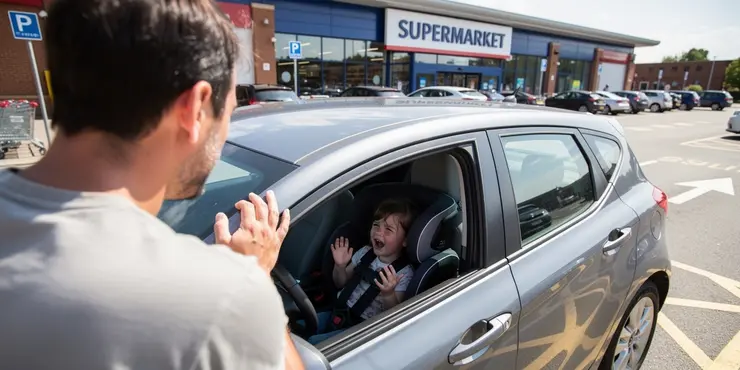
Children are particularly susceptible to heat-related dangers in cars because their bodies heat up three to five times faster than adults’. During a heatwave, even short periods left unattended in a car can result in severe complications or death. This presents a significant risk for even the most vigilant of parents who might underestimate the rapid temperature increase inside a vehicle.
Legal and Safety Advice
In the UK, leaving children or pets in a hot car can result in prosecution. In light of frequent warnings from authorities such as the Royal Society for the Prevention of Accidents, it is advised never to leave anyone in a parked vehicle during warm weather, even if the windows are slightly open or if the car is parked in shade.
Preventive Measures
To prevent vehicular heatstroke, it is crucial to check that everyone is out of the car before locking it and to keep the vehicle locked while not in use to prevent children from inadvertently trapping themselves inside. Public awareness campaigns often emphasize the importance of “Look Before You Lock” to remind drivers to check the backseat before leaving their vehicle.
Conclusion
Staying in a car during a heatwave poses significant dangers due to the rapid and extreme temperature increases inside. Awareness and caution are essential to prevent tragic incidents. Understanding the risks and taking proactive measures can save lives and ensure that the heatwave season is navigated safely. Always prioritize health and safety and never underestimate the dangers associated with heat in enclosed vehicles.
Introduction
Staying in a car during hot weather can be very dangerous. Cars can get too hot inside very quickly, which can make people very sick or even be life-threatening. This is important to know because summers are getting hotter in the UK. It's important to understand why cars get so hot and what can happen if they do.
How Cars Overheat
When a car is in the sun, it can get really hot inside. The windows let the sun in but don't let the heat out. Even if it's only 21°C outside, the inside of the car can get over 40°C in an hour. In a heatwave, it can get even hotter, over 50°C, very quickly.
Health Risks
If a car gets too hot inside, it can make people very sick. They could get heat exhaustion or heat stroke. Heat stroke is very serious. It can cause confusion, a fast heartbeat, and even make someone pass out. Children, older people, and pets are at higher risk because their bodies cannot cool down as well.
Understanding the Risks to Children
Children's bodies get hot three to five times faster than adults. In a heatwave, it is very dangerous for a child to be left alone in a car, even for a short time. Their body temperature can go up quickly, which can be very serious or even lead to death.
Legal and Safety Advice
In the UK, you can get in trouble with the law if you leave a child or pet in a hot car. Safety experts say you should never leave anyone in a parked car when it's warm, even if the windows are open or the car is in the shade.
Preventive Measures
To keep everyone safe, make sure everyone gets out of the car before you lock it. Keep the car locked so kids can't get in by themselves. Remind yourself to "Look Before You Lock" to ensure no one is left in the backseat.
Conclusion
Sitting in a car during a heatwave is very dangerous because the inside gets hot very quickly. Knowing what can happen and being careful can help prevent accidents. Always think about safety first and remember that heat in cars can be very dangerous.
Frequently Asked Questions
Cars can quickly heat up in the sun, reaching dangerous temperatures that can lead to heat-related illnesses or even death.
A car can heat up by 20°F (11°C) in just 10 minutes, even if it's not extremely hot outside.
Risks include heat exhaustion, heat stroke, dehydration, and in severe cases, it can be fatal.
Yes, children's bodies heat up 3 to 5 times faster than adults, making them more vulnerable to heat-related illnesses.
Cracking a window provides little to no relief, as it does not significantly decrease the temperature inside the car.
Darker colored cars tend to heat up more quickly than lighter colored ones, but all cars can reach dangerous temperatures.
Call emergency services immediately. Try to locate the driver if possible and stay with the vehicle until help arrives.
High temperatures increase the risk of losing fluids through sweating, leading to dehydration if fluids are not replaced.
Look for symptoms such as dizziness, nausea, headache, confusion, rapid pulse, and fainting.
No, pets should never be left in a car during a heatwave as they can quickly suffer from heat-related illnesses.
Start the engine, turn on the air conditioning, open the windows slightly, and drive around to help circulate the cooler air.
Park in shaded areas, use sunshades, leave doors open to ventilate before entering, and use reflective windshield covers.
Heat stroke is a severe heat-related illness where the body cannot regulate its temperature. It's life-threatening without immediate treatment.
Yes, it can result in legal consequences, including charges of negligence or endangerment.
Air conditioning can be less effective in extreme heat, especially if the system is not functioning properly.
Laws vary by region, but calling emergency services immediately is crucial. Some areas permit breaking a window if a life is in danger.
While it's generally safer with AC on, it can fail or become less effective, so it’s best to avoid sitting in a vehicle during extreme heat.
Yes, infants, young children, the elderly, and pets are more susceptible due to their body's inability to regulate temperature effectively.
Share information via social media, distribute flyers, and support awareness campaigns about the risks of leaving individuals or pets in hot vehicles.
Prolonged exposure to extreme heat can potentially lead to long-term health issues such as severe dehydration or organ damage.
Cars get very hot when parked in the sun. This can be very dangerous. It can make people sick or even cause death.
A car can get 20°F (11°C) hotter in only 10 minutes, even if it's not very hot outside.
Being too hot can make you very sick. This can include feeling very tired, getting heat stroke, or not having enough water in your body. In really bad cases, it can cause death.
Yes, children's bodies get hot 3 to 5 times faster than grown-ups. This makes kids more likely to get sick when it's hot.
Opening a window a little bit does not really help. It won’t make the car much cooler.
Dark cars get hot faster than light cars. But all cars can become very hot and unsafe.
Call for help right away. Try to find the driver if you can. Stay with the car until help comes.
When it gets hot, we sweat a lot. Sweating means our body loses water. If we don't drink enough water, we can get sick. Always remember to drink water when it's hot.
Watch out for signs like feeling dizzy, feeling sick in your tummy, having a headache, feeling mixed up, a fast heartbeat, and fainting.
No, never leave pets in a car when it is very hot. They can get sick from the heat really fast.
Start the car. Turn on the air conditioning. Open the windows a little bit. Drive around to let cool air move inside the car.
Park your car in a shady spot. Use a cover for the front window to keep the sun out. Before you get in the car, open the doors to let air in. This helps cool the car down.
Heat stroke is a serious health problem. It happens when your body gets too hot and can't cool down. It can be very dangerous if not treated right away.
Yes, it can cause legal problems. You might get in trouble for not being careful or for putting someone in danger.
When it is very hot outside, air conditioning might not work as well. This happens more if the air conditioner is broken or not working right.
Laws are different in each place, but it is very important to call 911 or emergency services right away. In some places, if someone is in big trouble and their life is in danger, you can break a window to help them.
It is safer to have the air conditioner (AC) on. But sometimes it might stop working or not work well. It is a good idea not to sit in a car when it is very hot outside.
Yes, babies, young kids, older people, and pets can get hot or cold more easily. This is because their bodies can't keep the right temperature very well.
Tell people on social media, hand out flyers, and help with campaigns that teach about the dangers of leaving people or pets in hot cars.
Being in very hot weather for a long time can make you very sick. It can make you lose too much water or hurt your body inside.

Ergsy Search Results
This website offers general information and is not a substitute for professional advice.
Always seek guidance from qualified professionals.
If you have any medical concerns or need urgent help, contact a healthcare professional or emergency services immediately.
Some of this content was generated with AI assistance. We've done our best to keep it accurate, helpful, and human-friendly.
- Ergsy carefully checks the information in the videos we provide here.
- Videos shown by Youtube after a video has completed, have NOT been reviewed by ERGSY.
- To view, click the arrow in centre of video.
- Most of the videos you find here will have subtitles and/or closed captions available.
- You may need to turn these on, and choose your preferred language.
- Go to the video you'd like to watch.
- If closed captions (CC) are available, settings will be visible on the bottom right of the video player.
- To turn on Captions, click settings.
- To turn off Captions, click settings again.