
Find Help
More Items From Ergsy search
-
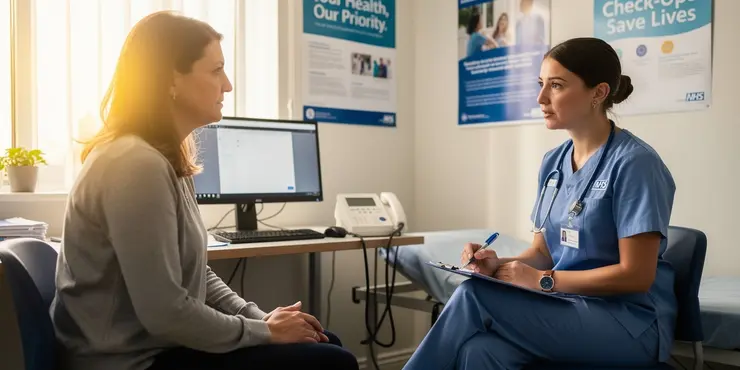
Can the test be performed during my menstrual period?
Relevance: 100%
-

Will the test affect my menstrual cycle?
Relevance: 80%
-

Heavy periods (heavy menstrual bleeding)
Relevance: 53%
-

What is the Womb Lining test?
Relevance: 48%
-

What you need to know about irregular periods
Relevance: 48%
-

When should I take a pregnancy test?
Relevance: 46%
-

Can stress affect a pregnancy test result?
Relevance: 45%
-

Can I use Ibuprofen for menstrual pain?
Relevance: 42%
-
How should I prepare for a womb lining test?
Relevance: 42%
-

What is a pregnancy test?
Relevance: 42%

-

What should I do if I get unclear results on a pregnancy test?
Relevance: 41%
-

Why is a womb lining test performed?
Relevance: 40%
-
Is the womb lining test painful?
Relevance: 40%
-

How soon can a pregnancy test detect pregnancy?
Relevance: 39%
-

What is a CA-125 test?
Relevance: 39%
-

Irregular periods - BSL
Relevance: 38%
-

Vaginal Swab test for Gonorrhoea and Chlamydia
Relevance: 38%
-

Sexual Health - HIV Testing
Relevance: 37%
-

How is the womb lining test performed?
Relevance: 37%
-

Can medications affect pregnancy test results?
Relevance: 37%
-

What if my pregnancy test is negative and I still think I'm pregnant?
Relevance: 37%
-

Period pain (dysmenorrhoea) - BSL
Relevance: 36%
-
What is the womb lining test?
Relevance: 36%
-

What are the different types of pregnancy tests?
Relevance: 36%
-

How to deal with period pain | NHS
Relevance: 35%
-
Should women take cognitive tests during menopause?
Relevance: 35%
-

What if my pregnancy test is positive?
Relevance: 35%
-
How is a womb lining test conducted?
Relevance: 35%
-
Are there any risks associated with the womb lining test?
Relevance: 35%
-

How does a pregnancy test work?
Relevance: 35%
-

Are there risks associated with a womb lining test?
Relevance: 35%
-
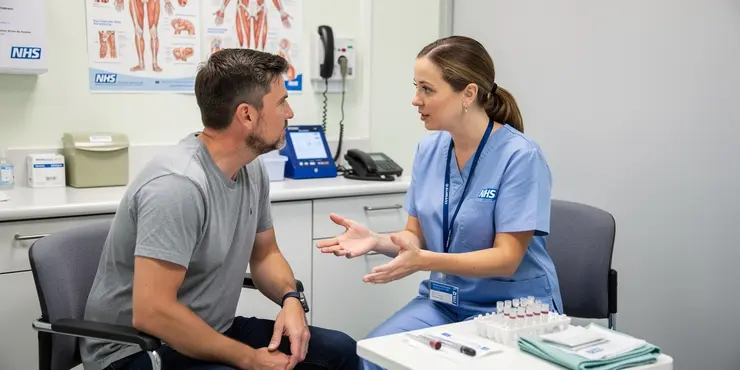
Having a blood test
Relevance: 34%
-

Is a womb lining test painful?
Relevance: 34%
-
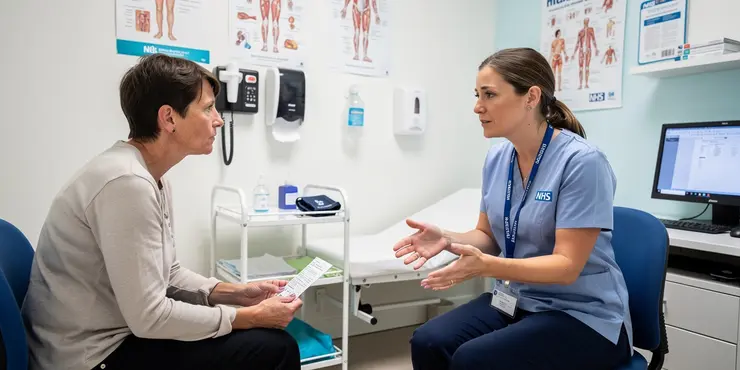
What can cause a false positive pregnancy test?
Relevance: 34%
-

How to deal with period pain | NHS
Relevance: 34%
-
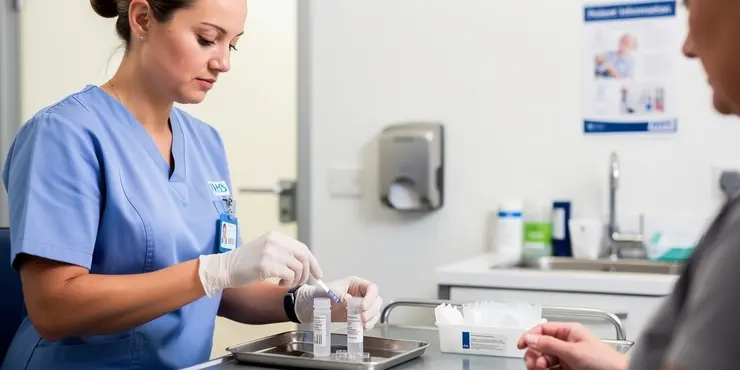
Urine test for Gonorrhoea and Chlamydia
Relevance: 34%
-

Does the womb lining test require any special preparation?
Relevance: 33%
-
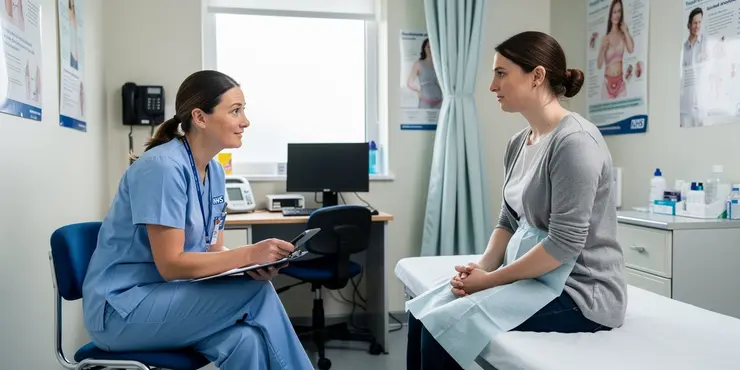
What happens after a womb lining test?
Relevance: 33%
-

Are digital pregnancy tests more accurate than non-digital tests?
Relevance: 33%
-

Can a pregnancy test detect a miscarriage?
Relevance: 33%
Can the Test Be Performed During My Menstrual Period?
Introduction
When scheduling medical tests, many women wonder if their menstrual period will affect the test’s results or if it will be possible to conduct the test during this time. This is a common concern for those undergoing routine screenings or experiencing symptoms that require medical evaluation. In the UK, understanding whether you can proceed with tests during menstruation is crucial, as it could impact when you seek care and how you prepare for your appointment.Types of Tests
Some medical tests require specific timing in relation to your menstrual cycle, while others can be performed regardless of menstruation.Tests Affected by Menstruation
1. **Pap Smear:** It is generally advised to avoid scheduling a Pap smear during your period. Blood and menstrual fluids can interfere with the test’s accuracy, making it harder to detect abnormal cells or HPV. The NHS recommends having a smear test when you are not bleeding, ideally between 10 to 20 days after the start of your last period. 2. **Pelvic Exam:** Although a pelvic exam can technically be done during menstruation, some healthcare providers prefer to conduct them when you are not bleeding. This preference is mainly for comfort and to improve the visibility of the examination area. 3. **Urine Tests:** Menstrual blood can contaminate urine samples, potentially leading to inaccurate results. If possible, schedule a urine test when you are not on your period.Tests Unaffected by Menstruation
1. **Blood Tests:** Most blood tests are not affected by menstruation. However, if the test is related to hormone levels, your doctor may want to time it according to your cycle for more accurate readings. 2. **Imaging Tests:** Tests such as X-rays, ultrasounds, and MRIs can typically be performed during menstruation without any issues.Consulting Your Healthcare Provider
If you have a test scheduled that may be affected by your menstrual period, it’s best to consult your healthcare provider. They can give you specific advice on whether rescheduling is necessary and how to best prepare for the procedure if it needs to be done during menstruation. Always communicate your cycle details with your healthcare provider to ensure accurate results and a comfortable experience.Conclusion
In the UK, the decision to perform medical tests during your menstrual period largely depends on the type of test and the guidelines provided by your healthcare provider. Pap smears and urine tests are best conducted when you are not menstruating, whereas blood and most imaging tests remain unaffected. It's vital to consult with your healthcare provider regarding the timing of your tests to ensure accurate results and necessary accommodations.Can the Test Be Done During My Period?
Introduction
Sometimes, when you need a medical test, you might wonder if having your period will change the results. It's a common worry when you have regular check-ups or feel unwell and need tests. In the UK, knowing if you can have tests while on your period is important. It helps you know when to go to the doctor and get ready for the visit.Types of Tests
Some tests need to be done at a certain time in your cycle, but others can be done anytime.Tests That Might Change with Your Period
1. **Pap Smear:** Try not to have this test during your period. Blood can make it hard to see if there are any problems. The NHS says it’s best to do this test 10 to 20 days after your period starts. 2. **Pelvic Exam:** You can have this exam on your period, but some doctors like to do it when you’re not bleeding. This can make it easier and more comfortable. 3. **Urine Tests:** Blood from your period can mix with pee and make the test wrong. It’s better to do this test when you’re not on your period.Tests That Are Okay on Your Period
1. **Blood Tests:** Most blood tests work fine when you’re on your period. But if the test is for hormone levels, the doctor might want to check at a certain time in your cycle. 2. **Imaging Tests:** Tests like X-rays, ultrasounds, and MRIs can be done when you’re on your period.Talk to Your Doctor
If your test might be affected by your period, talk to your doctor. They can tell you if you need to change the date and give tips on how to get ready. Always let the doctor know about your period for the best results and to feel more comfortable.Conclusion
In the UK, if you can have a test while on your period mostly depends on which test it is. Tests like Pap smears and urine tests should be done when you’re not bleeding, but blood and imaging tests are usually okay anytime. Talk to your doctor to know the best time for your tests.Frequently Asked Questions
Can I have a Pap smear during my menstrual period?
It is generally recommended to avoid having a Pap smear during your menstrual period, as the presence of blood may interfere with the results. If possible, schedule the test for a time when you are not menstruating.
Can I have a blood test during my period?
Yes, most blood tests can be performed during your menstrual period. However, certain hormone levels may be affected. Consult with your healthcare provider to determine the best timing for specific tests.
Is it okay to have an STI test during menstruation?
Yes, you can have an STI test during your period. However, it might be more comfortable to schedule the test on non-menstruating days if possible.
Can I undergo a pelvic ultrasound during my menstrual period?
A transabdominal pelvic ultrasound can be performed during your menstrual period, but it might not be ideal for certain assessments. A transvaginal ultrasound is usually scheduled when you are not menstruating unless it’s urgent.
Will my period affect a urine test?
Menstrual blood can contaminate a urine sample, potentially affecting the results. If possible, collect the sample when you are not on your period, or inform your healthcare provider if menstruation might interfere.
Can MRI scans be performed during menstruation?
Yes, an MRI scan can be performed during menstruation. Your period should not impact the scan results.
Is it possible to have a mammogram during my period?
It is possible, but many women find it more comfortable to schedule mammograms soon after their period when breasts are less tender.
Are fasting tests affected by menstruation?
Menstruation does not typically interfere with fasting tests, but if you're experiencing symptoms like dizziness, consult your healthcare provider.
Will menstruation impact a thyroid test?
Menstruation generally does not affect thyroid function tests, so they can be performed during your period.
Can a colonoscopy be performed during menstruation?
Yes, a colonoscopy can be performed during menstruation. Inform your doctor beforehand, but your period should not interfere with the procedure.
Is breast ultrasound ideal during menstruation?
Breast ultrasounds can be performed during menstruation, although some women might prefer to schedule the test when not on their period to avoid tenderness.
Can hormone tests be accurate during my period?
Certain hormone tests might be influenced by menstrual hormones. Consult with your healthcare provider for timing if you're having hormone-specific tests.
Can I have an allergy test if I'm on my period?
Menstruation should not affect an allergy test, so you can proceed as planned.
Can an ECG be done during menstruation?
Yes, an ECG can be performed during menstruation without any impact on the results.
Is dental work like X-rays safe during my period?
Yes, dental X-rays and other procedures can be safely performed without regard to menstrual cycle.
Can I have a Pap test during my period?
Is it okay to have a Pap test when I am on my period?
It is best not to have a Pap smear test when you have your period. Blood can change the test results. Try to plan the test for a time when you don't have your period.
Can I have a blood test while on my period?
Yes, you can have a blood test when you have your period. Your period should not stop you from doing a blood test.
Here are some tips to help you feel more comfortable:
- Tell the nurse or doctor you have your period.
- Wear comfy clothes.
- Drink water before the test.
- Bring a friend or family member if you feel nervous.
If you need help, ask the nurse or doctor questions. They are there to help you.
Yes, you can have most blood tests during your period. But some hormone levels might change. Talk to your doctor to find the best time for special tests.
Can I get an STI test when I have my period?
Yes, you can get an STI test when you have your period. But, it might feel better to do the test on days when you're not on your period if you can.
Can I have a pelvic ultrasound during my period?
A pelvic ultrasound is a picture of the inside of your tummy. You might wonder if you can have this test while you are on your period. It is okay to have the ultrasound during your period. The doctor can still see what they need.
If you feel uncomfortable or have questions, talk to your doctor or nurse. They can help you feel better about the test.
You can also bring someone you trust with you to the appointment. They can support you and help you feel safe.
You can have a transabdominal pelvic ultrasound when you have your period. But, it might not be the best time to see some things clearly. For a transvaginal ultrasound, it is usually done when you are not on your period unless it is very important.
Will my period change a pee test?
Sometimes, when a woman is on her period, blood can mix with a urine test. This can change the test results. If you can, try to do the urine test when you are not on your period. If you need to do the test while on your period, tell your doctor or nurse. They can help make sure the test is right.
Can you have an MRI scan during your period?
Yes, you can have an MRI scan when you have your period. It is safe.
If you feel worried or uncomfortable, talk to your doctor. They can help.
You can use a calendar or app to track your period. This can help you plan for the MRI.
You can have an MRI scan when you have your period. Having your period will not change the scan results.
Can I get a mammogram during my period?
A mammogram is a special picture of your breast. You might feel a bit sore during your period. It is okay to have a mammogram when you are on your period, but it might feel more uncomfortable. Try to pick a time when your breasts don’t feel sore.
It can help to wear a comfy top. You might want to take a friend for support.
Yes, you can. But many women think it feels better to have a mammogram right after their period. This is because their breasts are not as sore then.
Does having your period change a fasting test?
Having your period usually does not affect tests that need you to fast. But if you feel dizzy, talk to your doctor.
Will periods affect a thyroid test?
When you have your period (when you bleed each month), it won't change your thyroid test results.
Here are some things that can help you understand more:
- Ask a doctor or nurse if you have questions.
- Use a calendar to track when you have your period.
- Draw or use pictures to understand words better.
Your period doesn’t usually change thyroid tests. So, you can have these tests even when you have your period.
Can you have a colonoscopy while on your period?
Yes, you can have a colonoscopy when you have your period. Tell your doctor first, but your period should not cause any problems with the test.
Can you have a breast ultrasound during your period?
Having your period may not affect a breast ultrasound. It can still be done.
If you are unsure, you can:
- Ask your doctor for advice.
- Use a calendar to track your period and check what days are best for you.
Support tools:
- Talk to a friend or family member.
- Read information about ultrasounds on trusted websites.
You can have a breast ultrasound when you have your period. Some women might choose to do the test when they are not on their period because their breasts can feel sore.
Can hormone tests give correct results when I have my period?
Hormone tests check the levels of certain chemicals in your body. These chemicals help control how your body works.
When you have your period, your hormone levels can change. This means the test results might be different.
It is best to talk to your doctor. They can tell you when it is a good time to do the test.
Some people find tools like calendars or apps helpful to track their period. This can help you plan the best time for your test.
Certain tests check hormones in your body. These tests can be affected by the hormones in your period. Talk to your doctor about the best time to take these tests.
Can I get an allergy test while on my period?
Yes, you can have an allergy test when you have your period. Your period will not affect the allergy test.
Here's a tip: If you feel unwell on your period, it might help to have a friend or family member with you for support.
Using a simple calendar or reminder app can help you keep track of your period and any appointments you have, like an allergy test.
Having your period (menstruation) should not stop an allergy test. You can go ahead and have the test.
Can I have an ECG if I have my period?
Yes, you can have an ECG even if you have your period. It is safe and will work fine.
If you are worried, talk to your doctor or nurse. They can help explain things to you.
Use a calendar to keep track of your period dates and plan your ECG appointment if you want.
Yes, you can have an ECG test while on your period. Your period won't change the test results.
Is it safe to have dental work, like X-rays, during my period?
Yes, it is safe to visit the dentist and have work done, like X-rays, even if you are on your period. Your period does not affect this.
If you feel nervous, try these tips:
- Tell your dentist if you feel worried.
- Use breathing exercises to relax.
- Bring headphones to listen to calming music.
Yes, it is safe to have dental X-rays and other dental work at any time, even if you have your period.

Useful Links
This website offers general information and is not a substitute for professional advice.
Always seek guidance from qualified professionals.
If you have any medical concerns or need urgent help, contact a healthcare professional or emergency services immediately.
Some of this content was generated with AI assistance. We’ve done our best to keep it accurate, helpful, and human-friendly.
- Ergsy carfully checks the information in the videos we provide here.
- Videos shown by Youtube after a video has completed, have NOT been reviewed by ERGSY.
- To view, click the arrow in centre of video.
- Most of the videos you find here will have subtitles and/or closed captions available.
- You may need to turn these on, and choose your preferred language.
- Go to the video you'd like to watch.
- If closed captions (CC) are available, settings will be visible on the bottom right of the video player.
- To turn on Captions, click settings .
- To turn off Captions, click settings again.
More Items From Ergsy search
-
Can the test be performed during my menstrual period?
Relevance: 100%
-
Will the test affect my menstrual cycle?
Relevance: 80%
-
Heavy periods (heavy menstrual bleeding)
Relevance: 53%
-
What is the Womb Lining test?
Relevance: 48%
-
What you need to know about irregular periods
Relevance: 48%
-
When should I take a pregnancy test?
Relevance: 46%
-
Can stress affect a pregnancy test result?
Relevance: 45%
-
Can I use Ibuprofen for menstrual pain?
Relevance: 42%
-
How should I prepare for a womb lining test?
Relevance: 42%
-
What is a pregnancy test?
Relevance: 42%
-
What should I do if I get unclear results on a pregnancy test?
Relevance: 41%
-
Why is a womb lining test performed?
Relevance: 40%
-
Is the womb lining test painful?
Relevance: 40%
-
How soon can a pregnancy test detect pregnancy?
Relevance: 39%
-
What is a CA-125 test?
Relevance: 39%
-
Irregular periods - BSL
Relevance: 38%
-
Vaginal Swab test for Gonorrhoea and Chlamydia
Relevance: 38%
-
Sexual Health - HIV Testing
Relevance: 37%
-
How is the womb lining test performed?
Relevance: 37%
-
Can medications affect pregnancy test results?
Relevance: 37%
-
What if my pregnancy test is negative and I still think I'm pregnant?
Relevance: 37%
-
Period pain (dysmenorrhoea) - BSL
Relevance: 36%
-
What is the womb lining test?
Relevance: 36%
-
What are the different types of pregnancy tests?
Relevance: 36%
-
How to deal with period pain | NHS
Relevance: 35%
-
Should women take cognitive tests during menopause?
Relevance: 35%
-
What if my pregnancy test is positive?
Relevance: 35%
-
How is a womb lining test conducted?
Relevance: 35%
-
Are there any risks associated with the womb lining test?
Relevance: 35%
-
How does a pregnancy test work?
Relevance: 35%
-
Are there risks associated with a womb lining test?
Relevance: 35%
-
Having a blood test
Relevance: 34%
-
Is a womb lining test painful?
Relevance: 34%
-
What can cause a false positive pregnancy test?
Relevance: 34%
-
How to deal with period pain | NHS
Relevance: 34%
-
Urine test for Gonorrhoea and Chlamydia
Relevance: 34%
-
Does the womb lining test require any special preparation?
Relevance: 33%
-
What happens after a womb lining test?
Relevance: 33%
-
Are digital pregnancy tests more accurate than non-digital tests?
Relevance: 33%
-
Can a pregnancy test detect a miscarriage?
Relevance: 33%