
Find Help
More Items From Ergsy search
-
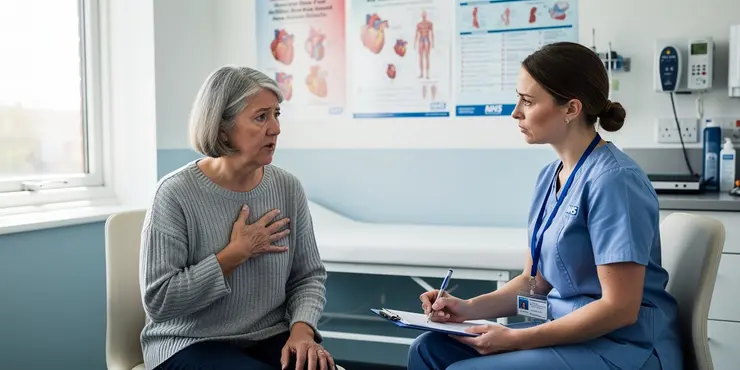
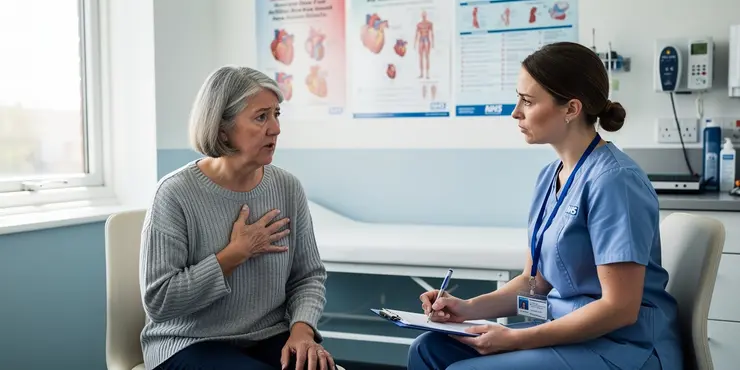
Can women have different heart attack symptoms than men?
Relevance: 100%
-
Heart Attack Stories | NHS
Relevance: 74%
-
Heart Attack Symptoms - Peter Dale (Tubes) | NHS - BSL version
Relevance: 72%
-

Heart Attack Symptoms - Peter Dale (Tubes) | NHS
Relevance: 72%
-
Heart Attack Stories | NHS
Relevance: 71%
-
Heart Attack Symptoms - Help Us Help You | NHS
Relevance: 71%
-
Can heart attack symptoms vary by age?
Relevance: 70%
-
Are heart attack symptoms different for people with diabetes?
Relevance: 67%
-
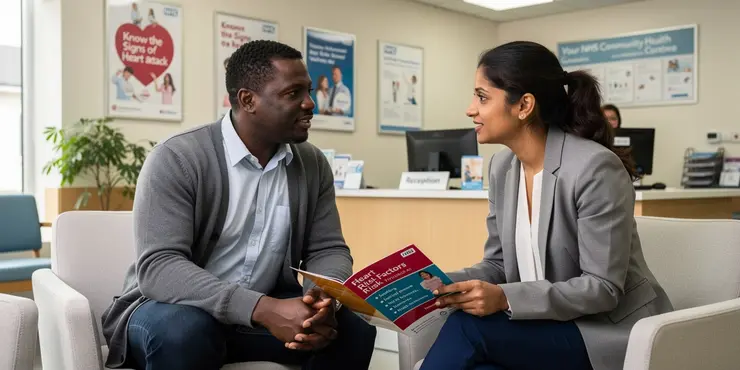
What are the risk factors for a heart attack?
Relevance: 66%
-
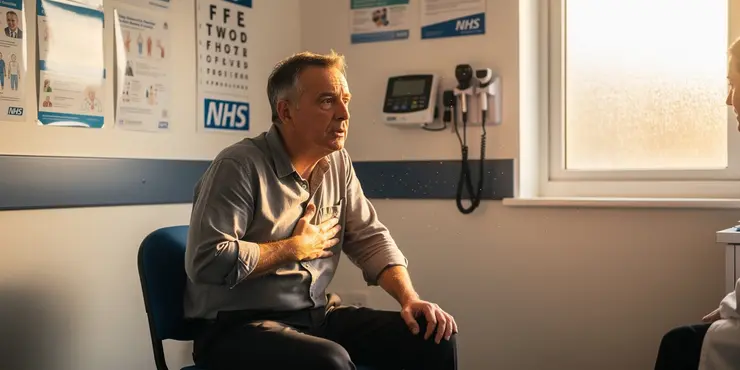
How long do heart attack symptoms usually continue?
Relevance: 65%

-
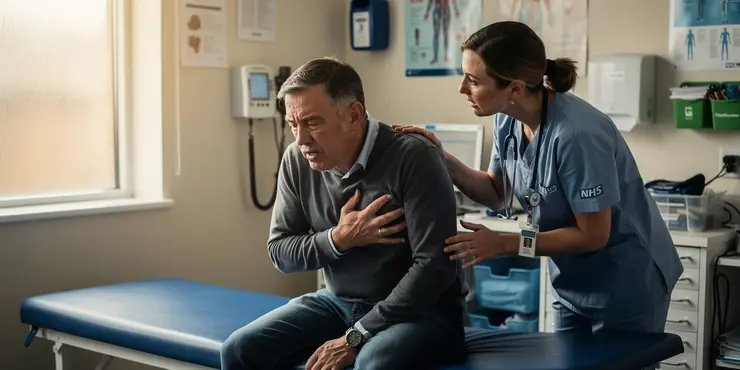
What should I do if I'm experiencing heart attack symptoms?
Relevance: 60%
-
Is it possible to have a heart attack without chest pain?
Relevance: 59%
-
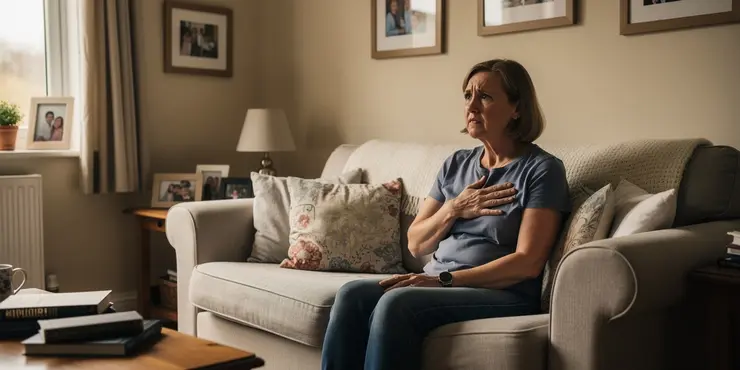
How can I differentiate between heartburn and a heart attack?
Relevance: 59%
-
What are the long-term effects of a heart attack?
Relevance: 55%
-
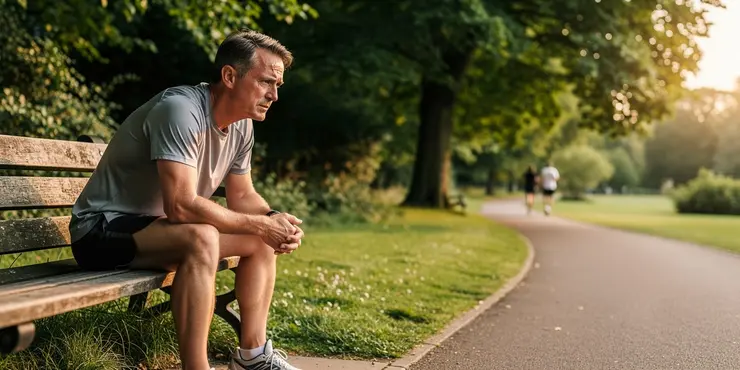
Can physical exertion trigger a heart attack?
Relevance: 55%
-
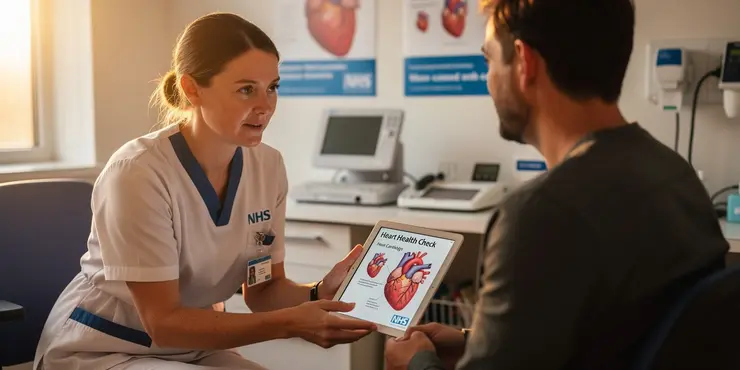
Is it possible to prevent a heart attack?
Relevance: 53%
-
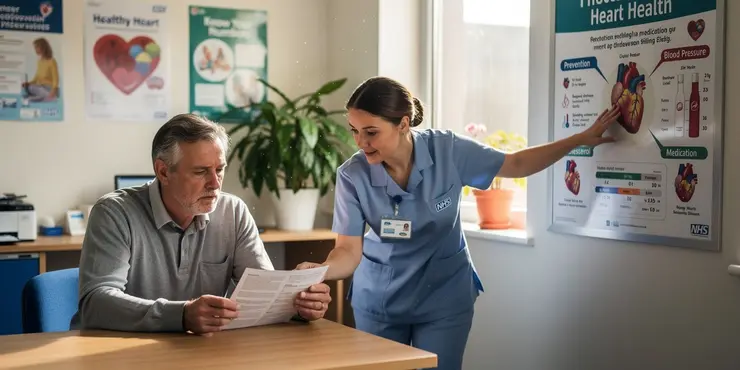
When should one start taking medication for heart attack prevention?
Relevance: 52%
-
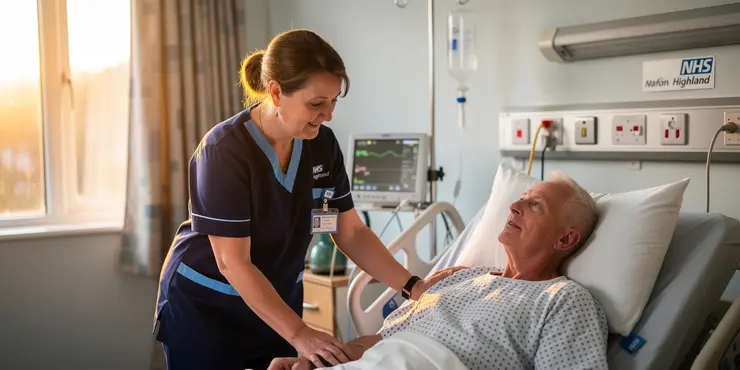
Heart attack care - Raigmore Hospital Inverness, NHS Highland
Relevance: 51%
-
Can HPV affect both men and women?
Relevance: 49%
-
What is the role of PCSK9 inhibitors in heart attack prevention?
Relevance: 49%
-
What drugs are commonly prescribed to reduce the risk of heart attacks?
Relevance: 48%
-
How do beta-blockers contribute to heart attack prevention?
Relevance: 47%
-
Do over-the-counter medications help in preventing heart attacks and strokes?
Relevance: 47%
-
Are men and women's pension ages equalized?
Relevance: 47%
-

What is the role of lifestyle modification in heart attack and stroke prevention?
Relevance: 45%
-
Do calcium channel blockers help in preventing heart attacks?
Relevance: 45%
-
Do all patients need medication to prevent heart attacks and strokes?
Relevance: 45%
-
Can diabetes medications also help reduce heart attack risk?
Relevance: 43%
-
Can men have mammograms?
Relevance: 42%
-
Heart Failure : Symptoms of heart failure
Relevance: 41%
-
Heart Failure : When the heart becomes stiff?
Relevance: 41%
-
Heart Failure : The normal heart
Relevance: 39%
-
Heart Failure : What is heart failure?
Relevance: 39%
-

Heart failure introduction
Relevance: 38%
-
BSL - How to deal with panic attacks
Relevance: 37%
-
Are there different types of heart failure?
Relevance: 37%
-
Heart Failure : Heart failure that cannot pump
Relevance: 37%
-
Men Don't Need to Know about Menopause | NHS 24
Relevance: 37%
-
The symptoms of gonorrhoea
Relevance: 36%
-
Are men at risk of having their drinks spiked?
Relevance: 35%
Introduction
Heart attacks can manifest differently in men and women, and being aware of these differences is crucial for timely medical intervention. Recognizing the unique symptoms that women may experience during a heart attack can lead to quicker diagnosis and treatment, potentially saving lives.
Typical Heart Attack Symptoms in Men
The classic image of a heart attack often includes a man clutching his chest in severe pain. While this chest pain, or angina, is indeed a common symptom for men, it may not always be present or as severe for women. Men typically experience a feeling of pressure, squeezing, or fullness in the chest. This pain can radiate to the arms, neck, jaw, or back, and is often accompanied by shortness of breath, sweating, and nausea.
Different Heart Attack Symptoms in Women
Women, on the other hand, may experience subtler symptoms, making it harder to identify a heart attack. For women, chest pain is still a common symptom, but it may not be the most prominent one. Women are more likely to experience symptoms such as shortness of breath, nausea or vomiting, back or jaw pain, and extreme fatigue. In some cases, women may feel dizzy or lightheaded, and unlike the sudden sharp pain often associated with heart attacks in men, women might experience diffuse or gradual pain and discomfort in the lower chest or upper abdomen.
Why Are Women's Symptoms Different?
The differences in heart attack symptoms between men and women can be attributed to several factors. Anatomically, women tend to have smaller blood vessels than men, and their heart disease often involves microvascular disease, which affects the small arteries of the heart. This can lead to different patterns of pain and discomfort. Hormonal factors, particularly those involving estrogen, can also influence heart disease symptoms and risk in women. Psychological and social factors may further contribute to the differences in symptom expression between men and women.
The Importance of Awareness and Education
Understanding that women may experience different heart attack symptoms than men is vital for both the general public and healthcare providers. Women themselves should be aware of these variations to act swiftly if they recognize potential heart attack signs. Healthcare professionals must also consider these differences in symptom presentation to ensure prompt and accurate diagnosis. Public health campaigns and educational initiatives should stress the importance of recognising heart attack symptoms in women, potentially reducing delays in seeking treatment and improving outcomes.
Conclusion
Heart attacks present a significant health risk for both men and women, but the symptoms can differ by gender. Women often experience less stereotypical symptoms, which can complicate diagnosis and treatment. Awareness of these differences is crucial for improving heart health outcomes for women. By recognizing and promptly responding to these symptoms, women can receive the necessary care promptly, improving their chances of recovery and long-term health.
Introduction
Heart attacks can look different in men and women. Knowing these differences is important so people can get help quickly. If we know what symptoms women might have, we can act faster and possibly save lives.
Typical Heart Attack Symptoms in Men
When people think of a heart attack, they often picture a man with strong chest pain. This pain, also called angina, is common for men. Men might feel pressure or squeezing in their chest. This pain can move to their arms, neck, jaw, or back. They might also feel short of breath, sweaty, and sick.
Different Heart Attack Symptoms in Women
Women might have different, more subtle symptoms. They could still have chest pain, but it might not be the main sign. Women might feel short of breath, nauseous, or tired. They could have pain in their back or jaw or feel dizzy. Instead of sudden sharp pain, women might have gradual or spreading pain in their lower chest or upper belly.
Why Are Women's Symptoms Different?
Women's heart attack symptoms are different for a few reasons. Women's blood vessels are often smaller, and their heart disease can involve tiny arteries. This affects how pain feels. Hormones like estrogen also play a role. Other factors include social and psychological differences.
The Importance of Awareness and Education
Knowing that women's heart attack symptoms are different is important for everyone. Women should learn about these signs to act fast if needed. Doctors should also be aware to diagnose quickly. Public health messages should teach these differences to help people get treatment sooner and feel better faster.
Conclusion
Heart attacks can be dangerous for everyone, but symptoms might look different in women. Women often have less obvious signs, which can make diagnosis harder. Knowing about these differences can help women get the care they need quickly, leading to better health outcomes.
Frequently Asked Questions
Can women have different heart attack symptoms than men?
Yes, women can experience different heart attack symptoms than men. They may have more subtle and less typical symptoms.
What are common heart attack symptoms for women?
Common symptoms in women include chest pain or discomfort, nausea, shortness of breath, pain in the back, neck, jaw, or stomach, and unusual fatigue.
Why do women experience different heart attack symptoms?
Women's different heart attack symptoms can be attributed to biological, hormonal, and anatomical differences between genders.
Are chest pains always present during a heart attack in women?
Not always. Some women may experience a heart attack without severe chest pain, which can lead to a delay in seeking help.
What should a woman do if she experiences heart attack symptoms?
If a woman experiences heart attack symptoms, she should seek immediate medical attention by calling emergency services.
Can women experience back pain during a heart attack?
Yes, women can experience upper back pain, which can be a sign of a heart attack.
Do lifestyle factors influence heart attack symptoms in women?
Yes, lifestyle factors such as stress, diet, and exercise can influence heart attack symptoms and their perception in women.
How does menopause affect heart attack symptoms in women?
After menopause, the risk of heart disease increases in women, and heart attack symptoms may become more pronounced or different.
Can anxiety mimic heart attack symptoms in women?
Yes, anxiety and panic attacks can have symptoms similar to a heart attack such as chest pain and shortness of breath.
Is nausea a common symptom of a heart attack in women?
Yes, nausea and even vomiting can be common symptoms of a heart attack in women.
Are women's heart attack symptoms more easily misdiagnosed?
Yes, because women's symptoms can be atypical, they are sometimes misdiagnosed or overlooked.
Can women have heart attacks without any symptoms?
Yes, some women may have silent heart attacks, which occur without noticeable symptoms.
What role does fatigue play in heart attack symptoms for women?
Unusual fatigue is a common symptom for women and might appear days or weeks before a heart attack.
How can women reduce the risk of heart attacks?
Women can reduce the risk through lifestyle changes like healthy eating, regular exercise, maintaining a healthy weight, and not smoking.
Is heart disease the leading cause of death in women?
Yes, heart disease is the leading cause of death for women, surpassing all forms of cancer and other illnesses.
Can stress influence heart attack symptoms in women?
Stress can exacerbate heart attack symptoms and increase the risk of heart disease in women.
Does pregnancy affect heart attack symptoms in women?
Pregnancy can affect heart health, and certain conditions during pregnancy can increase the risk of heart problems later.
How does heart disease presentation differ between younger and older women?
Younger women with heart disease may have different risk factors and symptoms than older women, including more atypical presentations.
What should women discuss with their doctors regarding heart health?
Women should discuss their risk factors, symptoms, family history, and preventive measures for heart disease with their doctors.
Why is awareness of heart attack symptoms in women important?
Awareness is crucial for early recognition and treatment, reducing mortality and improving outcomes for women experiencing heart attacks.
Can women and men have different signs of a heart attack?
Yes, they can. Women might feel other things when they have a heart attack.
Signs for women:
- Feel very tired
- Feel dizzy or sick
- Pain in the back, shoulders, or jaw
Signs for men:
- Feel a strong pain or tightness in the chest
- Pain that goes down the arm
If you have these signs, call a doctor or go to the hospital. Use pictures or talk to someone for help if you need it.
Yes, women can feel different heart attack signs than men. Their signs might be softer and not the usual ones.
What signs show a woman might be having a heart attack?
When a woman's heart is in trouble, she might feel:
- Pain or tightness in the chest.
- Pain in the neck, back, or jaw.
- Feeling tired all of a sudden.
- Breathing feels hard.
- Feeling sick in the stomach.
If someone feels these signs, it is important to:
- Get help from a doctor fast.
- Call emergency services right away.
Using pictures can help understand these signs better.
Some signs of a heart problem in women are:
- Feeling pain or tight in the chest.
- Feeling sick to your stomach.
- Finding it hard to breathe.
- Pain in your back, neck, jaw, or stomach.
- Feeling very tired for no clear reason.
Try using simple words or pictures to help you understand. A friend or family member can help explain too.
Why do women feel different signs when they have a heart attack?
Women can have signs that are not the same as men when they have a heart attack. This is because their bodies are different. Knowing these signs can help women get the right help quickly.
Some signs women might feel are:
- Pain in the back or jaw
- Feeling really tired
- Feeling dizzy or light-headed
- Feeling sick or about to vomit
It's important for women to talk to a doctor if they feel these signs. Using pictures or simple words can help explain feelings to the doctor.
Women can have different signs of a heart attack because their bodies work a bit differently from men's. This is because of things like body parts, hormones, and how their bodies are built.
Do women always get chest pain during a heart attack?
Not always. Women might have other signs like feeling very tired, having a headache, feeling sick, or having pain in their neck or back. It's important to pay attention to these signs and see a doctor if you feel unwell.
If reading is hard, try using audiobooks or reading apps that read aloud to help understand better.
Not all the time. Some women can have a heart attack without bad chest pain. This might make them wait longer to ask for help. If you feel unwell, ask for help quickly. Using a phone or getting someone to call for you can be good ideas.
What should a woman do if she feels signs of a heart attack?
If a woman feels signs of a heart attack, she needs to get help fast. Here is what to do:
- Call 911: Use the phone to call for an ambulance straight away.
- Stay calm: Try to stay calm and sit down while you wait for help.
- Chew aspirin: If you have aspirin and are not allergic, chew one while waiting.
- Ask for help: Tell someone near you about how you are feeling.
Remember, getting help fast is important. You can also carry a medical card with your information for doctors.
If a woman has signs of a heart attack, she should get help right away by calling emergency services.
Can women have back pain if they have a heart attack?
Yes, women can feel back pain in a heart attack.
Here are some things that can help:
- Listen to your body. If you feel pain, tell someone.
- See a doctor if you feel bad.
- Use pictures to help understand how you feel.
Yes, women can have pain in their upper back. This can be a sign of a heart attack.
Can the way we live change heart attack signs in women?
This question asks if things like food, exercise, and stress can change how women feel heart attack signs.
Here are some tools to help understand this:
- Use pictures or videos to show heart attack signs.
- Talk to a doctor to learn more.
- Use apps that make reading easier.
Yes, things like stress, what we eat, and how much we exercise can change how women feel the signs of a heart attack.
How does menopause change heart attack signs in women?
Menopause is when women stop having periods, usually around age 50.
After menopause, women's bodies change and this can affect heart health.
Heart attack signs can be different for women after menopause.
Some signs women might feel are:
- Pain or pressure in the chest
- Feeling very tired
- Trouble breathing
- Feeling sick in the stomach
- Pain in the neck, jaw, or back
It's important to know these signs and tell a doctor if you feel them.
Tools that can help include:
- Talking to a doctor about heart health
- Using reminder apps for taking medicine
- Writing down changes in how you feel
- Asking someone to go with you to doctor visits
After menopause, women have a higher chance of getting heart problems. The signs of a heart attack might be easier to notice or change.
Can feeling anxious feel like a heart attack for women?
Sometimes, when women feel very worried or scared, it can feel like they are having a heart attack. This is called anxiety.
If you feel this way, here is what you can do:
- Try taking deep breaths. Breathe in slowly, then breathe out slowly.
- Talk to someone you trust about how you feel.
- Use apps or tools that help you relax, like calming music or meditation.
- If you keep feeling this way, tell a doctor to make sure your heart is okay.
Remember, it's always okay to ask for help if you are unsure or feel scared.
Yes, feeling worried or having a panic attack can feel like a heart attack. You might have chest pain and find it hard to breathe.
Do women feel sick when having a heart attack?
Sometimes, women feel sick in their stomach when they have a heart attack. This is called nausea. It can be a sign of a heart attack in women.
If you feel very sick and have other signs, like chest pain, get help fast. Call for medical help right away.
To make reading easier, you can use:
- Audio books that read the words to you
- Apps that make reading simpler with bigger words or pictures
- Colored overlays to help the words stand out better
Yes, feeling sick or throwing up can happen when women have a heart attack.
Can doctors mistake heart attack signs in women?
Yes, sometimes doctors miss signs of sickness in women because their symptoms can be different.
Can women have heart attacks without feeling sick?
Yes, some women can have heart attacks without feeling it. These are called silent heart attacks.
How does feeling very tired show a heart attack in women?
Feeling very tired is something that happens a lot to women. It can show up days or weeks before a heart attack.
If you often feel very tired, tell a doctor. They can help you understand what is happening and what to do next.
How can women lower the chance of a heart attack?
Women can do some things to help keep their hearts healthy. Here’s how:
- Eat healthy foods like fruits and vegetables.
- Exercise regularly, like walking or playing sports.
- Don't smoke cigarettes.
- Try to stay at a healthy weight.
- Visit the doctor for regular check-ups.
- If you feel very stressed, try relaxing activities like deep breathing or talking to someone.
Using simple tools or having someone explain things step-by-step can also help women understand what they can do to stay healthy.
Women can stay healthy by eating good food, exercising often, keeping a healthy weight, and not smoking.
Is heart disease the main reason women die?
Yes, heart disease is the main cause of women dying. It causes more deaths than all the types of cancer and other sicknesses.
Can Stress Affect Heart Attack Signs in Women?
Feeling a lot of stress can make heart problems worse for women and make it more likely for them to have heart disease.
Can being pregnant change heart attack signs in women?
Being pregnant means having a baby grow inside you. Sometimes, being pregnant can change how your body feels.
If a woman is pregnant, heart attack signs might feel different. A heart attack is when your heart is not getting enough blood.
Here are some signs of a heart attack:
- Chest pain
- Tiredness
- Feeling sick
If you think you are having a heart attack, tell a doctor right away.
Supportive tools like picture cards or asking a helper can be useful.
Having a baby can change how your heart works. Some things that happen when you are pregnant can make heart problems more likely as you get older.
How does heart disease look different in young women and older women?
Heart disease can show up in different ways for young women and for older women. This means their symptoms can feel different.
Young women might not have the same signs as older women. They might feel very tired or have trouble breathing instead of strong chest pain.
Older women might feel chest pain when they have heart disease. They can also feel dizzy or get tired easily.
It is important for all women to know these signs so they can get help from a doctor.
If reading is hard, try these ideas:
- Ask someone to read with you.
- Use a tool that reads the text out loud.
- Read one sentence at a time and take breaks.
Young women with heart problems might have different signs and reasons for their illness than older women. They might not show the usual symptoms.
What should women talk about with their doctors for a healthy heart?
When women go to the doctor, they should talk about how to keep their heart healthy. Here are some things to ask about:
- How to eat healthy foods
- Doing exercise
- Checking your heart at the doctor
- Taking any medicine you need
- How to feel less stressed
Bring a friend or family member if it helps. You can also write down questions to ask your doctor.
Women should talk to their doctors about their heart health. This means telling the doctor about:
- What might make their heart sick.
- How they feel in their body.
- Health problems in their family.
- Ways to keep their heart healthy.
It can help to write down questions before the visit or bring a friend or family member with you.
Why should women know about heart attack signs?
It is important for women to know what a heart attack looks like. A heart attack is when your heart has trouble. Knowing what to look for can help you stay safe and get help quickly. This can save lives.
Here are some signs of a heart attack:
- Feeling pain or pressure in the chest
- Pain in the back, neck, or jaw
- Feeling sick to your stomach
- Feeling very tired
- Having trouble breathing
If you learn these signs, you can ask for help if you or someone else feels them. Remember, it's always okay to call for help. You can also use pictures or videos to learn more about heart attacks.
Knowing the signs of a heart attack early can help save lives. This means getting help sooner and feeling better faster for women who have heart attacks.

Useful Links
This website offers general information and is not a substitute for professional advice.
Always seek guidance from qualified professionals.
If you have any medical concerns or need urgent help, contact a healthcare professional or emergency services immediately.
Some of this content was generated with AI assistance. We’ve done our best to keep it accurate, helpful, and human-friendly.
- Ergsy carfully checks the information in the videos we provide here.
- Videos shown by Youtube after a video has completed, have NOT been reviewed by ERGSY.
- To view, click the arrow in centre of video.
- Most of the videos you find here will have subtitles and/or closed captions available.
- You may need to turn these on, and choose your preferred language.
- Go to the video you'd like to watch.
- If closed captions (CC) are available, settings will be visible on the bottom right of the video player.
- To turn on Captions, click settings .
- To turn off Captions, click settings again.
More Items From Ergsy search
-
Can women have different heart attack symptoms than men?
Relevance: 100%
-
Heart Attack Stories | NHS
Relevance: 74%
-
Heart Attack Symptoms - Peter Dale (Tubes) | NHS - BSL version
Relevance: 72%
-
Heart Attack Symptoms - Peter Dale (Tubes) | NHS
Relevance: 72%
-
Heart Attack Stories | NHS
Relevance: 71%
-
Heart Attack Symptoms - Help Us Help You | NHS
Relevance: 71%
-
Can heart attack symptoms vary by age?
Relevance: 70%
-
Are heart attack symptoms different for people with diabetes?
Relevance: 67%
-
What are the risk factors for a heart attack?
Relevance: 66%
-
How long do heart attack symptoms usually continue?
Relevance: 65%
-
What should I do if I'm experiencing heart attack symptoms?
Relevance: 60%
-
Is it possible to have a heart attack without chest pain?
Relevance: 59%
-
How can I differentiate between heartburn and a heart attack?
Relevance: 59%
-
What are the long-term effects of a heart attack?
Relevance: 55%
-
Can physical exertion trigger a heart attack?
Relevance: 55%
-
Is it possible to prevent a heart attack?
Relevance: 53%
-
When should one start taking medication for heart attack prevention?
Relevance: 52%
-
Heart attack care - Raigmore Hospital Inverness, NHS Highland
Relevance: 51%
-
Can HPV affect both men and women?
Relevance: 49%
-
What is the role of PCSK9 inhibitors in heart attack prevention?
Relevance: 49%
-
What drugs are commonly prescribed to reduce the risk of heart attacks?
Relevance: 48%
-
How do beta-blockers contribute to heart attack prevention?
Relevance: 47%
-
Do over-the-counter medications help in preventing heart attacks and strokes?
Relevance: 47%
-
Are men and women's pension ages equalized?
Relevance: 47%
-
What is the role of lifestyle modification in heart attack and stroke prevention?
Relevance: 45%
-
Do calcium channel blockers help in preventing heart attacks?
Relevance: 45%
-
Do all patients need medication to prevent heart attacks and strokes?
Relevance: 45%
-
Can diabetes medications also help reduce heart attack risk?
Relevance: 43%
-
Can men have mammograms?
Relevance: 42%
-
Heart Failure : Symptoms of heart failure
Relevance: 41%
-
Heart Failure : When the heart becomes stiff?
Relevance: 41%
-
Heart Failure : The normal heart
Relevance: 39%
-
Heart Failure : What is heart failure?
Relevance: 39%
-
Heart failure introduction
Relevance: 38%
-
BSL - How to deal with panic attacks
Relevance: 37%
-
Are there different types of heart failure?
Relevance: 37%
-
Heart Failure : Heart failure that cannot pump
Relevance: 37%
-
Men Don't Need to Know about Menopause | NHS 24
Relevance: 37%
-
The symptoms of gonorrhoea
Relevance: 36%
-
Are men at risk of having their drinks spiked?
Relevance: 35%