
Speak To An Expert
Get clear, personalised advice for your situation.
Jot down a few questions to make the most of your conversation.
Dealing with Seasonal Allergies
Understanding Seasonal Allergies
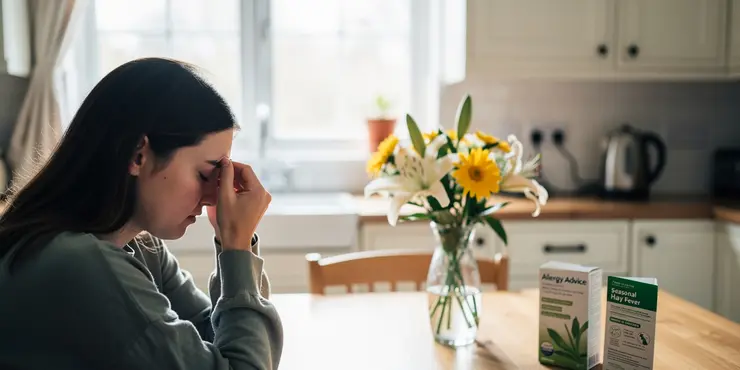
Seasonal allergies, also known as hay fever or allergic rhinitis, affect millions of people in the United Kingdom. These allergies are typically triggered by pollen from trees, grasses, and weeds, especially during spring and summer. Common symptoms include sneezing, a runny or blocked nose, itchy eyes, and a sore throat. Understanding the causes and triggers of your allergies is the first step in managing them effectively.
Identifying Your Allergy Triggers
Identifying the specific pollen types that trigger your allergies can make management much more effective. The UK pollen season generally starts with tree pollen in early spring, followed by grass pollen in late spring and early summer, and finally weed pollen in late summer to autumn. Keeping a diary of your symptoms can help you recognize patterns and pinpoint which types of pollen affect you the most.
Preventive Measures
Once you’ve identified your allergy triggers, you can take steps to minimize exposure. Keep windows and doors closed during high pollen days, which can often be forecasted through local weather reports. Use pollen filters in your car’s air conditioning system, and wear wraparound sunglasses to keep pollen out of your eyes. Regularly washing your face and hands can also help remove pollen particles.
Medications and Treatments
Several over-the-counter and prescription medications can help relieve allergy symptoms. Antihistamines, decongestants, and nasal corticosteroids are some of the most common treatments. Antihistamines can ease symptoms like sneezing and itching, while decongestants can help relieve a blocked nose. Nasal corticosteroids are effective for reducing inflammation in the nasal passages. Consult with your healthcare provider to determine the most appropriate treatment for your specific needs.
Alternative and Complementary Therapies
Some people find relief through alternative and complementary treatments. Regularly using saline nasal sprays can help flush out allergens from the nasal passages, while natural remedies like butterbur and quercetin have anti-inflammatory properties that may alleviate symptoms. However, it’s important to consult with a healthcare professional before starting any new treatment regimen.
Living with Seasonal Allergies
While living with seasonal allergies can be challenging, proactive management can greatly reduce discomfort. Stay informed about pollen counts, follow preventive measures, and consult with healthcare professionals for tailored advice and treatment options. By taking a comprehensive approach, you can significantly improve your quality of life during allergy season.
Dealing with Seasonal Allergies
Understanding Seasonal Allergies
Seasonal allergies are also called hay fever. They affect many people in the UK. These allergies happen because of pollen from trees, grasses, and weeds. This is common in spring and summer. People with allergies might sneeze, have a runny or blocked nose, itchy eyes, and a sore throat. Knowing what causes your allergies can help you manage them better.
Identifying Your Allergy Triggers
Finding out which pollen types make your allergies worse can help control them. In the UK, tree pollen appears in early spring. Grass pollen comes in late spring and early summer. Weed pollen is around in late summer to autumn. Keeping a diary of how you feel can help you find patterns and see which pollens bother you the most.
Preventive Measures
After you know what triggers your allergies, you can take steps to avoid them. Keep windows and doors shut when pollen levels are high. You can check pollen forecasts in weather reports. Use pollen filters in your car's air conditioning. Wear sunglasses to stop pollen from getting into your eyes. Wash your face and hands often to remove pollen.
Medications and Treatments
There are medicines that can help with allergy symptoms. Antihistamines help with sneezing and itching. Decongestants can help with a blocked nose. Nasal sprays called corticosteroids reduce swelling in the nose. Talk to your doctor to find the best treatment for you.
Alternative and Complementary Therapies
Some people try different therapies for relief. Saline nasal sprays can wash out allergens from your nose. Remedies like butterbur and quercetin might help with swelling. But, always talk to your doctor before trying new treatments.
Living with Seasonal Allergies
Seasonal allergies can be hard, but good management makes it easier. Stay updated on pollen counts, follow prevention tips, and talk to healthcare professionals for advice and treatments. Doing these things can help you feel better during allergy season.
Frequently Asked Questions
Seasonal allergies, also known as hay fever or allergic rhinitis, occur during certain times of the year when allergens such as pollen from trees, grasses, and weeds are in the air.
Common symptoms include sneezing, runny or stuffy nose, itchy eyes, nose, or throat, watery eyes, and coughing.
In the UK, tree pollen season typically starts in late March to early May, grass pollen season from May to July, and weed pollen season from late June to September.
Colds may have symptoms like fever and body aches, which are not typical for seasonal allergies. Allergies often cause itchy eyes, which are rare in colds.
Common medications include antihistamines, decongestants, nasal corticosteroids, and leukotriene inhibitors. Some are available over-the-counter, while others require a prescription.
Some natural remedies include using a saline nasal spray, drinking plenty of fluids, using a humidifier, and trying local honey.
Some people may find relief from certain foods like fruits rich in vitamin C and omega-3 fatty acids, which have anti-inflammatory properties. However, results can vary by individual.
It is generally safe, but try to exercise when pollen counts are lower, such as early morning or after rain. Consider indoor workouts if your symptoms are severe.
Keep windows closed during high pollen times, use air purifiers, clean regularly, and wash bedding in hot water. Also consider using hypoallergenic covers for pillows and mattresses.
Yes, children can develop seasonal allergies, and their symptoms are similar to adults. Consult a healthcare provider for appropriate treatment for children.
Wearing a mask can help filter out pollen and other allergens when you are outdoors, reducing the amount that enters your respiratory system.
Some helpful changes include keeping windows closed, frequently washing clothing and hair, avoiding outdoor activities during high pollen counts, and using allergy-proof bedding.
Pollen counts are often reported in weather forecasts and can also be checked online through various websites and apps dedicated to allergy information.
Yes, pets can bring pollen indoors on their fur. Regularly grooming pets and keeping them out of bedrooms can help reduce exposure.
You should see a doctor if your symptoms are severe, persistent, or not relieved by over-the-counter medications, or if you experience side effects from medications.
Seasonal allergies are also called hay fever. They happen at certain times of the year. This is because tiny bits from trees, grass, and weeds are in the air and make people sneeze or have itchy eyes.
Here are signs you might notice:
- You sneeze a lot.
- Your nose might be runny or blocked.
- Your eyes, nose, or throat can feel itchy.
- Your eyes might water.
- You might cough.
In the UK, tree pollen season starts in late March or early April. Grass pollen season is from May to July. Weed pollen season is from late June to September.
When you have a cold, you might get a fever and your body might hurt. These things don't usually happen with allergies. If you have allergies, your eyes might feel itchy. Itchy eyes don't usually happen when you have a cold.
To help understand better, try using pictures or ask someone to explain it with simple words. Listening to the text can also help you if reading is hard.
Common medicines for allergies are:
- Antihistamines: These help stop itching and sneezing.
- Decongestants: These help you breathe easier when your nose is stuffy.
- Nasal corticosteroids: These help reduce swelling in your nose.
- Leukotriene inhibitors: These help stop allergies from causing problems.
You can buy some of these medicines in a shop, but for others, you need to see a doctor.
Here are some simple ways to feel better:
- Use a special water spray for your nose.
- Drink lots of water.
- Use a machine that makes the air wet, called a humidifier.
- Try eating honey from where you live.
Some people might feel better when they eat certain foods. Fruits with lots of vitamin C and omega-3 fatty acids can help. These foods can stop swelling and pain. But they don't work the same for everyone.
It's usually safe, but it's a good idea to exercise when there is less pollen in the air. This can be early in the morning or after it rains. If you feel very unwell, you can try doing exercises inside.
Close your windows when there is a lot of pollen outside. Use air cleaners. Clean your home often. Wash your bed sheets in hot water. You can also use special covers on your pillows and mattresses to help with allergies.
Yes, children can get seasonal allergies. Their symptoms are like adults. Talk to a doctor to find the right treatment for children.
Wearing a mask when you go outside can block pollen and other things that make you sneeze and cough. This helps keep them out of your lungs and nose.
Here are some things that can help:
- Keep your windows shut.
- Wash your clothes and hair often.
- Try not to go outside when there is a lot of pollen.
- Use special bedding that helps with allergies.
Pollen numbers are often given in weather reports. You can also find this information online on different websites and apps that talk about allergies.
Yes, pets can bring pollen into the house on their fur. Brush your pets often and keep them out of the bedroom to help with this problem.
Go see a doctor if:
- You feel very sick.
- You have been sick for a long time.
- Medicine from the store doesn't make you feel better.
- Medicine makes you feel worse.
If it's hard to read, you can:
- Ask someone to read it with you.
- Use a magnifying glass to make the words bigger.
- Try listening to an audio version if available.

Ergsy Search Results
This website offers general information and is not a substitute for professional advice.
Always seek guidance from qualified professionals.
If you have any medical concerns or need urgent help, contact a healthcare professional or emergency services immediately.
Some of this content was generated with AI assistance. We've done our best to keep it accurate, helpful, and human-friendly.
- Ergsy carefully checks the information in the videos we provide here.
- Videos shown by Youtube after a video has completed, have NOT been reviewed by ERGSY.
- To view, click the arrow in centre of video.
- Most of the videos you find here will have subtitles and/or closed captions available.
- You may need to turn these on, and choose your preferred language.
- Go to the video you'd like to watch.
- If closed captions (CC) are available, settings will be visible on the bottom right of the video player.
- To turn on Captions, click settings.
- To turn off Captions, click settings again.