
Get Answers
Understanding Botox
Botox, scientifically known as botulinum toxin, is a popular cosmetic treatment used to reduce the appearance of facial wrinkles and fine lines. It works by temporarily paralyzing the muscles responsible for these expressions. While the results of Botox treatments are widely praised, a common concern among potential users is the level of pain associated with the procedure.
What to Expect During the Procedure
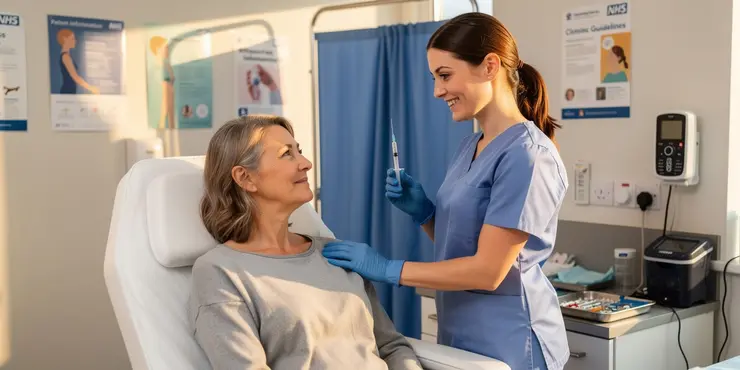
The Botox procedure is usually quick and straightforward, often performed in a clinic setting. A healthcare professional will use a fine needle to inject small amounts of Botox into specific muscles. The entire process typically takes about 10 to 15 minutes, depending on the number of areas treated. The use of a fine needle and the relatively small volume of injection mean that the procedure is minimally invasive.
Pain Levels During Botox Injections
Most patients report that the sensation of receiving Botox injections is comparable to that of a small pinch or a bug bite. The discomfort is usually brief and localised to the injection site. For many, the anticipation of pain is more significant than the actual sensation experienced. Sensitivity can vary based on individual pain thresholds, the area being treated, and the skill of the practitioner.
Managing Discomfort
To mitigate any discomfort during the procedure, practitioners often employ techniques such as using ice packs or applying a topical anaesthetic cream before the injections. These measures can help numb the skin slightly, making the process more comfortable. Patients who are particularly anxious about needles or pain should discuss their concerns with the practitioner beforehand, as additional options like numbing agents can be explored.
Post-Procedure Sensations
After the injections, it's common to experience mild side effects such as redness, swelling, or slight tenderness at the injection sites. These symptoms typically subside within a few hours to a couple of days. It's advisable to avoid rubbing or massaging the treated areas immediately after the procedure, as this can cause the Botox to spread to unintended areas.
Conclusion
For the majority of individuals undergoing Botox procedures, the pain is minimal and transient. The brief discomfort is often outweighed by the satisfaction of seeing smoother skin and reduced wrinkles. Choosing a qualified and experienced practitioner can enhance the overall experience by ensuring precise technique and care, further reducing any potential for pain. As always, if there are any concerns about the procedure, a consultation with a healthcare provider can provide clarity and reassurance.
Understanding Botox
Botox is a treatment that helps make face wrinkles and fine lines look less visible. It works by making face muscles relax for a short time. Some people worry about how much it hurts when they get Botox.
What to Expect During the Procedure
Getting Botox is often quick and simple. It usually happens in a clinic. A doctor uses a tiny needle to put a little bit of Botox into certain face muscles. This takes about 10 to 15 minutes, but it depends on how many places need Botox. The small needle means it does not hurt much or cause big cuts.
Pain Levels During Botox Injections
Most people say getting Botox feels like a small pinch or a bug bite. It only hurts a little bit and just where the needle goes in. Some people worry more about how it might hurt than it really does. How much it hurts can depend on how much a person usually feels pain, where they get the shot, and how good the doctor is.
Managing Discomfort
Doctors can help make it hurt less by using ice packs or putting a special cream on the skin before the Botox shots. The ice or cream makes the skin feel numb, so it doesn't hurt as much. If someone is really worried about pain or needles, they should talk to the doctor. The doctor might use more ways to make it hurt less.
Post-Procedure Sensations
After getting Botox, some people might notice their skin is a bit red, swollen, or feels tender where the shot went in. These usually go away after a few hours or days. It's important not to rub or press the spots where Botox was used right after getting it, because this might make it move to places it shouldn't.
Conclusion
Most people find that Botox doesn’t hurt much and any discomfort goes away quickly. They are happy when their skin looks smoother and has fewer wrinkles. Picking a good doctor can make the experience better and less painful. If anyone has worries about getting Botox, talking to a doctor can help them understand it more and feel calm.
Frequently Asked Questions
Botox is a cosmetic treatment that involves injecting a neurotoxin produced by the bacterium Clostridium botulinum to temporarily relax facial muscles and reduce the appearance of wrinkles.
Botox is administered through a series of small injections into the targeted muscles of the face by a trained medical professional.
Most patients report minimal discomfort during Botox injections, describing it as a slight pinch or sting. Topical numbing creams or ice can help alleviate any discomfort.
Yes, topical numbing creams can be applied prior to the procedure to minimize discomfort during Botox injections.
A typical Botox procedure usually takes about 10 to 15 minutes, depending on the areas being treated.
Any discomfort or mild pain from the Botox injection is usually short-lived, typically subsiding within minutes after the procedure.
Some people may experience mild side effects such as slight redness, swelling, or bruising at the injection site, but these typically resolve quickly.
You can reduce pain by avoiding blood-thinning medications before the procedure, applying a numbing cream, or using ice packs after the injections.
Botox injections are generally considered less painful than other cosmetic procedures. The sensation is often compared to a small pinch.
Anxiety can heighten the perception of pain, so feeling anxious about needles may make Botox injections seem more uncomfortable.
If the procedure is done improperly or if the patient has extremely sensitive skin, there could be more discomfort. It's important to choose an experienced professional.
Some people may experience mild soreness or tenderness around the injection site, but this should be temporary.
If you experience severe pain after Botox, it's important to contact your healthcare provider immediately as this could be a sign of a complication.
Some facial areas may be more sensitive than others, which can affect the level of discomfort felt during injections.
Botox is typically injected using a very fine needle, which helps to minimize discomfort during the procedure.
Non-prescription pain relievers like acetaminophen can be taken if needed, but it's best to avoid blood thinners like aspirin or ibuprofen to reduce the risk of bruising.
Both treatments involve injections, but experiences of pain can vary. Some people find Botox slightly less uncomfortable compared to dermal fillers.
Some people report reduced discomfort with regular treatments as they become more accustomed to the sensation over time.
Staying well-hydrated can improve skin elasticity, potentially making the injection process more comfortable.
Yes, you can usually resume normal activities immediately, but it's advised to avoid strenuous exercise for at least 24 hours after treatment.
Botox is a beauty treatment. It uses a special medicine made by a tiny germ. This medicine is put into your face with a needle. It makes muscles relax, so wrinkles or lines on your face can look smaller.
A doctor gives Botox with a tiny needle. The needle goes into the muscles of your face.
Most people say that Botox injections do not hurt much. They feel a small pinch or sting. You can use special creams or ice to make it feel better.
Yes, you can use special creams on your skin to help it not hurt so much when you get Botox.
A Botox treatment usually takes 10 to 15 minutes. It might take longer if more areas need treatment.
Sometimes, Botox can sting or hurt a little bit, but it usually goes away very quickly. Most of the time, it stops hurting just a few minutes after the medicine is given.
Here are some things that might help:
- Take deep breaths to help you relax.
- You can bring a favorite toy or something you like to hold.
- Think about something happy or fun.
- Sometimes they can use a cold pack to make it feel better.
Some people might feel a little redness, swelling, or bruising where the needle went in. But these usually go away fast.
You can feel less pain by doing a few things. Don't take medicine that makes your blood thinner before you have the treatment. You can put on a special cream to make your skin numb. After the injections, you can use ice packs to help.
Botox injections usually don't hurt much. They feel like a little pinch.
Worrying can make pain feel worse. If you feel worried about needles, getting Botox might hurt more.
If the doctor or nurse does the procedure wrong, or if the person's skin is very sensitive, it might hurt more. It is important to pick someone who knows what they're doing.
After getting a shot, some people might feel a little bit sore where the needle went in. But don't worry, this soreness should go away soon.
If you have bad pain after getting Botox, tell your doctor right away. It might mean something is wrong.
Some parts of your face can be more sensitive. This means they might hurt more when you get injections there.
If you want to feel better during injections, you can try these ideas:
- Take slow, deep breaths to stay calm.
- Squeeze a stress ball in your hand.
- Listen to your favorite music using headphones.
- Talk to the doctor before the injection if you're scared.
Doctors use a tiny needle to give Botox. This helps it hurt less when they do it.
You can take pain medicine that you buy from the store, like acetaminophen, if you need it. But try not to take medicines like aspirin or ibuprofen. They can make bruises more likely.
Both treatments use needles, but how much they hurt is different for each person. Some people say Botox hurts a little less than fillers.
Some people say it hurts less after getting treatment a few times. They get used to how it feels.
Drinking enough water is good for your skin. It can help your skin stretch better. This might make injections hurt less.
Yes, you can usually go back to doing your normal things right away. But it's a good idea not to do hard exercise for at least one day after treatment.

Ergsy Search Results
This website offers general information and is not a substitute for professional advice.
Always seek guidance from qualified professionals.
If you have any medical concerns or need urgent help, contact a healthcare professional or emergency services immediately.
Some of this content was generated with AI assistance. We've done our best to keep it accurate, helpful, and human-friendly.
- Ergsy carefully checks the information in the videos we provide here.
- Videos shown by Youtube after a video has completed, have NOT been reviewed by ERGSY.
- To view, click the arrow in centre of video.
- Most of the videos you find here will have subtitles and/or closed captions available.
- You may need to turn these on, and choose your preferred language.
- Go to the video you'd like to watch.
- If closed captions (CC) are available, settings will be visible on the bottom right of the video player.
- To turn on Captions, click settings.
- To turn off Captions, click settings again.