
Find Help
More Items From Ergsy search
-
Can a womb lining test detect cancer?
Relevance: 100%
-
How should I prepare for a womb lining test?
Relevance: 95%
-
Does the womb lining test require any special preparation?
Relevance: 92%
-
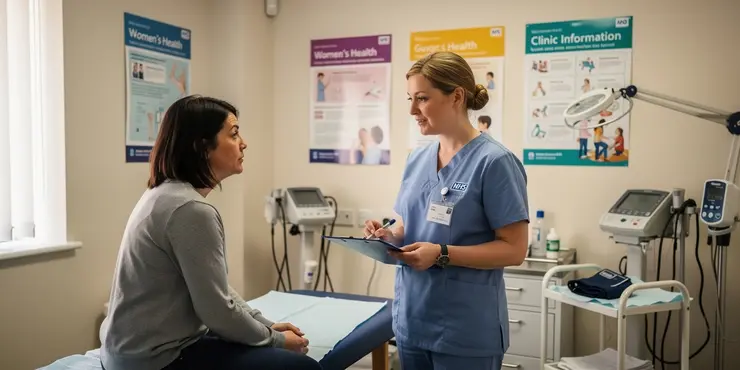
What is the womb lining test?
Relevance: 90%
-
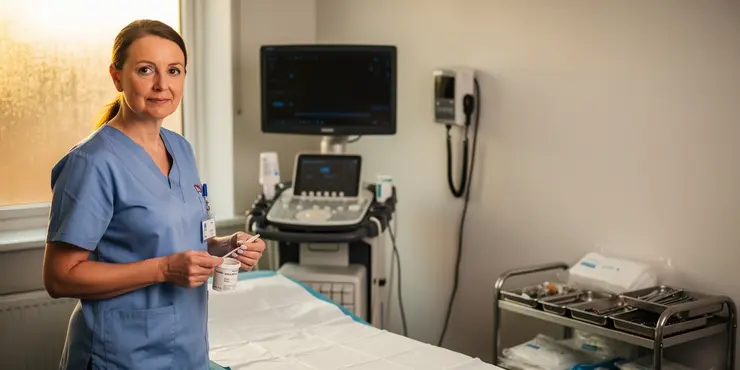
How is a womb lining test conducted?
Relevance: 89%
-
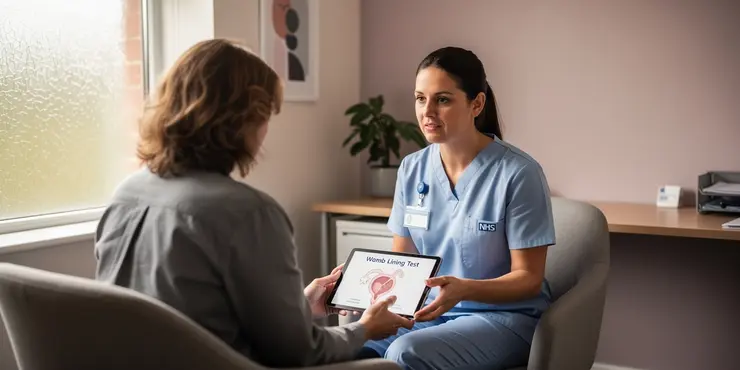
Is the womb lining test covered by the NHS?
Relevance: 89%
-
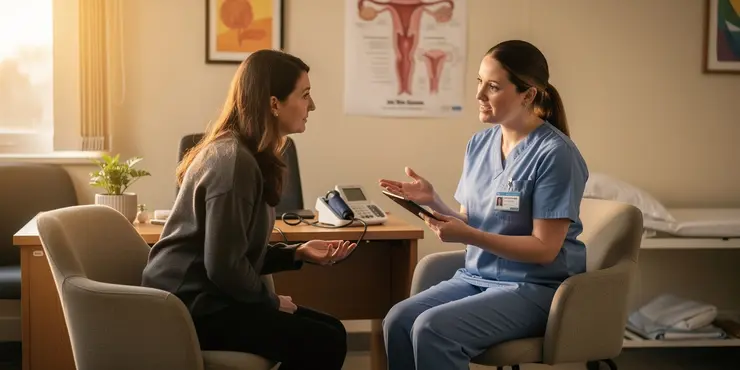
Is a womb lining test painful?
Relevance: 88%
-
Can a womb lining test detect cancer?
Relevance: 87%
-
What is the Womb Lining test?
Relevance: 87%
-
Is the womb lining test covered by the NHS?
Relevance: 85%

-
How is the womb lining test performed?
Relevance: 85%
-
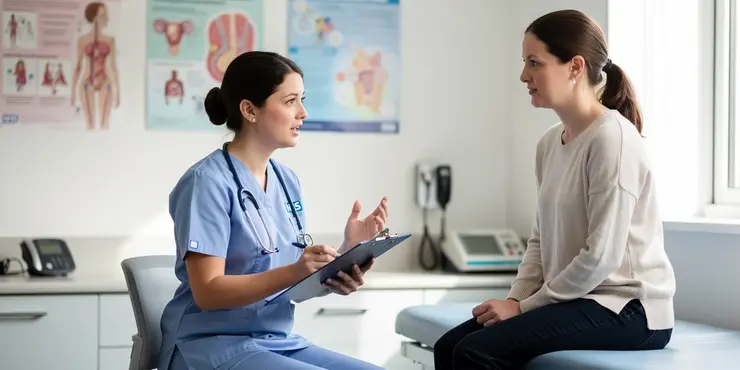
Why is a womb lining test performed?
Relevance: 85%
-

Are there risks associated with a womb lining test?
Relevance: 83%
-
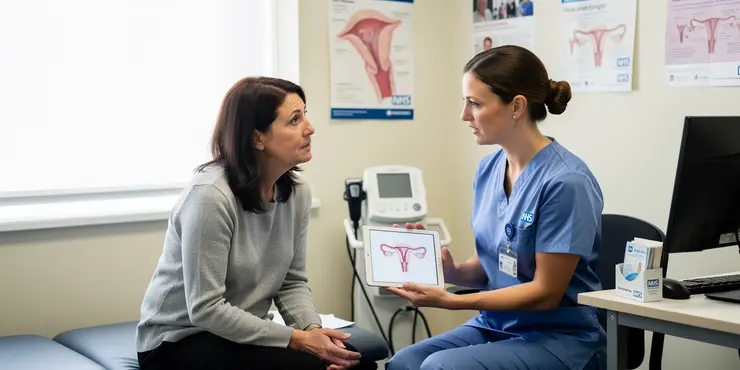
Are there any risks associated with the womb lining test?
Relevance: 83%
-
Why might someone need a womb lining test?
Relevance: 83%
-
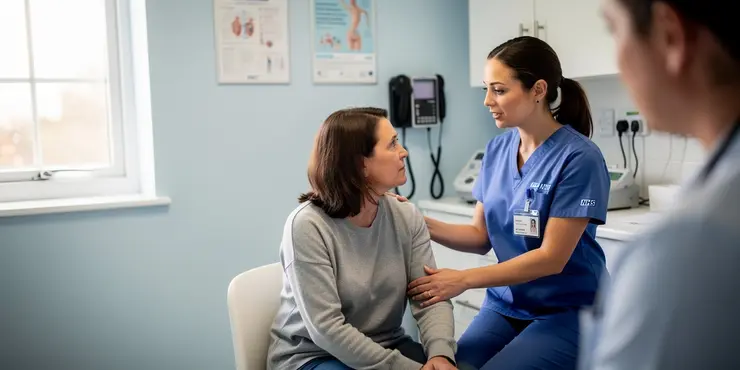
Is there any follow-up required after a womb lining test?
Relevance: 79%
-
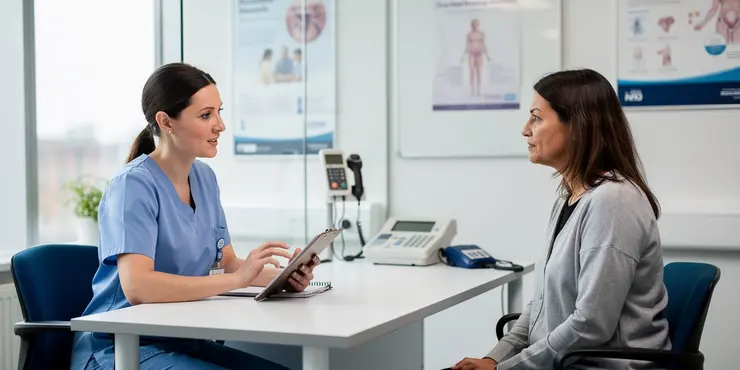
Is the womb lining test painful?
Relevance: 77%
-
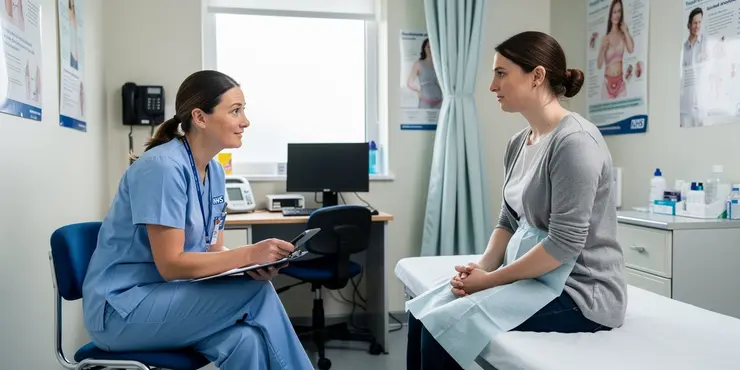
What happens after a womb lining test?
Relevance: 77%
-
How long does it take to get results from a womb lining test?
Relevance: 73%
-
How long does it take to get results from a womb lining test?
Relevance: 70%
-
Can I drive after the womb lining test?
Relevance: 65%
-
Endometrial Cancer
Relevance: 48%
-

Endometrial Cancer
Relevance: 44%
-

How can I prepare for the DVSA Theory Test?
Relevance: 44%
-

Endometrial Cancer
Relevance: 42%
-
What does an evaporation line mean on a pregnancy test?
Relevance: 39%
-

Post Menopausal Bleeding Clinic | A Guide to What Happens at An Appointment
Relevance: 39%
-
How should I prepare for a facelift?
Relevance: 37%
-
Are there any preparation steps for prostate screening?
Relevance: 37%
-
Prostate cancer diagnosis and tests
Relevance: 34%
-
Do I need to prepare before an ultrasound?
Relevance: 34%
-
What is PSA testing?
Relevance: 34%
-

Prostate Specific Antigen (PSA) test
Relevance: 33%
-
How does a pregnancy test work?
Relevance: 33%
-

What is the DVSA Theory Test?
Relevance: 33%
-
What is a pregnancy test?
Relevance: 33%
-
Booked in for your smear test (cervical screening) and not sure what to expect?
Relevance: 32%
-
Is a colonoscopy necessary after a positive home test?
Relevance: 32%
-
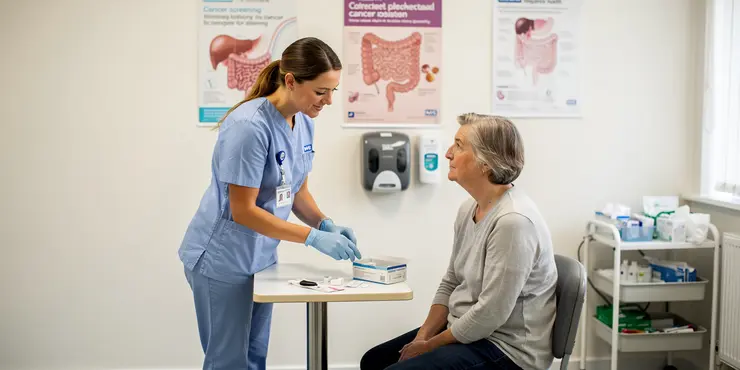
Can home colorectal cancer tests replace a colonoscopy?
Relevance: 32%
-
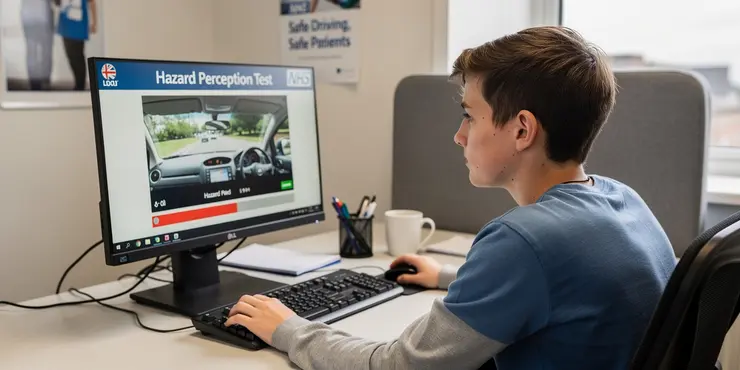
What is the Hazard Perception Test?
Relevance: 32%
Understanding the Womb Lining Test: Preparation Guidelines
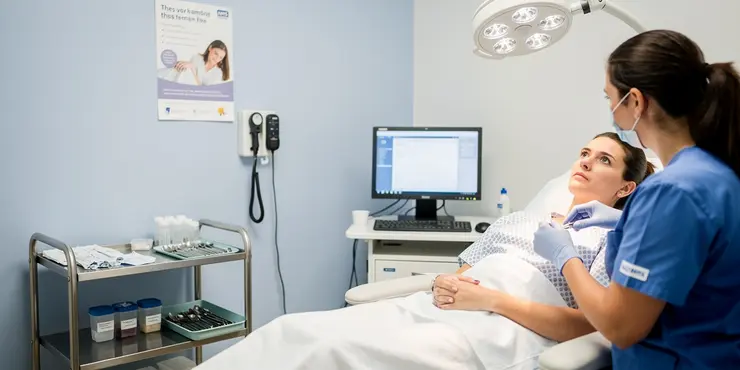
The womb lining test, also known as an endometrial biopsy, is a medical procedure used to obtain a sample of the endometrium, the lining of the uterus. This test can help diagnose various conditions, such as abnormal uterine bleeding, infertility issues, and endometrial hyperplasia. For those in the UK considering this procedure, it's essential to understand whether any special preparation is needed.What is an Endometrial Biopsy?
An endometrial biopsy involves removing a small piece of tissue from the womb lining for examination under a microscope. This test is typically performed in a healthcare provider's office and is relatively quick. It can provide valuable insights into the cause of various gynecological issues, helping guide further treatment options.Preparation for the Test
Consultation with Your Healthcare Provider
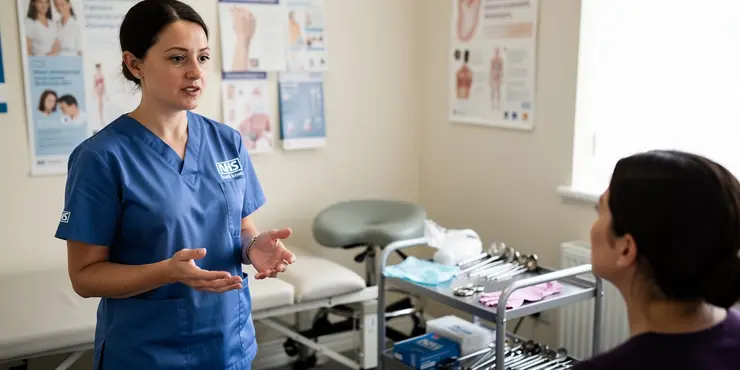
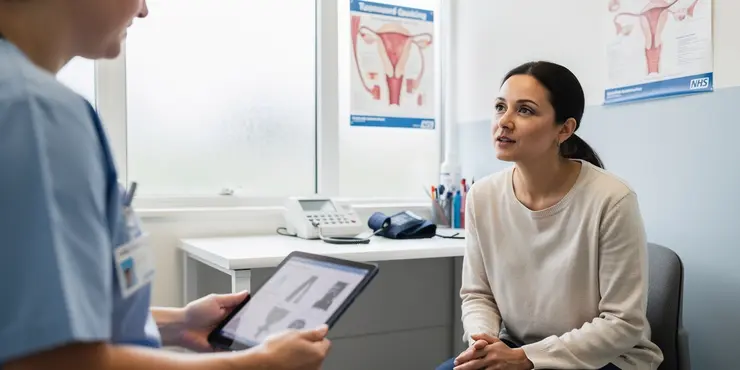
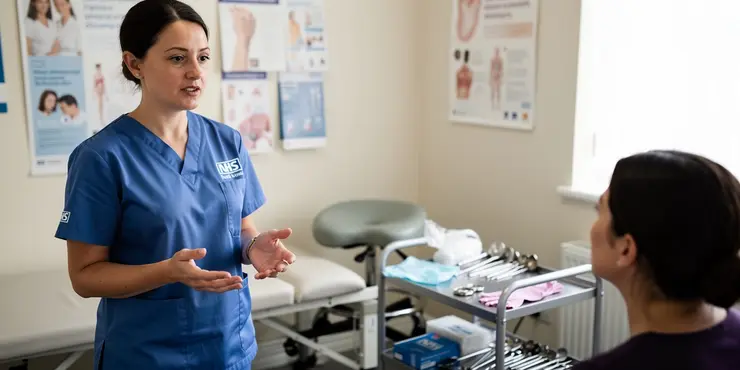
Before undergoing an endometrial biopsy, it is crucial to have a thorough discussion with your healthcare provider. They will explain the procedure, its purpose, possible risks, and what to expect during and after the test. They will also review any medications you are currently taking, as some might need to be temporarily adjusted.Timing of the Biopsy
The timing of an endometrial biopsy is often crucial, especially if it's being conducted for fertility-related issues. Your healthcare provider will guide you on the best time to schedule the biopsy based on your menstrual cycle. Usually, the test is done a few days after ovulation for fertility evaluations.Medications and Pain Management
You may be advised to take an over-the-counter pain reliever, such as ibuprofen, about 30 minutes to an hour before the procedure. This can help manage any discomfort or cramping associated with the biopsy. Always follow your healthcare provider's advice regarding medication use.Avoiding Certain Activities
It is generally recommended to avoid using tampons, douches, or vaginal medications for at least 24-48 hours before the procedure. These can interfere with obtaining an accurate sample and may increase the risk of infection.Day of the Procedure
Ensure that you wear comfortable clothing to the appointment. You will be asked to change into a gown for the procedure. Having someone accompany you to and from the appointment might be beneficial, as some women experience lightheadedness or discomfort afterwards.Communication and Relaxation
During the procedure, remain as relaxed as possible and communicate openly with your healthcare provider if you experience anything concerning. The procedure is usually quick, and relaxation techniques can help ease any anxiety or discomfort you might feel. In conclusion, preparing for an endometrial biopsy involves a combination of adhering to medical advice, understanding the procedure, and ensuring personal comfort. Discuss any concerns with your healthcare provider to ensure a smooth and effective experience.Understanding the Womb Lining Test: Preparation Guidelines
The womb lining test is called an endometrial biopsy. It is a medical test where doctors take a small piece of tissue from the lining of the uterus. This test can help figure out problems like unusual bleeding, difficulty getting pregnant, or issues with the womb lining. If you are in the UK and thinking about this test, it's important to know how to get ready for it.What is an Endometrial Biopsy?
In this test, a doctor takes a small piece of tissue from the womb lining to look at it under a microscope. It usually happens in the doctor's office and is quick. This test can help doctors learn more about problems with the womb and decide on the best treatment.Preparation for the Test
Talk to Your Doctor
Before the biopsy, it's important to talk to your doctor. They will explain what will happen, why the test is needed, and any risks. They will also check any medicines you are taking because you might need to change them before the test.When to Have the Biopsy
The timing of the biopsy is important, especially for fertility issues. Your doctor will tell you the best time to do the test based on your monthly cycle. Often, the test is done a few days after you ovulate when checking for fertility.Medicines and Pain Relief
You might need to take pain medicine like ibuprofen about 30 minutes to an hour before the test. This can help with any pain or cramps. Always listen to your doctor about using medicines.Avoid Certain Activities
Try not to use tampons, douches, or any vaginal medicines for at least 24-48 hours before the test. These can make it harder to get a good sample and might cause an infection.Day of the Procedure
Wear comfy clothes to your appointment. You will need to change into a gown for the test. It can be helpful to have someone come with you, as you might feel a bit dizzy or uncomfortable afterward.Stay Calm and Talk
During the test, try to stay calm and tell your doctor if you feel worried or in pain. The test is usually quick, and staying relaxed might help you feel better. In short, getting ready for an endometrial biopsy means following your doctor's advice, knowing what will happen, and staying comfortable. Talk about any worries with your doctor to make sure the experience goes smoothly.Frequently Asked Questions
What is a womb lining test?
A womb lining test, also known as an endometrial biopsy, involves taking a sample of the lining of the uterus to check for abnormalities.
Do I need to fast before a womb lining test?
Generally, fasting is not required before a womb lining test. Your doctor will provide specific instructions if any dietary restrictions are needed.
Can I take pain relief medication before the test?
Yes, you can typically take over-the-counter pain relief, such as ibuprofen or paracetamol, about an hour before the test to help minimise discomfort.
Should I avoid sexual intercourse before the test?
Your doctor might advise you to avoid sexual intercourse a day or two before the test. Confirm this with your healthcare provider.
Is there any special clothing I should wear?
Wear comfortable, loose-fitting clothing as you may be more comfortable during the procedure. You may be asked to wear a gown during the test.
Can I drive myself home after the test?
Yes, you can generally drive yourself home after the procedure, but if you feel uncomfortable or anxious, you might consider bringing someone with you.
Will I need someone to accompany me to the appointment?
While not necessary, it’s often helpful to have someone accompany you for support and to help with transportation if needed.
Is it necessary to inform my GP about any medications I'm taking?
Yes, inform your GP about all the medications or supplements you are taking to ensure they won't affect the test or its results.
Should I adjust my medication prior to the test?
Discuss any medication adjustments with your doctor. Typically, most medications can be continued as normal.
How long does the womb lining test take?
The test itself usually takes about 10 to 15 minutes, but you should allow for a longer appointment to include preparation and recovery time.
Are there any activities I should avoid after the test?
You may be advised to avoid heavy lifting and strenuous exercise for a day or two after the procedure.
How soon can I resume normal activities after the test?
Most people can resume normal activities immediately, though you may need to rest if you feel discomfort.
Should I expect any bleeding after a womb lining test?
Light bleeding or spotting is common after the procedure, but contact your doctor if you experience heavy bleeding.
How should I manage any discomfort after the test?
Over-the-counter pain relief like paracetamol or ibuprofen can help manage any cramping or discomfort you might feel after the test.
When will I receive the results of my womb lining test?
Results are typically available within a week or two. Your doctor will discuss them with you at a follow-up appointment.
What is a womb lining test?
A womb lining test checks the inside of a woman’s tummy where a baby grows. Doctors do this to make sure everything is okay. They use a small tool to take a tiny bit from inside. This can help find answers if a woman can’t have a baby or has pain.
If it's hard to read, you can ask someone to read it with you. You can also use apps that read text out loud. It's okay to ask questions to your doctor if you don’t understand.
A womb lining test is also called an endometrial biopsy. This test takes a tiny piece from the inside of the womb to see if there is anything wrong.
Do I need to stop eating before a womb lining test?
You might need to stop eating or drinking before a womb lining test.
Ask your doctor or nurse. They will tell you what to do.
If you find reading hard, ask someone to read it to you.
You can also ask questions if you don't understand.
You usually do not need to stop eating before a womb lining test. If you need to follow any food rules, your doctor will tell you what to do.
Can I take pain medicine before the test?
Yes, you can take pain medicine.
Ask your doctor if it is okay first.
Your doctor will tell you the right amount to take.
This will help you feel better.
You can use a support person to help you remember the steps.
Yes, you can usually take pain medicine like ibuprofen or paracetamol. Take it about one hour before your test. This can help stop any pain.
Should I stop having sex before the test?
Your doctor might tell you to not have sex for one or two days before the test. Check with your doctor to be sure.
What clothes should I wear?
Here are some tips for choosing clothes:
- Wear clothes that are comfy and easy to move in.
- Check the weather and dress to stay warm or cool.
- If you need help picking clothes, ask a friend or family member.
- Use pictures or apps that show how clothes look together.
- Lay out your clothes the night before to make getting dressed easier.
Wear clothes that are loose and comfy. This will help you feel better during the test. You might need to change into a special gown for the test.
Can I drive myself home after the test?
Can I drive home after the test by myself?
Driving after a test might not be safe. You could feel tired or not well.
It is a good idea to ask someone to come with you or pick you up.
You can also use a taxi or a ride service.
Yes, you can usually drive yourself home after the procedure. But if you feel worried or not sure, you might want to bring a friend to help you.
Do I need someone to go with me to the appointment?
Here is a simpler version for you to understand:
Do I need to bring someone with me when I go to the appointment?
It might help to use these tools or ideas:
- Ask a friend or family member to come with you.
- Use a calendar to remember the appointment day.
- Set an alarm on your phone to remind you about the appointment.
You don't have to, but having someone with you can be really helpful. They can give you support and help with getting around if you need it.
Do I need to tell my doctor about the medicines I take?
Yes, it's important to tell your doctor about all the medicines you use.
This helps them to keep you safe and healthy.
You can make a list of your medicines to show your doctor.
Tell your doctor about all the medicine or vitamins you are taking. This helps make sure they do not change the test or its results.
Do I need to change my medicine before the test?
Do you need help with this question? Here are some tips:
- Talk to your doctor for advice.
- Use pictures or drawings to help understand.
- Ask a friend or family member to explain.
Talk to your doctor if you need to change your medicine. Most of the time, you can keep taking your medicines just like you normally do.
How long does the womb lining test take?
The womb lining test does not take very long. It takes about 10 to 15 minutes.
It can help to bring a friend or family member for support.
You might feel a bit of pain. Taking deep breaths can help.
The test takes 10 to 15 minutes. But the whole appointment might take longer because you need time to get ready and to rest afterwards.
What should I not do after the test?
It is important to take care of yourself after a test. Here are some tips:
- Rest and relax. Don't do hard exercise.
- If you feel tired, take a nap.
- Drink water and eat healthy food.
- Ask someone if you need help with anything.
Talking to a friend or using a calendar can help you plan your day.
After the procedure, your doctor might tell you not to lift heavy things. You should also take a break from hard exercises for one or two days.
When can I start doing my usual activities after the test?
It is important to listen to your doctor or nurse. They will tell you when you can go back to doing your usual things.
You might need to rest for a little while. Ask someone in your family or a friend to help you remember what to do. You can also use a calendar to mark the day when it is safe to go back to your normal activities.
Most people can go back to their normal activities right away. But if you don't feel good, you should rest.
Will I bleed after a womb lining test?
Some people might see a little bleeding after the test. This is normal. If you bleed a lot or feel worried, tell your doctor.
Tools to help:
- Ask someone you trust to go with you to the test.
- Write down questions to ask your doctor.
- Use pictures or videos to understand the test better.
After the procedure, you might see a little bit of blood. This is normal. But if you see a lot of blood, call your doctor.
How can I feel better if I feel bad after the test?
If you feel any pain or cramping after the test, you can take medicine like paracetamol or ibuprofen to help you feel better. You can buy these at a shop without needing a doctor's note.
When will I get my womb lining test results?
You usually get the results in one or two weeks. Your doctor will talk to you about them when you go back for another visit.

Useful Links
This website offers general information and is not a substitute for professional advice.
Always seek guidance from qualified professionals.
If you have any medical concerns or need urgent help, contact a healthcare professional or emergency services immediately.
Some of this content was generated with AI assistance. We’ve done our best to keep it accurate, helpful, and human-friendly.
- Ergsy carfully checks the information in the videos we provide here.
- Videos shown by Youtube after a video has completed, have NOT been reviewed by ERGSY.
- To view, click the arrow in centre of video.
- Most of the videos you find here will have subtitles and/or closed captions available.
- You may need to turn these on, and choose your preferred language.
- Go to the video you'd like to watch.
- If closed captions (CC) are available, settings will be visible on the bottom right of the video player.
- To turn on Captions, click settings .
- To turn off Captions, click settings again.
More Items From Ergsy search
-
Can a womb lining test detect cancer?
Relevance: 100%
-
How should I prepare for a womb lining test?
Relevance: 95%
-
Does the womb lining test require any special preparation?
Relevance: 92%
-
What is the womb lining test?
Relevance: 90%
-
How is a womb lining test conducted?
Relevance: 89%
-
Is the womb lining test covered by the NHS?
Relevance: 89%
-
Is a womb lining test painful?
Relevance: 88%
-
Can a womb lining test detect cancer?
Relevance: 87%
-
What is the Womb Lining test?
Relevance: 87%
-
Is the womb lining test covered by the NHS?
Relevance: 85%
-
How is the womb lining test performed?
Relevance: 85%
-
Why is a womb lining test performed?
Relevance: 85%
-
Are there risks associated with a womb lining test?
Relevance: 83%
-
Are there any risks associated with the womb lining test?
Relevance: 83%
-
Why might someone need a womb lining test?
Relevance: 83%
-
Is there any follow-up required after a womb lining test?
Relevance: 79%
-
Is the womb lining test painful?
Relevance: 77%
-
What happens after a womb lining test?
Relevance: 77%
-
How long does it take to get results from a womb lining test?
Relevance: 73%
-
How long does it take to get results from a womb lining test?
Relevance: 70%
-
Can I drive after the womb lining test?
Relevance: 65%
-
Endometrial Cancer
Relevance: 48%
-
Endometrial Cancer
Relevance: 44%
-
How can I prepare for the DVSA Theory Test?
Relevance: 44%
-
Endometrial Cancer
Relevance: 42%
-
What does an evaporation line mean on a pregnancy test?
Relevance: 39%
-
Post Menopausal Bleeding Clinic | A Guide to What Happens at An Appointment
Relevance: 39%
-
How should I prepare for a facelift?
Relevance: 37%
-
Are there any preparation steps for prostate screening?
Relevance: 37%
-
Prostate cancer diagnosis and tests
Relevance: 34%
-
Do I need to prepare before an ultrasound?
Relevance: 34%
-
What is PSA testing?
Relevance: 34%
-
Prostate Specific Antigen (PSA) test
Relevance: 33%
-
How does a pregnancy test work?
Relevance: 33%
-
What is the DVSA Theory Test?
Relevance: 33%
-
What is a pregnancy test?
Relevance: 33%
-
Booked in for your smear test (cervical screening) and not sure what to expect?
Relevance: 32%
-
Is a colonoscopy necessary after a positive home test?
Relevance: 32%
-
Can home colorectal cancer tests replace a colonoscopy?
Relevance: 32%
-
What is the Hazard Perception Test?
Relevance: 32%