
Get Answers
Understanding the Need for Mental Health Support for Community Helpers
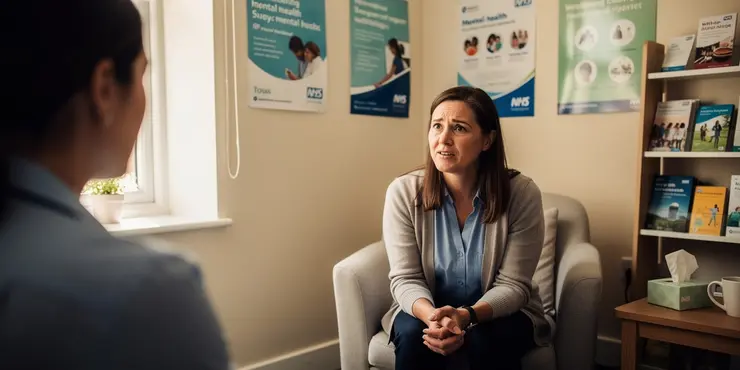
Community helpers, including those working in healthcare, emergency services, and social care, often face stressful and challenging situations in their line of duty. These professionals are at the frontline, helping society tackle everyday issues while often sidelining their own emotional well-being. In the UK, where community services are crucial, ensuring the mental health of these workers is essential for both their personal welfare and their ability to serve effectively.
Accessing Mental Health Resources
The National Health Service (NHS) provides a range of mental health services that community helpers can access. These include essential resources like talking therapies, cognitive behavioural therapy, and counselling. NHS mental health services can be accessed through a GP referral, or some can directly self-refer. Additionally, community helpers can utilize local mental health charities or support groups that offer targeted programs for those under substantial job-related stress.
Workplace Initiatives
Employers play a vital role in supporting the mental health of their staff. Many organisations in the UK are now adopting Employee Assistance Programs (EAPs) that offer confidential counselling services and mental health support. These programs often provide access to professional therapists who understand the specific pressures faced by community helpers. Regular mental health awareness training and stress management workshops are other ways workplaces can equip their staff with coping strategies.
Peer Support Networks
Connecting with colleagues who understand the challenges of working in community services can provide significant emotional relief. Peer support networks offer a safe space for community helpers to share experiences and coping strategies. In the UK, several professional bodies and unions offer platforms for such peer interactions. These networks foster a sense of belonging and understanding, helping individuals feel less isolated in their experiences.
Utilising Online Resources
The internet is a valuable resource for mental health support. Websites like Mind, Rethink Mental Illness, and the Mental Health Foundation provide extensive resources, from self-help guides to community forums. Community helpers can access these resources at their convenience, which is especially beneficial for those working irregular hours. Mobile apps offering mindfulness and stress reduction techniques can also be useful tools for maintaining mental well-being.
Conclusion
Addressing the mental health needs of community helpers in the UK requires a multifaceted approach. By utilising NHS services, harnessing workplace initiatives, engaging in peer support networks, and exploring online resources, community helpers can access comprehensive support. Encouraging open conversations around mental health within workplaces and broader society is crucial in dismantling stigma and ensuring these invaluable workers receive the care they deserve. Proactive efforts in these areas will promote healthier, more resilient communities overall.
Understanding Why Community Helpers Need Mental Health Support
People who work as community helpers, like nurses, doctors, police officers, and social workers, have tough jobs. They help others every day. But their jobs can be stressful and hard. They often forget to take care of their own feelings. In the UK, it's really important to look after the mental health of these workers. It helps them feel better and do their jobs well.
Getting Mental Health Help
The NHS in the UK has many services to help with mental health. Community helpers can use these services. They include talking to someone about your feelings, learning how to change negative thoughts, and counselling. To get help, you can talk to your GP or sometimes find help yourself. Local groups and charities also offer special programs for those who feel stressed because of their jobs.
Support at Work
Places where people work can also help support mental health. Many workplaces in the UK have special programs to help. These programs can include private talks with counsellors. They help you deal with work stress. Some workplaces also teach about mental health and how to manage stress. These lessons help workers learn ways to handle tough feelings.
Support from Friends at Work
Talking with other workers who know how hard community jobs can be can really help. Peer support networks are groups where community helpers can share their stories and tips. In the UK, groups and unions help set up these networks. They make people feel like they belong and understand each other. This helps people not feel alone in their work.
Using Online Help
The internet can help with mental health too. Websites like Mind, Rethink Mental Illness, and the Mental Health Foundation have lots of information. You can find self-help guides and talk to others in online chats. Community helpers can use these any time, which is great if they have busy schedules. There are also apps that teach how to relax and reduce stress.
Final Thoughts
Helping the mental health of community helpers in the UK needs many different actions. They can use NHS services, get help from work, join support groups, and find online help. Talking openly about mental health at work and in society is important. This helps to break down any negative thoughts about it and makes sure these important workers get the help they need. Doing these things helps to create healthier and stronger communities.
Frequently Asked Questions
Community helpers mental health support refers to services, resources, and training that help people who work in public-facing or helping roles manage stress, prevent burnout, and maintain emotional well-being.
Community helpers mental health support can benefit teachers, social workers, first responders, healthcare staff, volunteers, nonprofit workers, and anyone in a role that involves supporting others.
Community helpers mental health support is important because helping professions often involve high stress, emotional strain, trauma exposure, and long hours, which can affect both personal well-being and job performance.
Community helpers mental health support may include counseling, peer support groups, stress management workshops, crisis support, trauma-informed care, and employee assistance resources.
Community helpers mental health support helps prevent burnout by teaching coping skills, encouraging healthy boundaries, improving self-care, and providing early help when stress begins to build.
Community helpers mental health support can improve workplace morale by reducing isolation, normalizing mental health conversations, strengthening teamwork, and helping staff feel valued and supported.
Community helpers mental health support can often be found through employers, local community organizations, counseling centers, professional associations, crisis lines, and online mental health programs.
Community helpers mental health support is usually accessed by contacting an employer program, scheduling with a counselor, joining a peer group, or reaching out to a local mental health organization.
Community helpers mental health support is often confidential, especially when provided by licensed professionals or employee assistance programs, but people should always ask about privacy policies before starting services.
Community helpers mental health support addresses stress, anxiety, depression, compassion fatigue, secondary trauma, grief, exhaustion, and other emotional challenges common in helping roles.
Community helpers mental health support reduces compassion fatigue by helping workers recognize emotional overload, set boundaries, restore energy, and use reflective or restorative practices.
Yes, community helpers mental health support can be offered online through teletherapy, virtual support groups, webinars, digital wellness tools, and remote coaching sessions.
Peer groups in community helpers mental health support provide shared understanding, emotional validation, practical advice, and a safe space to talk with others who face similar challenges.
Managers can encourage community helpers mental health support by promoting available resources, modeling healthy behavior, allowing time for self-care, and responding supportively when employees ask for help.
Signs that someone may need community helpers mental health support include chronic stress, irritability, sleep problems, emotional numbness, reduced motivation, and feeling overwhelmed or detached.
Community helpers mental health support helps after a traumatic event by providing crisis counseling, emotional debriefing, grounding strategies, and follow-up care to reduce longer-term distress.
No, community helpers mental health support can also be useful for volunteers, interns, caregivers, and community members who regularly take on helping or support responsibilities.
Community helpers mental health support can improve retention by reducing burnout, increasing job satisfaction, strengthening resilience, and making staff more likely to stay in their roles.
A quality community helpers mental health support program should include accessible services, trained mental health professionals, confidentiality, peer support options, crisis resources, and ongoing education.
Community helpers mental health support can be made more accessible by offering low-cost or free services, flexible scheduling, virtual options, multilingual materials, and simple referral pathways.

Ergsy Search Results
This website offers general information and is not a substitute for professional advice.
Always seek guidance from qualified professionals.
If you have any medical concerns or need urgent help, contact a healthcare professional or emergency services immediately.
Some of this content was generated with AI assistance. We've done our best to keep it accurate, helpful, and human-friendly.
- Ergsy carefully checks the information in the videos we provide here.
- Videos shown by Youtube after a video has completed, have NOT been reviewed by ERGSY.
- To view, click the arrow in centre of video.
- Most of the videos you find here will have subtitles and/or closed captions available.
- You may need to turn these on, and choose your preferred language.
- Go to the video you'd like to watch.
- If closed captions (CC) are available, settings will be visible on the bottom right of the video player.
- To turn on Captions, click settings.
- To turn off Captions, click settings again.