
Get Answers
Understand the Basic Legal Requirements
To make a will legally valid in the UK, it must be in writing. Oral wills aren't valid for making comprehensive bequests.
You must be over 18 and possess the mental capacity to make informed decisions. This ensures that the choices made are your own.
It's crucial for you to voluntarily create your will without any undue influence or pressure.
Ensure Proper Signature and Witnessing
Sign your will yourself, or someone can sign on your behalf if you are physically unable. This person must be in your presence and directed by you.
Have at least two witnesses present who will also sign. These witnesses need to be over 18 and independent; they shouldn't be beneficiaries of the will.
Ensure these witnesses watch you sign the will; otherwise, it isn't valid.
Appoint Executors Wisely
Select one or more executors who will oversee the distribution of your estate. They should be trustworthy and capable of this responsibility.
Keep in mind that the executor can be a beneficiary. However, consider appointing someone impartial if disputes are likely.
Review and Update Your Will
Life changes such as marriage, divorce, or having children can affect your will's validity or its relevance. Regularly review and update your will.
Updates or changes should follow legal protocols. This usually involves creating a codicil, a supplementary document, or rewriting the will entirely.
Seek Professional Legal Advice
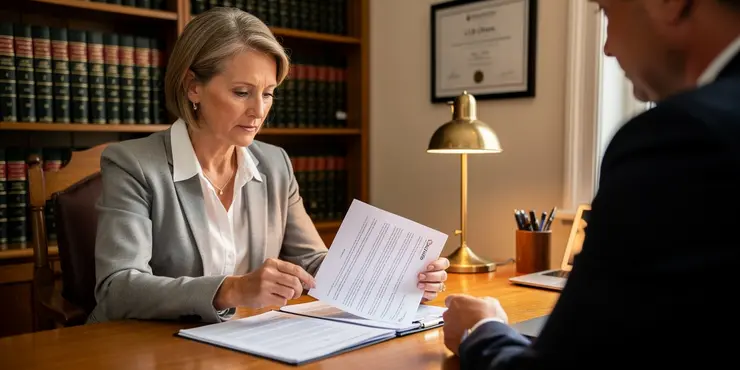
Consulting a solicitor can help ensure your will meets all legal criteria. They can provide personalized advice tailored to your situation.
Though it's possible to write your will independently, professional guidance bolsters its validity, particularly in complex estate situations.
Store Your Will Safely
Keep the original will in a safe and accessible place. Ensure your executors know its location.
Common storage options include your solicitor's office, banks, or will storage services. Avoid places where it could be misplaced or destroyed.
Frequently Asked Questions
A will must be written, signed by the testator, and witnessed by at least two competent witnesses who are not beneficiaries.
While it's not a legal requirement to have a lawyer draft your will, consulting one can ensure it meets all legal standards and accurately reflects your wishes.
Yes, you can write your own will, but it must comply with your jurisdiction's legal requirements to be valid.
Most jurisdictions require at least two witnesses to sign the will in the presence of the testator.
It is generally advised that witnesses are not beneficiaries, as this could invalidate their inheritance or create legal challenges.
An unwitnessed will may be considered invalid and subject to intestacy rules, meaning state laws will determine the distribution of your estate.
Notarization is not usually required for a will to be valid, but a notarized self-proving affidavit can simplify probate.
A self-proving will is one accompanied by a notarized affidavit from witnesses, minimizing the need for them to testify during probate.
Yes, you can update your will at any time by creating a codicil or writing a new will.
A codicil is a legal document that modifies, adds, or revokes provisions in an existing will.
A handwritten will, or holographic will, may be valid if it meets state requirements, but it can be more easily contested.
Only the most recent will is considered valid, provided it revokes previous wills. It is important to clearly specify revocation.
A will can be revoked by creating a new will that clearly states it revokes the former or by physically destroying the old will.
Review your will at least every few years, and update it after significant life events such as marriage, divorce, or the birth of a child.
Keep your will in a safe place, like a fireproof safe, and inform your executor and loved ones about its location.
Some jurisdictions recognize electronic wills, but they must meet specific legal requirements to be valid.
The testator must have the mental capacity to understand their estate, the effects of the will, and the legal process for it to be valid.
Interested parties, such as family members, can contest a will on grounds of fraud, undue influence, or lack of capacity.
Ensure the will is well-drafted, properly witnessed, and consider discussing your intentions with beneficiaries to avoid surprises.
An executor is a person appointed to execute your will. Choose someone you trust who is organized and capable of managing your estate.

Ergsy Search Results
This website offers general information and is not a substitute for professional advice.
Always seek guidance from qualified professionals.
If you have any medical concerns or need urgent help, contact a healthcare professional or emergency services immediately.
Some of this content was generated with AI assistance. We've done our best to keep it accurate, helpful, and human-friendly.
- Ergsy carefully checks the information in the videos we provide here.
- Videos shown by Youtube after a video has completed, have NOT been reviewed by ERGSY.
- To view, click the arrow in centre of video.
- Most of the videos you find here will have subtitles and/or closed captions available.
- You may need to turn these on, and choose your preferred language.
- Go to the video you'd like to watch.
- If closed captions (CC) are available, settings will be visible on the bottom right of the video player.
- To turn on Captions, click settings.
- To turn off Captions, click settings again.