
Get Answers
Understanding the Need to Reduce Salt Intake
High salt intake is linked to hypertension and heart disease. Reducing salt helps maintain a healthy blood pressure.
The average UK adult consumes more salt than the recommended 6 grams per day. Understanding the sources of salt in your diet is key to reducing intake.
Read Food Labels Carefully
Check the salt or sodium content on packaging. Products often list sodium, which you can convert to salt (sodium chloride) by multiplying by 2.5.
A product high in salt contains more than 1.5g per 100g. Opt for products with less than 0.3g salt per 100g whenever possible.
Cook with Less Salt
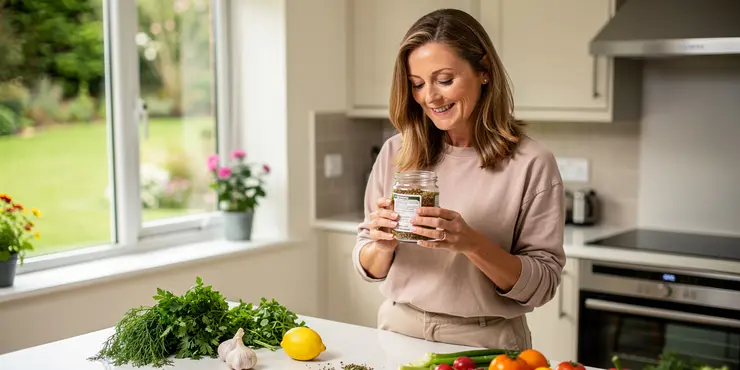
Use herbs, spices, and lemon juice to add flavour to your cooking instead of salt. Garlic, black pepper, and ginger can enhance taste without adding sodium.
If you do use salt, add it towards the end of cooking. This limits how much you feel you need since its effects are immediate.
Limit Processed Foods
Processed foods often contain high levels of salt. Opt for fresh or frozen foods rather than ready meals or snacks like crisps and salted nuts.
When shopping, choose reduced-salt options when available. Even everyday staples like bread and cereals can have varying salt levels across brands.
Be Mindful of Sauces and Condiments
Sauces, dressings, and condiments are often high in salt. Use them sparingly or look for low-salt alternatives.
Consider making your own dressings or sauces to have better control over your salt intake. Simple vinegar and olive oil make excellent dressing bases with added herbs.
Gradually Reduce Your Salt Usage
Your taste for salt is adaptable. Gradually reducing salt helps your palate adjust to less salty flavours, making it easier to consume less sodium overall.
Small changes over time can lead to significant health benefits. Start by cutting back on salty snacks and work towards reducing salt in home-cooked meals.
Seek Support and Resources
Speak with a healthcare provider or nutritionist for personalised advice. They can offer support and strategies tailored to your needs.
Educational resources are also available through public health campaigns. The UK government and charities provide guidelines and tools to help manage salt intake effectively.
Frequently Asked Questions
Reducing salt intake is important because high sodium levels are linked to increased risk of high blood pressure, heart disease, and stroke.
The World Health Organization recommends consuming less than 5 grams of salt per day, which is about one teaspoon.
Use herbs and spices instead of salt to flavor food, and avoid adding salt during cooking or at the table.
Processed and packaged foods, such as chips, crackers, canned soups, and deli meats, often contain high levels of salt.
Request dressings and sauces on the side, ask for meals to be cooked without added salt, and choose dishes with fresh, whole ingredients.
Try using lemon juice, garlic, onion powder, herbs, and spices as alternatives to salt.
Read food labels carefully to check the sodium content per serving, and compare products to find lower-sodium options.
While it's important to reduce intake, the body still needs some sodium for proper function. Focus on moderation instead.
Excess salt consumption can lead to symptoms such as thirst, swelling, and increased blood pressure.
Drinking water can help the body eliminate excess sodium, but it is not a substitute for reducing salt intake.
Sea salt and table salt contain similar amounts of sodium by weight, so neither is a low-sodium substitute.
Lowering salt intake can help decrease blood pressure by reducing the amount of fluid retained in the body.
Reduce added salt amounts, use fresh ingredients, and incorporate more fruits and vegetables into your meals.
The DASH diet is designed to reduce blood pressure and emphasizes foods low in sodium such as fruits, vegetables, and whole grains.
Gradually reduce salt levels in your diet to help your taste buds adapt to less salty flavors over time.
Potassium chloride is often used as a salt substitute, but consult a doctor if you have kidney issues or are on medication.
Exercise can help lower blood pressure and improve heart health, complementing the effects of a low-sodium diet.
Grilling, steaming, and roasting enhance natural flavors without needing extra salt.
Opt for unsalted nuts, fruits, and vegetables as snacks instead of processed, salty options.
Conditions that benefit include hypertension, heart disease, chronic kidney disease, and osteoporosis.

Ergsy Search Results
This website offers general information and is not a substitute for professional advice.
Always seek guidance from qualified professionals.
If you have any medical concerns or need urgent help, contact a healthcare professional or emergency services immediately.
Some of this content was generated with AI assistance. We've done our best to keep it accurate, helpful, and human-friendly.
- Ergsy carefully checks the information in the videos we provide here.
- Videos shown by Youtube after a video has completed, have NOT been reviewed by ERGSY.
- To view, click the arrow in centre of video.
- Most of the videos you find here will have subtitles and/or closed captions available.
- You may need to turn these on, and choose your preferred language.
- Go to the video you'd like to watch.
- If closed captions (CC) are available, settings will be visible on the bottom right of the video player.
- To turn on Captions, click settings.
- To turn off Captions, click settings again.