
Speak To An Expert
Get clear, personalised advice for your situation.
Jot down a few questions to make the most of your conversation.
How to Sleep Comfortably During a Heatwave
Cool Your Environment
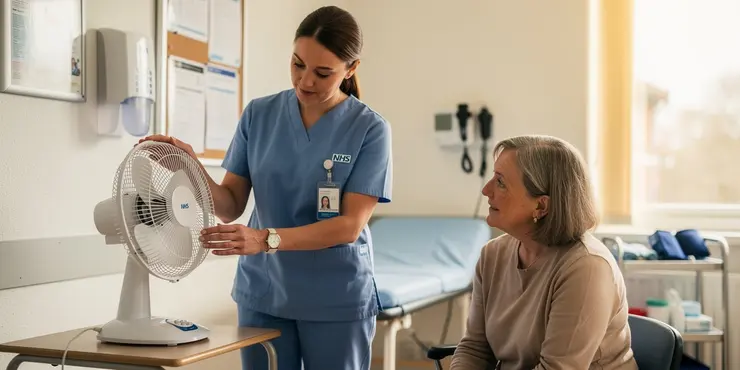
During a heatwave, keeping your sleeping environment as cool as possible is crucial. Consider investing in blackout curtains to block out the sun during the day and reduce the heat that accumulates in your bedroom. At night, keep your windows open to allow any cool air to flow through your room. Using a fan can help circulate air; for extra cooling, place a shallow bowl of ice in front of the fan so the air blowing towards you is chilled.Choose Breathable Bedding
Sleeping comfortably in the heat often comes down to choosing the right bedding materials. Opt for lightweight, breathable fabrics like cotton or linen sheets, which can help wick moisture away from your body. Avoid heavy, synthetic materials that trap heat. Additionally, consider using a lighter duvet or just a sheet during particularly hot nights.Optimise Your Sleepwear
What you wear to bed can also impact how comfortably you sleep during a heatwave. Choose loose, breathable nightwear made from natural fibres, like cotton. This will ensure better air circulation around your body, helping you stay cool throughout the night.Stay Hydrated
Hydration is key during hot weather. Drinking plenty of water throughout the day will help regulate your body temperature. However, try to avoid drinking large amounts just before bed to prevent waking up multiple times during the night. You can also keep a glass of water by your bedside in case you wake up thirsty.Cool Your Body
Give your body a chance to cool down before bed by taking a lukewarm shower. This helps to lower your core temperature and can make falling asleep easier. Alternatively, you can apply a damp, cool flannel to pulse points like your wrists and neck. Some people find relief by sleeping with a chilled hot water bottle, placing it near their feet or at the base of their neck.Utilise Cooling Devices
If heatwaves become frequent, consider investing in a portable air conditioning unit or a cooling mattress pad. These devices can provide significant relief during hot nights. Check their energy efficiency to ensure they won’t lead to a substantial increase in your electricity bill. By implementing these strategies, you can create a cool, comfortable sleeping environment that promotes restful sleep even during the hottest UK heatwaves.How to Sleep Comfortably During a Heatwave
Cool Your Room
When it is very hot, keep your room as cool as you can. Use dark curtains to block the sun in the day. Open windows at night to let in cool air. Use a fan to move the air. Put a bowl of ice in front of the fan to make it cooler.Use Light Bedding
To sleep well when it is hot, use light bed covers. Choose cotton or linen sheets. They let air through and keep you dry. Do not use heavy blankets. Use just a sheet or a light blanket if it is too hot.Wear Cool Sleep Clothes
What you wear to bed matters when it is hot. Wear loose clothes made of cotton. They help air move around your body and keep you cool.Drink Water
Drink lots of water during the day when it is hot. It helps keep your body cool. But do not drink too much before bed, so you do not need to wake up at night to go to the toilet. Keep a glass of water next to your bed.Cool Your Body
Before bed, take a lukewarm shower. This cools your body down. You can also use a damp, cool cloth on your wrists and neck. Some people like to sleep with a cold water bottle near their feet.Use Cooling Tools
If it is often hot, think about getting a small air conditioning unit or a cooling mattress pad. These help a lot at night. Check they do not use too much electricity. By using these tips, you can keep your room cool and sleep well even when it is very hot outside.Frequently Asked Questions
Close curtains or blinds during the day to block out the sun and open windows at night for cooler air to circulate. Consider using a fan.
Opt for light, breathable bedding like cotton or linen sheets, which allow better air circulation and sweat absorption.
Place a bowl of ice or chilled water in front of the fan to cool the air it circulates. Alternatively, use the fan to draw cooler night air into the room.
Yes, a lukewarm shower can lower your body temperature and help you cool down, making it easier to fall asleep.
Drink plenty of water throughout the day and keep a glass of water by your bedside to sip if you wake up thirsty.
Sleeping alone can help reduce body heat buildup, making it more comfortable if your room is especially warm.
Yes, cooling pillows and mattresses are designed to dissipate heat and can provide comfort during warm nights.
Wear loose, lightweight clothing made from natural fibres like cotton to help your skin breathe.
Going to bed slightly later or waking up earlier might help as the cooler parts of the night are more conducive to sleep.
Yes, blackout curtains can block out sunlight effectively, helping to keep your room cooler during the day.
If you have air conditioning, set it to a comfortable but not too cold temperature to avoid waking up chilly in the middle of the night.
Create a cross breeze by opening windows on opposite sides of your home to allow natural airflow and cooler night air.
Heat rises, so sleeping on the floor where it's cooler can be a good option if your bed feels too warm.
Avoid caffeine, alcohol, and heavy meals before bed as they can increase body temperature and disturb sleep.
Applying a damp, cold cloth to your wrists, neck or forehead can help cool you down quickly before going to sleep.
Keep the curtains or blinds closed in the day to keep the sun out. Open the windows at night to let cool air in. You can use a fan to help keep the room cool.
Choose light and comfy bed covers like cotton or linen sheets. They help air move around and soak up sweat.
Put a bowl of ice or cold water in front of the fan. This makes the air cooler. Another idea is to use the fan to bring in cool air from outside at night.
A warm shower that is not too hot can help your body feel cooler. This can make it easier for you to fall asleep.
Drink lots of water during the day. Keep a glass of water next to your bed for when you wake up and feel thirsty.
Sleeping by yourself can help you stay cooler. This is good if your room is very warm.
Yes, cooling pillows and mattresses help you stay cool. They take away heat so you can feel comfy on hot nights.
Wear clothes that are loose and light. Clothes made from natural stuff like cotton let your skin breathe.
Going to bed a bit later or waking up a bit earlier can help you sleep better. It's cooler at night, which helps with sleep.
Yes, blackout curtains can stop sunlight, which helps keep your room cooler during the day.
If you have air conditioning, set it to a nice, not too cold temperature. This helps you stay warm and sleep better all night.
Open windows on different sides of your house. This will let cool air come in and move around.
Warm air goes up. Sleeping on the floor can be cooler and nice if your bed feels hot.
Do not have drinks like coffee or alcohol before you go to bed. Also, do not eat big meals. These things can make your body feel too warm and stop you from sleeping well.
To cool down fast before bedtime, put a cold, wet cloth on your wrists, neck, or forehead.

Ergsy Search Results
This website offers general information and is not a substitute for professional advice.
Always seek guidance from qualified professionals.
If you have any medical concerns or need urgent help, contact a healthcare professional or emergency services immediately.
Some of this content was generated with AI assistance. We've done our best to keep it accurate, helpful, and human-friendly.
- Ergsy carefully checks the information in the videos we provide here.
- Videos shown by Youtube after a video has completed, have NOT been reviewed by ERGSY.
- To view, click the arrow in centre of video.
- Most of the videos you find here will have subtitles and/or closed captions available.
- You may need to turn these on, and choose your preferred language.
- Go to the video you'd like to watch.
- If closed captions (CC) are available, settings will be visible on the bottom right of the video player.
- To turn on Captions, click settings.
- To turn off Captions, click settings again.