
Speak To An Expert
Get clear, personalised advice for your situation.
Jot down a few questions to make the most of your conversation.
Introduction
Supporting your local food bank is an impactful way to aid those in need within your community. Food banks provide essential services by supplying food parcels to individuals and families who might be experiencing financial hardship. In the UK, demand for food bank services has been rising, underscoring the importance of community support. Whether through donations, volunteering, or advocacy, there are various ways to contribute.
Donate Food
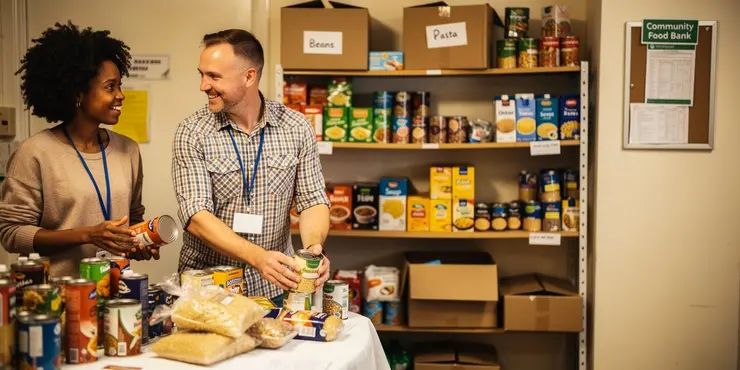
One of the most straightforward ways to support your local food bank is by donating non-perishable food items. Typical items needed include canned goods, pasta, rice, cereals, and long-life milk. Toiletries and baby supplies are also often in demand. Before donating, it's wise to check with the food bank to understand their most urgent needs, as these can vary.
Monetary Donations
Monetary donations provide food banks with the flexibility to purchase items that are in short supply or to fund operational costs. Many UK food banks accept one-time contributions or offer the ability to set up regular donations through direct debit. Financial support can make a significant difference and help sustain their vital work over the long term.
Volunteer Your Time
Volunteers are essential to the operation of food banks. You can help by sorting and packing food parcels, assisting with distribution, or supporting administrative tasks. Volunteering your time is a practical way to contribute, providing much-needed manpower to carry out day-to-day tasks and help expand the food bank’s reach within the community.
Organise a Food Drive
Consider organising a food drive in your workplace, school, or community group. This can significantly increase the food and resources available to your local food bank. Collaborating with others can amplify your impact, and many food banks are happy to provide guidance and promotional materials to support your efforts.
Advocate and Raise Awareness
Raising awareness about food insecurity and the essential role that food banks play is crucial. Use social media, community forums, or local events to spread the word. Advocacy can also involve encouraging local businesses to support food banks, either through donations or by providing food products at a reduced cost.
Conclusion
Supporting your local food bank is a meaningful way to make a positive difference in your community. Whether through direct donations, volunteering, or advocacy, every contribution helps to fight hunger and support those in need. By taking action, you not only provide essential resources but also foster a spirit of community solidarity and caring.
Introduction
Helping your local food bank is a great way to support people in need in your community. Food banks give food to people and families who don't have enough money. In the UK, more and more people need help from food banks, so they need our support. You can help by giving food, money, or your time, or by telling others about it.
Donate Food
Giving food is an easy way to help your local food bank. They need food that doesn't go bad quickly, like canned food, pasta, rice, cereals, and long-lasting milk. They also need toiletries and baby supplies. Before you donate, ask the food bank what they need the most, as their needs can change.
Monetary Donations
Giving money helps food banks buy the items they need and keep running. Many UK food banks accept one-time money donations, or you can set up regular donations from your bank account. Your financial help can make a big difference and keep them going.
Volunteer Your Time
Food banks need volunteers to work. You can help by sorting and packing food, handing out food, or doing office work. Volunteering is a practical way to help and gives the food bank the manpower they need to do their daily tasks.
Organise a Food Drive
Think about organising a food drive at your work, school, or with your community group. This can get more food and supplies for your local food bank. When you work with others, you can make a bigger impact. Food banks can give you tips and materials to help your food drive succeed.
Advocate and Raise Awareness
It's important to let others know about food insecurity and how food banks help. Use social media, community meetings, or local events to share the message. You can also ask local businesses to support food banks by donating food or giving it at a lower price.
Conclusion
Helping your local food bank is a great way to make a positive change in your community. Whether you give food, money, time, or spread the word, every action helps fight hunger and support those in need. By helping, you give important resources and show your community that you care.
Frequently Asked Questions
A food bank is a non-profit organization that collects, stores, and distributes food to those in need in the community.
You can find your local food bank by searching online for 'food bank near me' or visiting websites such as Feeding America or Foodpantries.org.
Food banks often need non-perishable items like canned goods, pasta, rice, cereal, and shelf-stable milk. Always check with the food bank for specific needs.
Yes, many food banks accept fresh produce. It's best to check with your local food bank about their policies on perishable items.
Yes, monetary donations are extremely beneficial as they allow food banks to purchase items they need most and cover operational costs.
Yes, food banks often need volunteers to help sort and distribute food. Contact your local food bank to find out about volunteer opportunities.
Besides donating food or money, you can support your food bank by organizing food drives, advocating for hunger relief, and spreading awareness.
Yes, organizing a food drive is a great way to support your local food bank. Contact the food bank to learn about organizing and delivering the collected items.
Many food banks accept non-food items like toiletries and personal care products, as they are important for those in need.
You can donate as often as you're able. Regular donations help ensure a consistent supply of food for those in need.
Yes, many food banks offer options for recurring monthly or annual donations, which provide reliable support.
Avoid donating expired food, items in glass containers, and perishable items that require refrigeration, unless specified by the food bank.
Food banks often need more support during the holiday season and in summer when school meal programs are not in session.
Yes, businesses can contribute through corporate donations, employee volunteer programs, and by hosting food drives.
You can raise awareness through social media, community events, and by partnering with local organizations and schools to support food bank initiatives.
Virtual food banking allows people to donate money online, which the food bank uses to purchase food at bulk prices, maximizing contributions.
Food banks follow strict guidelines for food safety, including proper storage, regular inspections, and adhering to local health regulations.
Yes, most food banks accept baby formula and food, but it's important that these items are unopened and within their expiration dates.
Schools can host food drives, include food bank education in their curriculum, and partner with food banks for volunteer events.
Donations help food banks provide meals to those struggling with food insecurity, improving nutrition and well-being in the community.
A food bank is a place that helps people who need food. It collects, keeps, and gives out food to people in the community who need it.
You can find a food bank near you by looking online. Type 'food bank near me' into a search engine. You can also visit websites like Feeding America or Foodpantries.org for help.
Food banks need food that lasts a long time. Things like cans of food, pasta, rice, cereal, and milk that can stay on the shelf. It's good to ask the food bank what they need most.
Yes, many food banks take fresh fruits and veggies. It is a good idea to ask your local food bank if they can take fresh food.
Yes, giving money is very helpful. It lets food banks buy what they need most and pay for their costs.
Here are some useful tools or ways to help understand:
- Use pictures or drawings to explain the ideas.
- Read the text out loud with someone to help.
- Ask questions if you don’t understand.
Yes, food banks need helpers. They need people to sort and give out food. Call or visit your local food bank to see how you can help.
You can help your food bank in many ways. You can give food or money. You can also help by starting food collection events. You can talk to others about stopping hunger. You can tell more people about the food bank.
Yes, you can help by making a food drive. This helps people who need food. Talk to your local food bank. They will tell you how to collect and give them the food.
Food banks help people who need food. They also take other things, like soap and toothpaste, because these things are important too.
You can give food whenever you can. Giving food regularly helps make sure people always have enough to eat.
Yes, many food banks let you give money every month or year. This helps them a lot.
Do not give food banks food that is out of date. Do not give them food in glass jars or food that needs a fridge to stay fresh. Only give these if the food bank asks for them.
Food banks need extra help during the holidays and in the summer. This is because school meal programs are closed then.
Yes, businesses can help in different ways. They can give money, have their workers help out, or collect food by having food drives.
You can help people know more by using social media, going to community events, and working with local groups and schools to support food banks.
Virtual food banking is a way to help others. People give money online. The food bank then uses this money to buy a lot of food at a lower price. This means they can help more people.
To make this easier, you can use tools like online donation forms. They are simple to fill out. Also, you can watch videos about how the food bank works. This can help you understand more.
Food banks have important rules to keep food safe. They keep food in the right places, check it often, and follow local health rules.
Yes, most food banks can take baby formula and food. But remember, these items must be unopened and not past their expiration date.
Schools can help by collecting food, teaching kids about food banks, and working with food banks for volunteer events.
Giving food and money helps food banks. Food banks give meals to people who don’t have enough to eat. This helps make people in the community healthier and feel better.

Ergsy Search Results
This website offers general information and is not a substitute for professional advice.
Always seek guidance from qualified professionals.
If you have any medical concerns or need urgent help, contact a healthcare professional or emergency services immediately.
Some of this content was generated with AI assistance. We've done our best to keep it accurate, helpful, and human-friendly.
- Ergsy carefully checks the information in the videos we provide here.
- Videos shown by Youtube after a video has completed, have NOT been reviewed by ERGSY.
- To view, click the arrow in centre of video.
- Most of the videos you find here will have subtitles and/or closed captions available.
- You may need to turn these on, and choose your preferred language.
- Go to the video you'd like to watch.
- If closed captions (CC) are available, settings will be visible on the bottom right of the video player.
- To turn on Captions, click settings.
- To turn off Captions, click settings again.