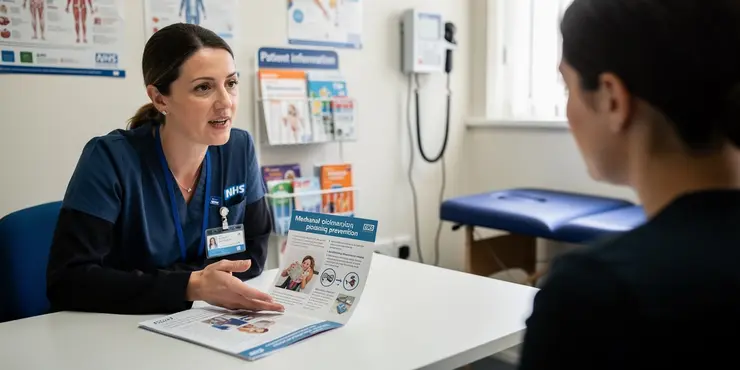

Speak To An Expert
Get clear, personalised advice for your situation.
Jot down a few questions to make the most of your conversation.
Understanding Methanol Poisoning
Methanol poisoning can occur when methanol, a toxic alcohol found in various industrial and household products, is ingested, inhaled, or absorbed through the skin. Unlike ethanol (the type of alcohol found in beverages), methanol is highly toxic and can cause serious harm to the central nervous system and lead to metabolic acidosis, blindness, or even death. With certain illegal alcoholic beverages possibly containing methanol, it is crucial to be aware of preventive measures to avoid exposure and poisoning.
Avoiding Contaminated Alcohol
One of the key prevention strategies is to ensure the consumption of only regulated and properly produced alcoholic beverages. In the UK, purchasing alcohol from reputable sources helps mitigate the risk of consuming products that may have been contaminated with methanol. Abstaining from homemade spirits or those of unknown origin is equally important. Always check for a UK duty stamp on bottles, which indicates that the product has passed through the appropriate channels of distribution and taxation.
Safe Use of Industrial Products
Methanol is a common ingredient in products such as antifreeze, windshield wiper fluid, paint thinners, and other industrial or cleaning solvents. When using such products, ensure that they are properly labeled and store them in clearly marked containers out of reach of children. Always adhere strictly to usage instructions and safety guidelines provided by the manufacturer, including the use of appropriate personal protective equipment such as gloves and safety goggles, especially in poorly ventilated areas.
Education and Awareness
Raising awareness about the dangers of methanol and its sources is another effective prevention strategy. Public health campaigns and educational programs can help inform people about the risks associated with methanol exposure. These initiatives can target groups at higher risk, such as those working in industries that routinely use methanol or individuals in communities where illegal alcohol may be more prevalent. Disseminating information on how to recognize and respond to symptoms of methanol poisoning, which may include headaches, dizziness, nausea, and blurred vision, is also crucial.
Prompt Medical Attention
If methanol exposure is suspected, obtaining medical attention without delay is vital. Early treatment can significantly reduce the toxic effects of methanol and improve the chances of recovery. Healthcare providers may administer antidotes and provide supportive treatment to counteract methanol's effects on the body. Quick and decisive action can be the difference between recovery and severe health outcomes.
Conclusion
Preventing methanol poisoning requires a multi-faceted approach that includes using safe practices when handling potentially hazardous products, staying informed about the risks, and ensuring the consumption of legitimate alcoholic beverages. By remaining vigilant and proactive in these areas, the risks associated with methanol poisoning can be significantly minimized in the UK.
Know About Methanol Poisoning
Methanol poisoning happens when someone takes in methanol by eating, breathing, or touching it. Methanol is a bad type of alcohol that can hurt the body. It is not like the alcohol in drinks, which is called ethanol. Methanol can make you very sick, hurt your brain, or even cause death. Some illegal drinks might have methanol, so it is important to know how to stay safe and avoid poisoning.
Stay Away from Bad Alcohol
To avoid methanol, drink only alcohol that is made and sold by trusted places. In the UK, buy alcohol from shops you trust. This helps avoid drinks with methanol. Do not drink homemade alcohol or drinks from unknown places. Look for a UK duty stamp on bottles to know they are safe.
Use Industrial Products Safely
Methanol can be in things like antifreeze, cleaning liquids, and paint thinners. When using these, make sure they are labeled correctly. Keep them away from children. Read and follow the instructions on the label. Wear safety gloves and goggles if needed, especially in areas without much air.
Learn and Share Information
Learning about methanol and its dangers is a good way to stay safe. Health programs can teach people about this. People who work where methanol is used might need to know more. Places where illegal alcohol is common should share information too. Learn the signs of methanol poisoning like headaches, feeling dizzy, or having blurry vision.
Get Medical Help Quickly
If you think someone has touched or swallowed methanol, get medical help fast. Doctors can give treatments to fight methanol’s bad effects. Quick help can mean the difference between getting better or not.
Final Thoughts
Stopping methanol poisoning means being careful when using certain products and drinking only safe alcohol. Learn about the risks and stay alert. By doing this, the chances of methanol poisoning can be lowered a lot in the UK.
Frequently Asked Questions
Methanol poisoning occurs when someone is exposed to methanol, a toxic alcohol found in a variety of industrial and household products, and ingests, inhales, or comes into skin contact with it.
Common sources include antifreeze, windshield washer fluid, paint thinners, denatured alcohol, and improperly distilled alcoholic beverages.
Store products containing methanol out of reach of children and pets, and in properly labeled containers. Never transfer such products to food or drink containers.
Proper labeling helps prevent accidental ingestion or misuse by making it clear that the product is toxic and not meant for consumption.
Industries can implement safety protocols, provide protective equipment, and ensure proper ventilation and training for employees working with methanol.
Yes, methanol can be present in poorly distilled alcoholic beverages, especially homemade or illicit alcohol. Ensure any alcohol consumed is from a reputable source.
Proper ventilation reduces inhalation of methanol fumes, minimizing the risk of poisoning for those working with or around methanol-containing products.
Seek immediate medical attention if methanol exposure or poisoning is suspected, as it can be life-threatening without prompt treatment.
Educating individuals on the dangers of methanol and how to handle products safely can prevent accidental exposure and poisoning.
Tasting or smelling can lead to accidental ingestion or inhalation of toxic substances like methanol, leading to poisoning.
Wearing gloves, goggles, and masks when handling methanol-containing products can prevent skin contact and inhalation.
Proper disposal ensures that these toxic substances do not contaminate the environment or fall into the hands of uninformed individuals.
Symptoms include headache, dizziness, nausea, vomiting, abdominal pain, and in severe cases, vision problems, seizures, or coma.
Yes, methanol can be absorbed through the skin, so it's important to use protective clothing and wash off any spills immediately.
Methanol can be toxic if absorbed through the skin, so it's important to avoid using it as a disinfectant or cleaner on wounds.
Yes, children are more vulnerable to methanol poisoning due to their smaller body size and developing systems.
Regulatory oversight ensures proper labeling, safe manufacturing, and distribution practices for methanol and methanol-containing products.
Methanol should be transported in proper containers, with clear labeling, and in compliance with safety regulations to prevent leaks or spills.
Yes, many products have safer alternatives that do not contain methanol. It's advisable to choose these when available to reduce poisoning risks.
Evacuate the area, ensure proper ventilation, and contact emergency services or a hazardous materials team to handle the spill safely.
Methanol poisoning happens when a person is around methanol, a harmful type of alcohol. This alcohol is in many things used at work and home. You can get sick if you drink it, breathe it in, or get it on your skin.
These are things that can be poisonous:
- Antifreeze for cars.
- Windshield cleaner for cars.
- Paint thinners.
- Special alcohol for cleaning.
- Badly made drinks with alcohol.
If you find these things, tell an adult. Some people use pictures or talk-to-type apps to help them make reading easier.
Keep things with methanol away from kids and pets. Put them somewhere they can't reach.
Make sure the bottles have the right labels.
Don't pour these things into food or drink bottles.
Labels help keep people safe. They show that something is poison and should not be eaten or used in the wrong way.
Factories can keep workers safe by doing a few things. They can make safety rules, give workers safety gear to wear, and make sure air is clean. They can also teach workers how to handle methanol safely.
Methanol can be in badly made alcohol, like homemade or illegal drinks. Make sure any alcohol you drink is from a safe place.
Opening windows or using fans helps get rid of methanol fumes in the air. This makes it safer for people working with products that have methanol in them. It helps stop people from getting sick from breathing in methanol fumes.
If you think someone has touched or swallowed methanol, get help from a doctor right away. Methanol can be very dangerous without quick medical care.
Teaching people about the dangers of methanol and how to use things safely can stop accidents and poisoning.
When you taste or smell something, you might accidentally swallow or breathe in harmful stuff like methanol. This can make you sick.
Wear gloves, goggles, and masks when using things that have methanol. This helps keep your skin safe and stops you from breathing it in.
Getting rid of these bad chemicals the right way helps keep our world clean and safe. It also stops people who don’t know how dangerous they are from getting hurt.
Signs of illness can be:
- Headache
- Dizziness (feeling like you might fall)
- Feeling sick (nausea)
- Throwing up (vomiting)
- Tummy ache
In bad cases, you might have:
- Trouble seeing
- Fits (seizures)
- Deep sleep that you can't wake up from (coma)
If these happen, it's important to tell an adult or go to the doctor. Picture books or videos can help explain more about how you feel.
Methanol can get into your body through your skin. So, it's important to wear protective clothes. If you spill it on yourself, wash it off right away.
Methanol can be harmful if it gets on your skin. So, don't use it to clean cuts or scrapes.
Yes, children can get sick from methanol faster because they are smaller and still growing.
Regulatory oversight makes sure that labels are correct and that methanol and products with methanol are made and sent out safely.
Methanol needs to be carried in the right containers. These containers should have clear labels. This helps people know what is inside. Follow safety rules to stop any leaks or spills.
Yes, many products have safer choices that do not have methanol. It's good to pick these if you can to stay safe.
Leave the area to stay safe. Open windows and doors to let air in. Call emergency help or ask a special team to clean up the spill safely.

Ergsy Search Results
This website offers general information and is not a substitute for professional advice.
Always seek guidance from qualified professionals.
If you have any medical concerns or need urgent help, contact a healthcare professional or emergency services immediately.
Some of this content was generated with AI assistance. We've done our best to keep it accurate, helpful, and human-friendly.
- Ergsy carefully checks the information in the videos we provide here.
- Videos shown by Youtube after a video has completed, have NOT been reviewed by ERGSY.
- To view, click the arrow in centre of video.
- Most of the videos you find here will have subtitles and/or closed captions available.
- You may need to turn these on, and choose your preferred language.
- Go to the video you'd like to watch.
- If closed captions (CC) are available, settings will be visible on the bottom right of the video player.
- To turn on Captions, click settings.
- To turn off Captions, click settings again.