
Get Answers
Introduction
Mobility equipment plays a crucial role in enhancing the quality of life for individuals in the UK who face challenges with movement and independence. From wheelchairs to walking aids, the variety of available equipment helps users regain freedom, improve physical well-being, and enjoy a fulfilling life.
Enhancing Independence
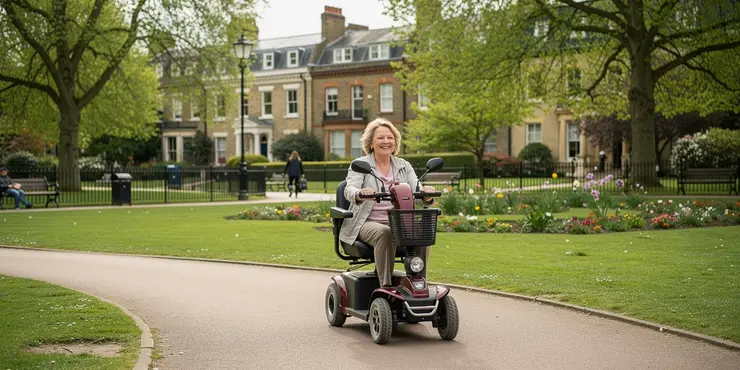
One of the most significant benefits of mobility equipment is the enhancement of personal independence. Devices such as powered wheelchairs and mobility scooters allow users to maneuver through their environments with ease. This independence reduces reliance on caregivers and family, providing users with the ability to perform daily activities such as shopping and socialising on their terms.
Improving Social Connectivity
Social isolation can be a common issue for individuals with mobility challenges. Mobility equipment enables users to participate in social events, visit friends, and engage with their communities. By making it easier to leave the home, these devices help foster social connections, which are essential for mental health and overall well-being.
Supporting Physical Health
Mobility aids are not simply about movement—they also support physical health. Walking aids like canes and rollators encourage exercise, which is vital for maintaining muscle strength and joint health. For those unable to walk, using a wheelchair or scooter ensures proper posture and reduces the risk of developing sores or joint problems due to prolonged inactivity.
Enhancing Safety
Safety is a primary concern for individuals with restricted mobility, and equipment such as grab rails, stairlifts, and emergency alarms significantly enhances home safety. These aids reduce the risk of falls and enable users to feel secure while navigating their environment. By modifying living spaces with appropriate equipment, the chances of accidents at home can be greatly diminished.
Increasing Accessibility
Mobility equipment dramatically increases accessibility to various locations. Public transportation in the UK often accommodates wheelchairs and scooters, thereby expanding opportunities for work, education, and leisure activities. Additionally, many public spaces are equipped with ramps and lifts, ensuring users can access the same places as others without mobility challenges.
Boosting Confidence
Using mobility equipment can significantly boost an individual’s confidence. When users feel capable of navigating their worlds without assistance, their self-esteem improves. This confidence can translate into pursuing new hobbies, jobs, and social interactions, which improve life satisfaction and happiness.
Conclusion
In the UK, the availability and use of mobility equipment are vital to enhancing individuals’ quality of life. By promoting independence, improving social engagement, maintaining physical health, and enhancing safety and accessibility, these devices ensure that mobility-impaired individuals lead active, inclusive, and fulfilling lives. As technological advances continue, the impact of mobility aids will likely increase, offering even greater benefits in the future.
Introduction
Mobility equipment helps people in the UK who have trouble moving. This equipment includes things like wheelchairs and walking sticks. It helps people move freely, feel better, and enjoy life more.
Enhancing Independence
Mobility equipment helps people to be more independent. Things like powered wheelchairs and scooters help people move around easily. This means they don’t need as much help from others and can do things like shopping and meeting friends on their own.
Improving Social Connectivity
People with mobility problems might feel lonely. Mobility equipment helps them go to social events, visit friends, and join in with their community. This makes it easier to leave the house and keeps people connected, which is good for mental health.
Supporting Physical Health
Mobility aids help with exercise too. Walking aids like canes help people keep their muscles strong. For those who can't walk, wheelchairs or scooters help them sit properly and avoid health problems from sitting too long.
Enhancing Safety
It's important to be safe at home. Things like grab rails and stairlifts help prevent falls. They help people feel safe and move around their homes without fear. This reduces the chance of accidents at home.
Increasing Accessibility
Mobility equipment helps people reach different places. In the UK, buses and trains often have space for wheelchairs and scooters. Public places also have ramps and lifts so everyone can go to the same places.
Boosting Confidence
Using mobility equipment makes people feel more confident. When they can move around by themselves, they feel better about themselves. This confidence helps them try new things and be happy.
Conclusion
In the UK, mobility equipment is very important for helping people live better lives. It helps them be independent, meet others, stay healthy, and feel safe. As technology gets better, these aids will help even more in the future.
Frequently Asked Questions
Mobility equipment includes devices designed to assist individuals in moving from one place to another more easily and safely. This can include wheelchairs, scooters, walkers, canes, and crutches.
Mobility equipment enables individuals with mobility impairments to perform daily activities more independently, reducing reliance on others and enhancing their ability to participate in everyday tasks and social activities.
Yes, by providing support and proper alignment, mobility equipment can help reduce strain on the body, alleviate pain, and prevent further injury.
Mobility equipment improves safety by providing stability and support, helping to prevent falls and accidents that could occur if an individual is unsteady on their feet.
Mobility equipment can help individuals attend social gatherings, visit friends or family, and participate in community events, reducing isolation and enhancing social interaction.
Yes, using mobility equipment can boost confidence and reduce anxiety related to mobility challenges, improving overall mental well-being and self-esteem.
Mobility equipment can provide the necessary support to ensure safe exercise participation, allowing individuals to stay active and maintain physical health, which is vital for overall well-being.
Yes, many mobility devices can be customized or adjusted to fit the specific needs and preferences of the user, ensuring greater comfort and effectiveness.
Mobility equipment can be an essential part of rehabilitation, helping individuals recover and regain independence after surgeries, injuries, or illnesses.
Mobility equipment enables individuals to perform tasks and move around independently, reducing the need for assistance from caregivers and enabling a more autonomous lifestyle.
Yes, there are mobility devices available for temporary use, such as after an injury or surgery, including rental options for wheelchairs, crutches, and walkers.
Mobility equipment can enhance accessibility by allowing individuals to navigate environments that may have been challenging without assistance, such as uneven surfaces or stairs.
Yes, advancements in technology have led to more innovative mobility solutions, such as power wheelchairs, smart walkers, and devices that are easier to maneuver or control.
For seniors, common mobility aids include canes, walkers, wheelchairs, scooters, and stair lifts, each designed to address different levels of mobility needs.
Certain mobility devices, such as scooters and lightweight wheelchairs, are designed to facilitate easier transportation and accessibility in vehicles and public transport systems.
Mobility equipment can ease the responsibilities of caregivers by reducing the physical demands of assisting with mobility, allowing caregivers to focus on other aspects of care.
Coverage for mobility equipment varies by insurance provider and policy, but many medical insurance plans, Medicare, and Medicaid may cover all or part of the costs for necessary mobility devices.
Yes, many mobility devices are designed for outdoor use, enabling individuals to enjoy outdoor activities like going to parks, trails, or outdoor events with greater ease and comfort.
When selecting mobility equipment, consider the user's specific needs, lifestyle, environment, physical condition, and whether the equipment requires a healthcare provider's assessment for proper selection.
Mobility equipment can be obtained through medical supply stores, through prescription from healthcare providers, via online vendors, or through rental services for those with temporary needs.
Mobility tools help people move around more easily and safely. These tools can be wheelchairs, scooters, walkers, canes, and crutches.
Mobility equipment helps people move around on their own. It lets people do things by themselves without needing help all the time. This means they can join in with daily tasks and fun activities with other people.
Yes, things like wheelchairs and walkers can help your body feel better. They make sure your body stays in the right position. This can stop pain and help you not get hurt again.
Mobility equipment helps keep people safe. It gives support and keeps you steady, which stops you from falling and having accidents.
Mobility equipment can help people go to parties, see friends or family, and join in community activities. This makes them feel less alone and helps them talk to others.
Yes, using things like wheelchairs or walking sticks can help you feel more confident. It can make you worry less about moving around. This can make you feel happier and better about yourself.
Mobility equipment can help people exercise safely. This helps them stay active and healthy, which is important for feeling good.
Yes, many walking aids like wheelchairs and scooters can be changed to fit what you need and like. This makes them more comfy and helpful for you.
Mobility tools are important for getting better and feeling strong after things like surgeries, accidents, or sicknesses. They help people move on their own again.
Mobility equipment helps people to move around by themselves. It means they can do things on their own and do not need as much help from others. This makes life easier and more independent.
You can use special things to help you move if you hurt yourself or have an operation. You can rent things like wheelchairs, crutches, and walkers.
Mobility equipment helps people get around more easily. It makes it easier to move over bumpy ground or up and down stairs.
Yes, new technology helps make better ways to move around. These include power wheelchairs, smart walkers, and tools that are easier to use.
For older people, there are tools to help them move around. These tools are canes, walkers, wheelchairs, scooters, and stair lifts. Each tool can help with different needs for moving.
Some helpful tools like scooters and light wheelchairs make it easier for people to get around in cars and on buses or trains.
Mobility equipment can help caregivers by making it easier to move people. This means caregivers don’t have to work as hard and can help in other ways.
Different insurance companies and plans offer different help for people who need things to help them move. Many health insurance plans, like Medicare and Medicaid, might pay for some or all of the cost of the things you need to help you get around.
Yes, there are many wheelchairs and scooters that you can use outside. They help people go to parks, trails, and fun outdoor events more easily and comfortably.
Here are some tips to make reading easier:
- Break big words into smaller parts.
- Use a finger or ruler to follow the lines of text.
- Read aloud slowly to understand better.
When you pick equipment that helps with moving, think about these things:
- What the person needs.
- How they live each day.
- Where they live.
- Their physical health.
- If a doctor or nurse needs to help you choose the right equipment.
You can get things to help you move around, like wheelchairs or walkers, from medical stores. A doctor or nurse can help you get one, too. You can also buy them online or rent them if you only need them for a little while.

Ergsy Search Results
This website offers general information and is not a substitute for professional advice.
Always seek guidance from qualified professionals.
If you have any medical concerns or need urgent help, contact a healthcare professional or emergency services immediately.
Some of this content was generated with AI assistance. We've done our best to keep it accurate, helpful, and human-friendly.
- Ergsy carefully checks the information in the videos we provide here.
- Videos shown by Youtube after a video has completed, have NOT been reviewed by ERGSY.
- To view, click the arrow in centre of video.
- Most of the videos you find here will have subtitles and/or closed captions available.
- You may need to turn these on, and choose your preferred language.
- Go to the video you'd like to watch.
- If closed captions (CC) are available, settings will be visible on the bottom right of the video player.
- To turn on Captions, click settings.
- To turn off Captions, click settings again.