
Get Answers
Understanding MND and Its Impact
Motor Neurone Disease (MND) is a rare, progressive condition affecting the brain and nerves. Although there's no cure, advocacy is vital for raising awareness and improving patient care.
In the UK, MND affects approximately 5,000 people at any time. This underlines the importance of strong advocacy efforts to support research and aid for those affected.
Starting With Local Advocacy Groups
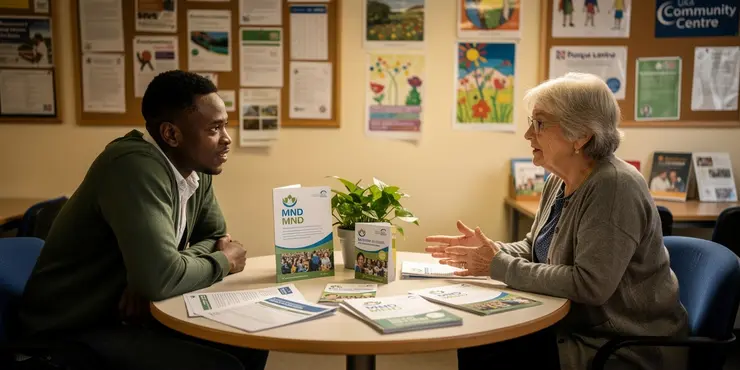
Local MND associations are an excellent entry point for advocacy work. These groups often organise events and information sessions to educate the community.
Volunteering with a local chapter allows you to meet others who are passionate about the cause. You'll gain insights into how you can contribute, whether through event organisation or community outreach.
Engaging in National Campaigns
The MND Association spearheads national advocacy campaigns across the UK. Getting involved can significantly amplify your efforts and impact.
Participating in national campaigns often involves lobbying MPs, raising awareness through social media, and participating in awareness days. These actions can lead to meaningful legislative and funding changes.
Using Social Media for Advocacy
Social media is a powerful tool for spreading awareness about MND. You can share personal stories, updates on research, and upcoming advocacy events.
Engaging with hashtags and community groups on platforms like Twitter and Facebook connects you with a wider audience. This can inspire others to join in and support advocacy efforts.
Fundraising and Donations
Fundraising is a crucial aspect of MND advocacy. Raising or donating funds supports essential research and patient services.
Organise or participate in charity events like marathons, bake sales, or online donation drives. Each contribution, no matter how small, can make a difference.
Educational and Public Speaking Opportunities
Speaking at schools, businesses, or public events can help increase awareness about MND. If you are knowledgeable about the topic, this is a direct way to inspire action.
Workshops and seminars are other effective ways to provide information and mobilise advocacy efforts. Sharing credible resources and research can empower others to become advocates themselves.
Collaborating with Healthcare Professionals
Building partnerships with healthcare professionals can enhance advocacy strategies. Healthcare providers offer valuable insights into patient care challenges.
Engage with medical staff at hospitals and clinics. This collaboration can lead to better support systems for patients and improved policy recommendations.
Frequently Asked Questions
MND advocacy involves activities and efforts aimed at raising awareness, driving policy changes, and supporting people affected by Motor Neurone Disease (MND).
You can learn more by researching MND through reputable websites, attending informational webinars, and connecting with MND organizations for resources.
Yes, organizations like the ALS Association, the MND Association, and other local groups focus on advocacy and support for those affected by MND.
Sharing personal stories can be done through social media, writing blog posts, participating in advocacy events, or working with MND organizations to share testimonies.
Volunteer opportunities include organizing events, participating in fundraising activities, providing support to affected families, and helping with advocacy campaigns.
You can raise awareness by sharing facts, personal stories, and updates about MND, using hashtags related to MND, and connecting with advocacy groups and campaigns.
You can participate in awareness walks, fundraising events, educational seminars, and community gatherings focused on MND advocacy.
You can help by organizing or participating in fundraising events, setting up online crowdfunding campaigns, and encouraging donations to MND research initiatives.
Advocacy efforts often focus on influencing policy and legislative changes to improve healthcare access, funding for research, and support services for those affected by MND.
Write letters, send emails, or schedule meetings with your local representatives to discuss the needs and challenges of those affected by MND, urging them to take action.
Yes, anyone motivated to make a difference can form a local advocacy group, bringing together passionate individuals to raise awareness and drive change for MND.
Storytelling personalizes the impact of MND, helping to foster empathy and understanding, and can be persuasive in gaining support for advocacy efforts.
Healthcare professionals can provide valuable insights, support research efforts, and help advocate for better healthcare policies for MND patients.
You can organize awareness days, share educational materials with coworkers, and encourage your company to support MND-related causes and events.
Yes, Global MND Awareness Day is observed on June 21st each year, and various local awareness events might be organized by advocacy groups.
Communication skills, passion for the cause, networking ability, and a good understanding of MND are beneficial for effective advocacy.
Schools and universities can organize awareness events, host guest speakers, and include MND topics in health and science curriculums.
Resources include educational materials from MND organizations, webinars, training programs, and guidance from experienced advocates.
Challenges include public awareness, limited research funding, and navigating complex healthcare policies, requiring persistent efforts from advocates.
Businesses can sponsor events, provide funding for research, encourage employee participation in advocacy efforts, and offer platforms for awareness campaigns.

Ergsy Search Results
This website offers general information and is not a substitute for professional advice.
Always seek guidance from qualified professionals.
If you have any medical concerns or need urgent help, contact a healthcare professional or emergency services immediately.
Some of this content was generated with AI assistance. We've done our best to keep it accurate, helpful, and human-friendly.
- Ergsy carefully checks the information in the videos we provide here.
- Videos shown by Youtube after a video has completed, have NOT been reviewed by ERGSY.
- To view, click the arrow in centre of video.
- Most of the videos you find here will have subtitles and/or closed captions available.
- You may need to turn these on, and choose your preferred language.
- Go to the video you'd like to watch.
- If closed captions (CC) are available, settings will be visible on the bottom right of the video player.
- To turn on Captions, click settings.
- To turn off Captions, click settings again.