
Get Answers
Signs your protein intake may be too low
Protein helps maintain muscle, support immunity, and keep you feeling satisfied after meals. If you are vegetarian or vegan and not getting enough, you may notice constant hunger, low energy, or slower recovery after exercise.
Other possible signs include hair thinning, brittle nails, and muscle loss over time. These symptoms can have many causes, so they are not proof of low protein on their own.
Common reasons it happens
People often eat enough calories but still fall short on protein, especially if meals are based mainly on bread, pasta, fruit, or vegetables. Vegetarian and vegan diets can be very healthy, but they still need a good balance of protein-rich foods.
In the UK, this can happen if someone relies too heavily on a few familiar foods and does not regularly include beans, lentils, tofu, tempeh, soy yoghurt, nuts, seeds, eggs, dairy, or protein-enriched products. Eating patterns matter as much as the food choice itself.
What to look at in your diet
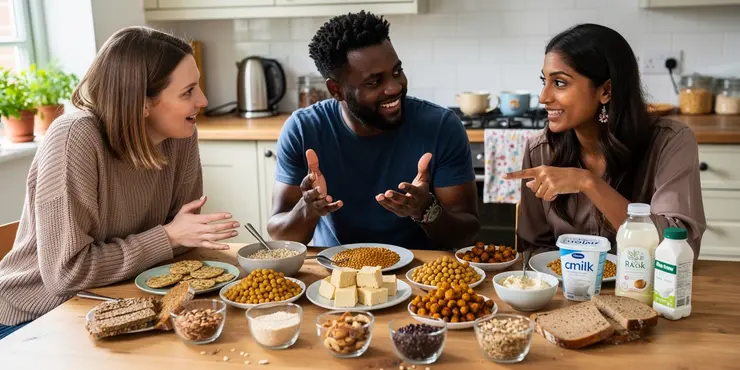
A useful check is whether each main meal includes a clear protein source. For vegans, that might be tofu, tempeh, edamame, lentils, chickpeas, beans, soya milk, or a meat alternative with a decent protein content.
For vegetarians, eggs, Greek-style yoghurt, cottage cheese, milk, and cheese can help, alongside plant foods. If your meals are mostly vegetables and starchy carbs, with only small amounts of protein-rich foods, intake may be too low.
Who may need more protein
Some people need more protein than others, including older adults, people who exercise regularly, and those recovering from illness or injury. If you are active, you may notice poor muscle recovery, more soreness, or struggling to build strength.
Pregnant and breastfeeding people may also need to pay closer attention. In these situations, it can be worth planning meals more carefully rather than assuming a vegetarian or vegan diet automatically covers your needs.
How to improve intake
Aim to include a protein source at breakfast, lunch, and dinner. Snacks can also help, such as hummus with wholemeal pitta, nuts, soy yoghurt, roasted chickpeas, or a protein smoothie made with soya milk.
Mixing different plant proteins across the day is helpful, but you do not need to combine them perfectly at every meal. If you are unsure, a registered dietitian can help you assess your intake and make practical changes.
Frequently Asked Questions
Vegetarian vegan protein intake too low means your diet may not be providing enough total protein to support muscle repair, immune function, hormones, and overall health. It can happen when meals rely too heavily on low-protein foods and do not include enough legumes, soy, tofu, tempeh, seitan, nuts, seeds, or protein-fortified foods.
Common signs of vegetarian vegan protein intake too low can include constant hunger, low energy, trouble recovering after exercise, muscle loss, brittle hair or nails, and feeling weaker over time. These signs are not specific to protein alone, so other causes should also be considered.
If vegetarian vegan protein intake too low is a concern, many adults aim for at least the general daily protein guideline of about 0.8 grams per kilogram of body weight, with higher needs for athletes, older adults, pregnant people, or those recovering from illness. A registered dietitian can help determine a more precise target.
Foods that help correct vegetarian vegan protein intake too low include lentils, beans, chickpeas, tofu, tempeh, edamame, soy milk, seitan, quinoa, nuts, seeds, peanut butter, and protein-enriched plant-based products. Combining these foods across the day makes it easier to meet protein needs.
Yes, vegetarian vegan protein intake too low can make it harder to build or maintain muscle, especially if you exercise regularly. Muscle growth depends on enough total protein, adequate calories, and consistent resistance training.
Yes, vegetarian vegan protein intake too low can contribute to fatigue, especially if low protein intake is also paired with too few calories, low iron, low vitamin B12, or poor overall diet quality. Protein helps support tissue repair and stable energy needs.
Vegetarian vegan protein intake too low can often be improved by adding a protein source to each meal and snack, such as tofu at breakfast, beans at lunch, and lentils or tempeh at dinner. Swapping refined snacks for soy yogurt, roasted edamame, nuts, or protein smoothies can also help.
Vegetarian vegan protein intake too low can happen on any diet, but it may be more likely on a plant-based diet if meals are not planned with protein in mind. A well-planned vegetarian or vegan diet can provide enough protein through varied plant sources.
The best vegan protein sources if vegetarian vegan protein intake too low is a problem include soy foods like tofu, tempeh, edamame, and soy milk, plus lentils, beans, chickpeas, seitan, textured vegetable protein, quinoa, nuts, seeds, and vegan protein powders if needed.
The best vegetarian protein sources if vegetarian vegan protein intake too low is a problem include dairy foods such as Greek yogurt, cottage cheese, and milk, along with eggs, legumes, soy foods, nuts, seeds, and whole grains. Including a protein source at each meal usually makes intake easier.
Yes, vegetarian vegan protein intake too low may contribute to hair thinning, brittle nails, or dry skin because protein is needed to build and maintain body tissues. These symptoms can also be related to other nutrient deficiencies, so they should not be assumed to be caused by protein alone.
Breakfast ideas that help if vegetarian vegan protein intake too low is happening include tofu scramble, soy yogurt with seeds, oatmeal made with soy milk and nut butter, protein smoothies with plant protein, or eggs with whole grain toast for vegetarians. A higher-protein breakfast can improve daily intake.
Lunch ideas that help if vegetarian vegan protein intake too low is happening include lentil soup, chickpea salad, tofu grain bowls, bean burritos, tempeh sandwiches, or a salad topped with edamame and seeds. Including a substantial protein source at lunch helps balance the day.
Dinner ideas that help if vegetarian vegan protein intake too low is happening include chili with beans and soy crumbles, stir-fry with tofu or tempeh, lentil pasta with vegetables, seitan with rice, or curry with chickpeas. These meals can provide enough protein without relying on animal foods.
If vegetarian vegan protein intake too low is suspected, blood tests may help check for related issues such as anemia, iron deficiency, vitamin B12 deficiency, or other nutritional problems. Protein status is not always easy to measure with one simple blood test, so a clinician should interpret symptoms and diet together.
Yes, vegetarian vegan protein intake too low can happen even when calorie intake is adequate if most calories come from low-protein foods like sweets, oils, or refined grains. Meeting energy needs does not automatically guarantee enough protein.
Vegetarian vegan protein intake too low can be more concerning in older adults because they may need more protein to preserve muscle mass and strength. Older adults on plant-based diets should pay close attention to protein distribution across meals.
Vegetarian vegan protein intake too low can reduce recovery, performance, and muscle adaptation in athletes. Active people often need more protein than sedentary adults, so they may benefit from larger portions of legumes, soy foods, dairy or eggs for vegetarians, and protein-rich snacks.
Vegetarian vegan protein intake too low should be discussed with a dietitian if you have unexplained weight loss, poor recovery, ongoing fatigue, muscle loss, or difficulty planning balanced meals. A dietitian can estimate your protein needs and suggest practical food changes.
Yes, vegetarian vegan protein intake too low can often be prevented with meal planning. A simple strategy is to build meals around a protein anchor such as beans, lentils, tofu, tempeh, eggs, dairy, or soy foods, then add whole grains, vegetables, fruits, and healthy fats for balance.

Ergsy Search Results
This website offers general information and is not a substitute for professional advice.
Always seek guidance from qualified professionals.
If you have any medical concerns or need urgent help, contact a healthcare professional or emergency services immediately.
Some of this content was generated with AI assistance. We've done our best to keep it accurate, helpful, and human-friendly.
- Ergsy carefully checks the information in the videos we provide here.
- Videos shown by Youtube after a video has completed, have NOT been reviewed by ERGSY.
- To view, click the arrow in centre of video.
- Most of the videos you find here will have subtitles and/or closed captions available.
- You may need to turn these on, and choose your preferred language.
- Go to the video you'd like to watch.
- If closed captions (CC) are available, settings will be visible on the bottom right of the video player.
- To turn on Captions, click settings.
- To turn off Captions, click settings again.