
Get Answers
Introduction
Community helpers encompass a wide range of professionals and volunteers who contribute to the well-being and safety of the public. This group includes healthcare workers, educators, social service providers, firefighters, police officers, and more. Staying updated on best practices is crucial for these individuals to deliver effective and efficient services. In the UK, there are structured ways through which community helpers stay informed and trained on the latest developments and protocols.
Professional Development and Training
Continuous professional development (CPD) is a key method for community helpers to stay current. In the UK, many professions require individuals to undertake a certain number of CPD hours annually. These hours may include attending workshops, seminars, and conferences where they learn about recent research, emerging trends, and new technologies. CPD is often mandated by professional bodies such as the British Medical Association (BMA) for doctors and the National Education Union (NEU) for teachers.
Online Learning and Resources
The use of online platforms has grown significantly as a way to disseminate information. Websites and portals such as NHS Digital provide healthcare workers with updated guidelines and research findings. Similarly, platforms like Teacher Development Trust offer educators access to online courses and resources. This shift to digital learning makes it easier for community helpers to access information at their convenience and stay informed about best practices without geographical constraints.
Peer Networking and Collaboration
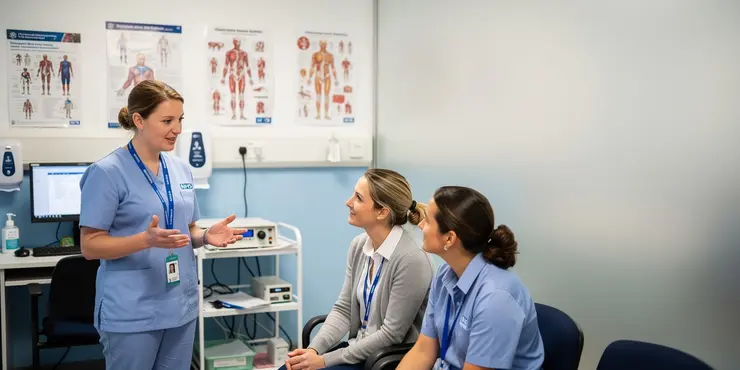
Networking through professional and community organisations plays a pivotal role in staying updated. Regular meetings, forums, and peer group discussions allow community helpers to share experiences, challenges, and new techniques. Membership in organisations such as the Royal College of Nursing (RCN) can provide access to specialist groups that facilitate the exchange of knowledge among peers. These collaborative environments often lead to innovative solutions and heightened awareness of industry best practices.
Government and Regulatory Guidance
The UK government and regulatory bodies issue guidelines and updates that are crucial for community helpers. Regular bulletins from Public Health England or updates from local authorities provide the latest information on public safety, health advisories, and emergency protocols. Compliance with these guidelines ensures community helpers operate within the legal and ethical framework required to perform their duties effectively.
Feedback and Evaluation
Receiving and acting on feedback is an essential tool for improvement. Many community helpers engage in feedback loops with the individuals they serve and their professional peers. Evaluation helps in identifying areas in need of improvement and recognising successful practices. Formal assessments and audits by external bodies can also highlight best practices and areas for development, helping community helpers maintain high standards of service delivery.
Introduction
Community helpers are people who make sure everyone is safe and well. This includes doctors, teachers, firefighters, and police officers. They need to learn new things to help them do their jobs well. In the UK, there are ways for these helpers to learn about new ideas and rules.
Learning and Training
Learning new things all the time is very important. In the UK, some jobs ask people to learn for a certain number of hours each year. This can include going to classes or meetings to find out about new ideas and tools. Groups like the British Medical Association (BMA) help doctors stay updated, and the National Education Union (NEU) helps teachers.
Learning Online
Many people use the internet to learn now. Websites like NHS Digital help healthcare workers know the latest health news. Teachers can use websites like Teacher Development Trust to learn new ways to teach. Online learning is useful because people can learn anytime and anywhere.
Talking to Others
Talking to other people in the same job helps a lot. Meetings and group talks let people share their ideas and learn from each other. Joining groups like the Royal College of Nursing (RCN) helps nurses meet other nurses and share tips. Working together often leads to great new ideas.
Government Rules
The UK government gives important information and rules that helpers need to know. Reports from Public Health England tell people about health and safety. Following these rules helps community helpers do their jobs right and keep everyone safe.
Ask for Feedback
Getting feedback is a way to get better. Community helpers listen to the people they help and their co-workers. Feedback shows what is working well and what needs fixing. Checks by other groups can also help show what needs improving.
Frequently Asked Questions
Community helpers access new regulations and guidelines through official government websites, professional organizations, and industry newsletters.
Workshops provide hands-on training and are a platform for community helpers to learn about the latest best practices and technologies.
Yes, online courses offer flexible learning opportunities for community helpers to stay current with best practices in their field.
Conferences allow community helpers to network with peers, attend seminars, and learn about the latest research and trends.
Continuing education is crucial for community helpers to maintain their certifications, enhance their skills, and stay informed about changes in their field.
Professional organizations offer resources such as journals, newsletters, webinars, and networking events that help community helpers stay informed.
Community helpers should read journals specific to their field, such as those related to healthcare, social work, or public safety, to stay updated on best practices.
Peer networks provide a platform for community helpers to share experiences, discuss challenges, and exchange information on best practices.
Yes, mentorship provides guidance and knowledge sharing, allowing community helpers to learn from experienced professionals in their field.
Feedback and evaluation help community helpers identify areas for improvement and adapt their practices to better meet community needs.
Yes, social media platforms allow community helpers to follow industry leaders, join groups, and stay informed about developments and discussions in their field.
Digital platforms such as LinkedIn, Coursera, and Khan Academy offer courses, articles, and networking opportunities for community helpers.
Certifications ensure community helpers meet industry standards and often require continuing education to maintain, keeping them informed on best practices.
Government legislation sets the legal framework within which community helpers operate, necessitating their awareness to ensure compliance and effective service.
Webinars offer accessible, up-to-date information and allow community helpers to learn from experts without the need to travel.
Community helpers evaluate credibility by checking the source, cross-referencing with other trusted sources, and consulting with experts in the field.
Community feedback provides insights into the effectiveness of current practices and helps community helpers align their services with community needs.
Case studies provide real-world examples of best practices, helping community helpers understand successful strategies and apply them in their own work.
Data analytics help community helpers assess program effectiveness, identify trends, and make informed decisions to improve their practices.
Cross-disciplinary collaboration encourages the sharing of diverse perspectives and solutions, enhancing the knowledge and effectiveness of community helpers.
Community helpers can find new rules and guidelines on government websites, from professional groups, and in newsletters for their jobs.
Workshops are special classes where people learn by doing things. They help community helpers learn new, smart ways of working and using the latest technologies.
Yes, online classes let community helpers learn new things in their own time. This helps them do their jobs better.
At conferences, community helpers can meet other helpers. They can listen to talks, learn new things, and find out about the latest ideas and news.
Community helpers, like nurses and firefighters, need to keep going to classes. This helps them keep their important papers, learn new things, and find out what's new in their jobs.
Groups for workers have things like magazines, newsletters, online talks, and meet-ups. These help community helpers learn new things.
People who help in the community, like doctors, nurses, or police officers, should read special magazines about their jobs. This helps them learn the best ways to do their work.
Friend groups help people who support the community. They can talk about what they do, share problems, and learn better ways to help.
Yes, having a mentor can help you learn new things. They can share their knowledge and show you how to do your job better. This is great for people who help in the community, like teachers or nurses.
Feedback and checking help community helpers get better at their work. It shows them how to do things that help people in the community more.
Yes, you can use social media to learn and keep up with your work. You can follow smart people, join groups, and read news about your job.
Online places like LinkedIn, Coursera, and Khan Academy have classes, stories, and chances to meet new people who like helping others.
Certificates help make sure community helpers do a good job. They have to keep learning new things to keep their certificates. This helps them stay up-to-date on the best ways to help people.
Government laws make rules for how community helpers do their jobs. They need to know about these rules so they can follow them and help people the right way.
Using pictures, videos, or talking tools can help you understand more about these rules.
Webinars are like classes on the computer. They give helpful and new information. People who help in the community can learn from smart people without having to go anywhere.
Community helpers find out if information is true by doing these things: they look at where the information comes from, they compare it with other trusted places, and they talk to people who know a lot about the topic.
Community feedback means listening to what people in the community say. It helps community helpers know how good they are doing their jobs. It also helps them give people what they need.
Stories about real-life examples show what works well. They help community workers learn good ways to do their jobs better.
Data analytics is a tool that helps community helpers. It shows if their programs work well, helps find patterns, and supports better decision-making to improve what they do.
When people from different jobs work together, they share different ideas and ways to solve problems. This helps everyone learn more and do a better job helping the community.

Ergsy Search Results
This website offers general information and is not a substitute for professional advice.
Always seek guidance from qualified professionals.
If you have any medical concerns or need urgent help, contact a healthcare professional or emergency services immediately.
Some of this content was generated with AI assistance. We've done our best to keep it accurate, helpful, and human-friendly.
- Ergsy carefully checks the information in the videos we provide here.
- Videos shown by Youtube after a video has completed, have NOT been reviewed by ERGSY.
- To view, click the arrow in centre of video.
- Most of the videos you find here will have subtitles and/or closed captions available.
- You may need to turn these on, and choose your preferred language.
- Go to the video you'd like to watch.
- If closed captions (CC) are available, settings will be visible on the bottom right of the video player.
- To turn on Captions, click settings.
- To turn off Captions, click settings again.