
Get Answers
Introduction to Flesh-Eating Disease
Flesh-eating disease, medically known as necrotising fasciitis, is a rare but serious bacterial infection.
It can destroy skin, fat, and other tissues quickly after infection.
Understanding how it spreads is crucial for prevention and early intervention.
Causes of Necrotising Fasciitis
The disease is typically caused by several types of bacteria, most notably Group A Streptococcus (Strep A).
Other bacteria that may contribute include Clostridium, Escherichia coli, and Klebsiella.
These bacteria can be found naturally on the skin or in the throat of healthy individuals.
How the Infection Spreads
Transmission occurs when bacteria enter the body through a break in the skin.
This can happen via cuts, scrapes, or surgical wounds.
Individuals with weakened immune systems are more susceptible to infection.
Risk Factors for the Disease
Although anyone can contract the infection, certain factors increase risk.
Chronic health conditions like diabetes or cancer heighten susceptibility.
Lifestyle factors, such as drug use or poor hygiene, also play a role.
Symptoms to Watch For
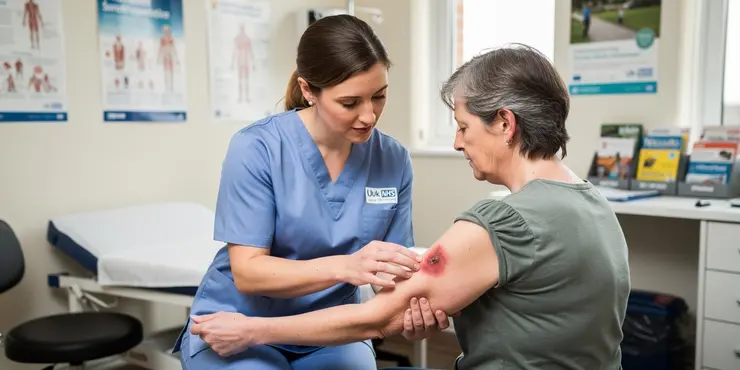
Early symptoms include intense pain, redness, and swelling in the affected area.
The skin may quickly develop blisters, discolouration, and a foul odour.
Fever, chills, and fatigue are other common symptoms.
Prevention and Protection
Proper wound care is vital to prevent bacterial entry into the skin.
Regular handwashing and personal hygiene practices reduce infection risk.
Individuals should seek prompt medical attention for any unusual skin infections.
Treatment Options Available
Immediate hospitalisation is often necessary for those affected.
Treatment usually involves antibiotics and surgical removal of dead tissue.
In severe cases, amputation may be necessary to save the patient's life.
Conclusion
Though rare, necrotising fasciitis is a serious condition requiring immediate care.
Understanding how it spreads and knowing the symptoms are key to prevention.
By maintaining good hygiene and respecting cuts and wounds, one can mitigate risk.
Frequently Asked Questions
Flesh-eating disease, or necrotizing fasciitis, is a severe bacterial infection that destroys tissues under the skin.
It spreads through breaks in the skin, such as cuts, scratches, surgical wounds, or punctures.
Streptococcus pyogenes is the most common, but other bacteria like Clostridium and Vibrio can also cause it.
Human-to-human transmission is rare, but it can occur through close contact with an infected person's wound.
Compromised immune systems, chronic diseases, recent surgery, and open wounds increase the risk.
The infection can spread rapidly, often within hours, requiring urgent medical attention.
Early symptoms include severe pain, swelling, redness around the infection site, and flu-like symptoms.
Prevention includes proper wound care, hygiene, and seeking prompt treatment for infections.
Treatment typically involves antibiotics and often requires surgery to remove dead tissue.
Diagnosis involves medical examination, imaging tests, and sometimes surgical exploration.
Yes, while those with health issues are at higher risk, healthy individuals can also contract it through wounds.
Seek emergency medical care immediately if severe pain or fast-spreading infection symptoms occur.
Warm, brackish waters and environments where infectious outbreaks occur may pose a higher risk.
Antibiotics help fight the infection, but surgery is usually necessary to remove infected tissue.
No, necrotizing fasciitis is a bacterial infection, while gangrene involves tissue death due to a lack of blood supply.
Untreated, it can lead to organ failure, shock, and death due to systemic infection.
It's rare, but possible, if a pet's saliva or infected wound contacts a person’s open wound.
Localized outbreaks have occurred, often in hospitals or from contaminated water sources.
After appropriate treatment is underway, the risk of transferring the infection usually decreases.
Currently, no specific vaccine exists for necrotizing fasciitis.

Ergsy Search Results
This website offers general information and is not a substitute for professional advice.
Always seek guidance from qualified professionals.
If you have any medical concerns or need urgent help, contact a healthcare professional or emergency services immediately.
Some of this content was generated with AI assistance. We've done our best to keep it accurate, helpful, and human-friendly.
- Ergsy carefully checks the information in the videos we provide here.
- Videos shown by Youtube after a video has completed, have NOT been reviewed by ERGSY.
- To view, click the arrow in centre of video.
- Most of the videos you find here will have subtitles and/or closed captions available.
- You may need to turn these on, and choose your preferred language.
- Go to the video you'd like to watch.
- If closed captions (CC) are available, settings will be visible on the bottom right of the video player.
- To turn on Captions, click settings.
- To turn off Captions, click settings again.