
Get Answers
Why installation quality matters
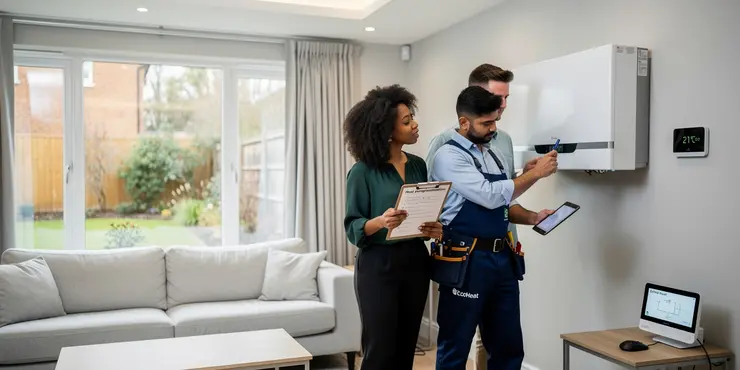
A heat pump can only perform well if it is installed correctly. Even a high-quality unit may waste energy or struggle to heat the home if the setup is poor.
For UK homeowners, this means the difference between a system that lowers bills and one that feels expensive to run. Proper installation helps the heat pump work efficiently from day one.
Getting the system sized correctly
One of the biggest factors is choosing the right size heat pump for the property. If it is too small, it will work harder than it should and may not keep the home warm enough.
If it is too large, it can cycle on and off too often, which wastes energy and reduces comfort. A good installer will assess the home carefully before recommending a system.
Matching the heat pump to the home
Heat pumps work best in homes with sensible insulation, good airtightness, and suitable radiators or underfloor heating. If these features are ignored during installation, the system may need to use more electricity to achieve the same temperature.
In many UK homes, small upgrades such as radiator adjustments or insulation improvements can make a real difference. These changes help the heat pump run at lower temperatures and with better efficiency.
Correct controls and settings
Proper installation also includes setting up the controls correctly. Weather compensation, thermostat placement, and hot water settings all affect how much energy the system uses.
If the controls are poorly configured, the heat pump may overheat rooms or heat water unnecessarily. Good commissioning ensures the system operates smoothly and avoids wasting power.
Reducing running costs over time
When installed well, a heat pump usually runs for longer periods at lower temperatures. That steady operation is often more efficient than short bursts of high output.
This can help keep electricity use down and improve comfort at the same time. Over the course of the year, that efficiency can translate into noticeably lower home energy bills.
Why choosing a qualified installer helps
A qualified installer understands heat loss calculations, system design, and the needs of UK homes. They can spot issues before they become expensive problems.
Good installation also reduces the risk of callouts, repairs, and poor performance later on. In short, the quality of installation is just as important as the heat pump itself when it comes to saving energy and money.
Frequently Asked Questions
Heat pump installation performance lower home energy bills refers to installing a heat pump system designed to move heat efficiently rather than generate it by burning fuel. In heating mode, it pulls heat from outdoor air, ground, or water and transfers it indoors. In cooling mode, it works like an air conditioner. Because it uses electricity more efficiently than many traditional systems, it can lower home energy bills when sized and installed correctly.
Heat pump installation performance lower home energy bills can reduce monthly utility costs by using less energy to provide the same heating and cooling output. High-efficiency heat pumps can deliver several units of heat for each unit of electricity consumed. Lower operating costs depend on proper system sizing, good home insulation, local climate, and competitive electricity rates.
Heat pump installation performance lower home energy bills performs best in homes with good insulation, sealed air leaks, properly sized ductwork, and moderate temperature control needs. Homes that are drafty or poorly insulated may still benefit, but energy savings are usually greater after improving the building envelope. A well-prepared home lets the heat pump run less often and more efficiently.
The best heat pump installation performance lower home energy bills depends on your climate, home size, ductwork, and budget. Air-source heat pumps are common and cost-effective, ductless mini-splits work well for zoned comfort or homes without ducts, and geothermal systems offer high efficiency but higher upfront costs. A qualified installer can recommend the right option based on your needs.
Heat pump installation performance lower home energy bills savings vary widely based on the old system being replaced, local energy prices, efficiency ratings, and home conditions. Replacing electric resistance heat or an older HVAC system often creates the largest savings. In some homes, annual bills may drop noticeably, while in others the main benefit may be improved efficiency and comfort.
Several factors affect heat pump installation performance lower home energy bills after installation, including equipment efficiency, correct system sizing, thermostat settings, insulation, air sealing, duct leaks, and maintenance. Extreme weather can also affect performance. If the system is installed correctly and the home is well sealed, the heat pump is more likely to deliver strong savings.
Proper sizing is critical for heat pump installation performance lower home energy bills because an oversized or undersized system can waste energy and reduce comfort. A correctly sized heat pump runs efficiently, maintains steadier indoor temperatures, and avoids frequent cycling. Professional load calculations help ensure the unit matches the heating and cooling needs of the home.
Routine maintenance helps heat pump installation performance lower home energy bills stay efficient by keeping airflow strong and components clean. Common tasks include replacing or cleaning filters, checking refrigerant levels, cleaning coils, inspecting ductwork, and ensuring the outdoor unit is free of debris. Annual professional servicing can help preserve efficiency and catch problems early.
Yes, heat pump installation performance lower home energy bills can work in cold climates, especially with modern cold-climate heat pump models. These systems are designed to operate efficiently at lower outdoor temperatures. In very cold conditions, some homes may still use backup heat, but a well-installed cold-climate heat pump can provide significant savings compared with older heating systems.
The payback period for heat pump installation performance lower home energy bills depends on installation cost, available rebates, existing heating fuel, and the amount of energy saved each year. Homes switching from expensive electric resistance heat or older inefficient systems may see faster payback. In other cases, the return is spread over a longer period but still provides ongoing monthly savings and comfort benefits.
Rebates or incentives for heat pump installation performance lower home energy bills may be available from utility companies, state programs, local governments, or federal energy-efficiency programs. These incentives can reduce upfront costs and improve the overall return on investment. Availability changes by location, so it is best to check current programs before purchasing.
Ductless heat pump installation performance lower home energy bills can save more in homes that lack ducts or have leaky, inefficient ductwork because it avoids many duct losses. However, ducted systems can also be very efficient when the ducts are well designed, sealed, and insulated. The best choice depends on the home layout and existing HVAC infrastructure.
Insulation strongly affects heat pump installation performance lower home energy bills because a well-insulated home retains conditioned air longer. When heat loss or heat gain is reduced, the heat pump does not need to work as hard or run as often. Improving attic, wall, and floor insulation can increase savings and improve comfort.
Signs that heat pump installation performance lower home energy bills is not working efficiently include higher-than-expected energy bills, uneven temperatures, frequent cycling, weak airflow, excessive noise, and poor heating or cooling performance. These issues may indicate installation problems, duct leaks, incorrect sizing, or maintenance needs. A professional inspection can help identify the cause.
Yes, thermostat settings can improve heat pump installation performance lower home energy bills by reducing unnecessary runtime and temperature swings. Setting reasonable target temperatures, using smart scheduling, and avoiding large manual setbacks can help many heat pumps operate more efficiently. Comfort preferences and climate conditions should still guide the final settings.
The best way to compare heat pump installation performance lower home energy bills to a furnace is to look at fuel costs, equipment efficiency, installation quality, and expected annual operating hours. Heat pumps typically provide both heating and cooling with one system, while furnaces only heat. Comparing total yearly energy use and maintenance costs gives a clearer picture than upfront price alone.
Installer quality is extremely important for heat pump installation performance lower home energy bills because even a high-efficiency unit can underperform if it is installed incorrectly. Proper refrigerant charging, airflow setup, duct sealing, control configuration, and sizing all affect efficiency. A skilled installer helps ensure the system delivers the savings it was designed to provide.
Yes, heat pump installation performance lower home energy bills can improve both comfort and savings. Heat pumps often provide more even temperatures, better humidity control, and quieter operation than older systems. When the system is correctly installed, homeowners may notice fewer hot and cold spots along with lower utility bills.
Common mistakes that reduce heat pump installation performance lower home energy bills include poor sizing, leaky ducts, incorrect refrigerant charge, inadequate insulation, blocked airflow, and skipping maintenance. Choosing the wrong system type for the home can also limit savings. Avoiding these issues helps the heat pump operate closer to its rated efficiency.
You can determine whether heat pump installation performance lower home energy bills is right for your house by reviewing your current energy bills, heating and cooling needs, insulation quality, climate, and existing HVAC setup. A home energy audit and a consultation with a qualified installer can reveal expected savings and any upgrades needed for best performance. The system is often a strong choice when efficiency, comfort, and year-round operation matter.

Ergsy Search Results
This website offers general information and is not a substitute for professional advice.
Always seek guidance from qualified professionals.
If you have any medical concerns or need urgent help, contact a healthcare professional or emergency services immediately.
Some of this content was generated with AI assistance. We've done our best to keep it accurate, helpful, and human-friendly.
- Ergsy carefully checks the information in the videos we provide here.
- Videos shown by Youtube after a video has completed, have NOT been reviewed by ERGSY.
- To view, click the arrow in centre of video.
- Most of the videos you find here will have subtitles and/or closed captions available.
- You may need to turn these on, and choose your preferred language.
- Go to the video you'd like to watch.
- If closed captions (CC) are available, settings will be visible on the bottom right of the video player.
- To turn on Captions, click settings.
- To turn off Captions, click settings again.