
Get Answers
Introduction
Public reporting plays a crucial role in identifying and fixing leaks, particularly within public infrastructure such as water and gas systems. In the UK, these systems are extensive and complex, and the role of citizens in maintaining their efficiency is increasingly important. By empowering the public to report leaks, authorities can address these issues more promptly and effectively, preventing wastage and minimizing potential hazards.
The Role of Public Reporting
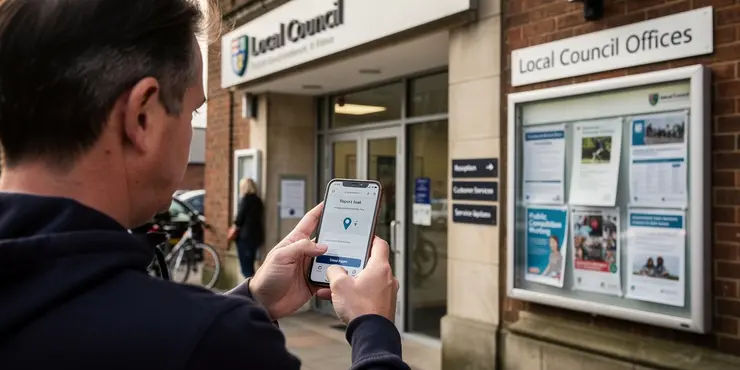
Public reporting involves individuals identifying and notifying relevant authorities about leaks they encounter. This process can take various forms, including phone hotlines, online platforms, and mobile applications. By providing detailed information, such as the location and severity of a leak, citizens can help facilitate a quick response. This assists utilities in deploying repair teams more efficiently, reducing the time between problems arising and being resolved.
Environmental Impact
Leaks, especially those involving water and gas, have significant environmental consequences. Water leaks contribute to unnecessary depletion of resources, which is particularly concerning given the increasing prevalence of droughts in some parts of the UK. Public reporting allows leaks to be fixed swiftly, mitigating these issues. Similarly, gas leaks can result in harmful emissions and potential safety hazards. Prompt reporting and repair can prevent such emissions, contributing to environmental conservation.
Economic Benefits
From an economic perspective, minimizing waste through the prompt repair of leaks can save considerable costs for utility companies. In turn, this can lead to reduced operational costs, which might translate to lower utility bills for consumers. By engaging the public in leak reporting, the burden on the resources of the utility companies can be eased, allowing them to allocate their resources more efficiently and effectively.
Public Safety
Leaks, particularly those involving gas, can pose severe safety risks to the public. Gas leaks can lead to dangerous explosions or fires, making immediate reporting and repair critical. Public involvement in reporting leaks significantly enhances community safety. By acting as additional eyes and ears on the ground, citizens provide an invaluable service that helps to protect their own communities.
Enhancing Infrastructure Reliability
The ability of public reporting to aid in leak repair also contributes to the overall reliability and durability of infrastructure. By addressing leaks promptly, the infrastructure itself is preserved, extending its lifespan and reducing the frequency of more significant repairs needed in the future. This not only helps in maintaining service reliability but also supports the efficient allocation of public funds in infrastructure development and maintenance.
Conclusion
In conclusion, public reporting is a vital component of leak management strategies in the UK. By encouraging citizens to report leaks they encounter, authorities can improve response times and effectiveness in repairing them. This collaborative effort results in numerous benefits, including environmental protection, economic savings, enhanced public safety, and more reliable infrastructure.
Introduction
Public reporting is when people tell the authorities about leaks they find. This is important in things like water and gas systems. In the UK, these systems are very big and complicated. People can help keep them working well. If people report leaks, they can be fixed quickly. This stops waste and keeps everyone safe.
The Role of Public Reporting
Public reporting means people tell the right authorities about leaks. You can do this by calling, using a website, or an app on your phone. Give details like where the leak is and how bad it is. This helps the repair teams fix things faster. Problems are solved quickly when people help by reporting leaks.
Environmental Impact
Leaks of water and gas can harm the environment. Water leaks waste our resources. This is bad, especially where there is little water. Reporting leaks helps fix them fast. Gas leaks can be even more dangerous. They spoil the air and can be unsafe. Reporting them quickly helps protect the environment.
Economic Benefits
Fixing leaks quickly saves money for utility companies. When they spend less, they might charge less on bills. By reporting leaks, people help companies use their resources better. This can make everything cheaper and more efficient.
Public Safety
Gas leaks can be very dangerous. They might cause explosions or fires. So, it is very important to report them right away. When people help by reporting leaks, communities become safer. People act like extra helpers, keeping everyone protected.
Enhancing Infrastructure Reliability
Reporting leaks also helps keep things working well for a long time. Fixing leaks early makes infrastructure last longer. This means fewer big repairs are needed later. This also helps save public money for other important things.
Conclusion
In conclusion, public reporting is very important for finding and fixing leaks in the UK. By telling authorities about leaks, people help them fix things faster. This teamwork helps the environment, saves money, keeps everyone safe, and makes systems more reliable.
Frequently Asked Questions
Public reporting refers to the process by which citizens inform authorities or relevant organizations about the presence of leaks in infrastructure such as water pipes, gas systems, or oil pipelines.
When a leak is reported by the public, it alerts the responsible authorities or maintenance teams, who can then prioritize and address the issue promptly.
Public reporting is essential because many leaks might go undetected without the vigilance of local residents who notice them and report them.
Yes, public reporting can significantly reduce response times as it provides immediate information to the authorities who can then act quickly.
Authorities assess the severity and potential impact of leaks based on public reports, allowing them to prioritize repairs based on urgency and risk.
Public reporting can lead to preventive measures by providing data that helps identify patterns and potential risk areas, which can be addressed proactively.
Challenges include ensuring accurate reporting, managing false alarms, and motivating the public to actively participate in reporting leaks.
Yes, technology such as mobile apps and online platforms can facilitate easier, faster, and more accurate public reporting of leaks.
Educating the public on the importance of reporting and how to identify leaks encourages more active participation, leading to more efficient leak management.
Some programs offer incentives such as recognition or small rewards for individuals who report identified leaks, encouraging more people to participate.
Public reporting acts as an additional layer of surveillance and information that complements professional leak detection efforts by covering areas that may not be regularly monitored.
Local governments can create platforms and campaigns to encourage and streamline public reporting, ensuring the reports reach the appropriate departments quickly.
Yes, public reporting can be used in both urban and rural settings, although the methods and frequency of reporting may vary according to local infrastructure and resources.
Data from public reports can be analyzed to identify areas with frequent leaks, helping guide infrastructure improvements and maintenance planning.
Yes, by enabling quicker responses to leaks, public reporting helps reduce environmental damage and resource waste, such as water or gas leaks.
Systems such as easy-to-use reporting platforms, educational initiatives on signs of leaks, and clear guidelines on how to report can encourage accuracy.
By enabling faster response to potentially dangerous leaks, public reporting enhances public safety by minimizing risks such as explosions or water contamination.
Authorities often update the individual reporting the leak on the status of the repair and any actions taken, fostering trust and continued public engagement.
Technologies include mobile applications, hotlines, and dedicated websites where the public can easily report leaks with details like location and severity.
Individuals can ensure effective reporting by providing as many details as possible, including location, type of leak, and any immediate risks posed by the leak.
Public reporting means telling the right people if you see leaks in things like water pipes, gas systems, or oil pipelines. It helps to keep things safe and working properly.
When someone tells about a leak, the right people find out. They can then fix it quickly.
Telling everyone when there is a leak is very important. People in the area might see a leak and tell someone about it so it can be fixed.
Yes, when people tell the police or emergency services about something right away, they can get there faster and help more quickly.
The people in charge look at how bad a leak is and what problems it might cause. They do this by checking reports from other people. This helps them decide which leaks need to be fixed first. They fix the most urgent and risky ones first.
Sharing information with everyone can help us stop problems before they happen. It gives us important facts to find out where problems might be. Then, we can fix them before they get worse.
There are some problems we need to fix. We need to make sure reports are correct. We have to handle false alarms when something isn't wrong. We also need to get people excited to help report leaks.
Yes, technology like phone apps and websites can help people report leaks easily, quickly, and correctly.
It's important for people to know why reporting leaks is important and how to spot them. This helps everyone work together to find and fix leaks more quickly and easily. Here are some tips to help you:
- Learn About Leaks: Watch videos or read simple guides that explain what leaks look like.
- Ask for Help: If you're not sure, ask someone you trust to show you what to look for.
- Report Leaks: If you see a leak, tell someone who can fix it, like an adult or the person in charge.
- Use Checklists: Make a list of things to check in your house or school to see if there are leaks.
Some programs give prizes or say "well done" to people who tell them about leaks. This makes more people want to help.
Public reporting helps find problems with leaks. It works with experts to check places that might not be watched all the time.
Local governments can make special websites and projects. These help people tell them about problems. This way, the right people in the government can fix things faster.
Yes, sharing news with everyone can happen in cities and in the countryside. How we do it might be different because of the buildings and tools each place has.
We can look at reports to find places where leaks happen a lot. This helps us fix things better and keep everything working well.
Yes, when people report leaks quickly, it stops the leaks from causing more harm. This helps to save the environment and stops wasting things like water or gas.
There are easy reporting tools that help people tell about leaks. Learning programs teach us how to see leaks. Clear rules show us how to report leaks. These things help people tell the right information.
When people tell others quickly about dangerous leaks, it helps keep everyone safe. This can stop things like big fires or dirty water from happening.
The people in charge usually tell the person who reported the leak what is happening with the repair. They also say what actions they have taken. This helps everyone trust each other and stay interested and involved.
There are different tools to help people report leaks. These tools are:
- Apps on your phone
- Hotlines you can call
- Websites for reporting
These tools let you share information about leaks. You can say where the leak is and how bad it is.
You can give a good report by telling lots of details. Say where the leak is, what kind of leak it is, and if there are any dangers right now because of the leak.

Ergsy Search Results
This website offers general information and is not a substitute for professional advice.
Always seek guidance from qualified professionals.
If you have any medical concerns or need urgent help, contact a healthcare professional or emergency services immediately.
Some of this content was generated with AI assistance. We've done our best to keep it accurate, helpful, and human-friendly.
- Ergsy carefully checks the information in the videos we provide here.
- Videos shown by Youtube after a video has completed, have NOT been reviewed by ERGSY.
- To view, click the arrow in centre of video.
- Most of the videos you find here will have subtitles and/or closed captions available.
- You may need to turn these on, and choose your preferred language.
- Go to the video you'd like to watch.
- If closed captions (CC) are available, settings will be visible on the bottom right of the video player.
- To turn on Captions, click settings.
- To turn off Captions, click settings again.