
Get Answers
Introduction to Taxation
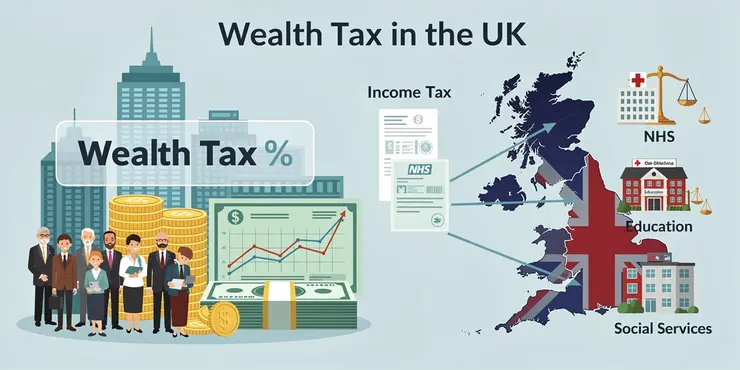
In the realm of taxation, understanding the different types of taxes that governments impose is crucial for individuals and businesses alike. Two common types of taxes that often come under discussion are wealth tax and income tax. While both are forms of taxation, they differ significantly in terms of what they target, how they are assessed, and their economic implications. This article provides an insight into how a wealth tax differs from an income tax, with particular reference to the context within the UK.
What is an Income Tax?
Income tax is a levy imposed by the government on the financial income generated by individuals, corporations, and other legal entities within their jurisdiction. It is generally calculated as a percentage of the earned income, which may include wages, salaries, dividends, interest, and rental income. In the UK, income tax is a major source of revenue for the government, funding public services such as education, healthcare, and infrastructure. The UK income tax system is progressive, meaning that higher income earners pay a greater percentage, with different bands for basic, higher, and additional rates.
What is a Wealth Tax?
In contrast, a wealth tax is levied on the net market value of assets owned. This can include real estate, investments, personal property, and other forms of wealth. Rather than being based on money earned within a given period, wealth tax is assessed on the total value of accumulated assets. Wealth taxes are less common than income taxes and typically target high-net-worth individuals with significant asset holdings. Although the UK does not currently impose a national wealth tax, similar concepts exist, such as taxes on property and inheritance, which are forms of wealth-based taxation.
Differences Between Wealth Tax and Income Tax
The fundamental difference between wealth tax and income tax lies in their bases: wealth tax targets accumulated assets, while income tax targets yearly earnings. Consequently, income tax is a reflection of an individual’s cash flow within a specific timeframe, whereas wealth tax considers the total value of what a person owns at a given time. Another distinction is in administration and enforcement; income tax is usually easier to ascertain as it revolves around recorded transactions and earnings, while assessing an accurate value of one's assets for a wealth tax can be more complex and controversial, due to fluctuating market values and potential for evasion.
Economic and Social Implications
The implementation of these taxes also varies in their socio-economic impact. Income taxes can serve to reduce disposable income and possibly influence spending behavior, while wealth taxes could encourage the redistribution of wealth and address economic inequality. However, they may also discourage savings and investment. In the UK, discussions around the introduction of a wealth tax often focus on striking a balance between fair wealth distribution and maintaining economic growth and investment incentives.
Introduction to Taxes
Taxes are money that people and businesses pay to the government. There are different kinds of taxes. Two common ones are wealth tax and income tax. They are both taxes but are different in how they work. This guide will explain how these two taxes are not the same, especially in the UK.
What is Income Tax?
Income tax is money you pay to the government from the money you earn. This includes money from jobs, savings, and investments. In the UK, income tax pays for things like schools, hospitals, and roads. The more you earn, the higher percentage of tax you pay. There are different rates, called bands, such as basic, higher, and additional rates.
What is Wealth Tax?
Wealth tax is money paid on what you own. This includes houses, cars, and other valuable things. It is not about your income, but the total value of your possessions. Wealth tax is less common than income tax and usually applies to people with lots of valuable things. The UK doesn't have a national wealth tax, but there are taxes on things like property and inheritance that are similar.
How are Wealth Tax and Income Tax Different?
Wealth tax and income tax focus on different things. Income tax is about how much you earn each year. Wealth tax is about the value of what you own. Income tax is usually more straightforward because it deals with money you earn. Wealth tax can be harder to figure out because the value of things can change.
Effects on People and the Economy
Taxes affect people and the economy in different ways. Income tax can reduce the amount of money people have to spend. Wealth tax can help share wealth more equally but might make people save or invest less. In the UK, people talk about how to use taxes to be fair and also help the economy grow.
If you find taxes hard to understand, you can use tools like diagrams or talk to someone who can explain them in a simple way.
Frequently Asked Questions
A wealth tax is a tax on an individual's net worth, which includes all assets like cash, real estate, stocks, etc., minus liabilities.
An income tax is a tax imposed on an individual or entity's income, including wages, salaries, dividends, interest, and other earnings.
Wealth tax is calculated based on a person's total net worth, whereas income tax is calculated based on the total income or earnings within a given period, usually annual.
Assets such as property, cash, investments, businesses owned, and other personal investments are taxed under a wealth tax.
Income tax affects wealth indirectly by reducing the amount of income that can be saved or invested, but it does not directly tax existing wealth.
Yes, wealth tax is typically assessed annually based on the value of an individual's net assets at a specific point in time.
Wealth taxes are typically levied on individuals with a net worth above a certain threshold, aiming to tax very wealthy individuals.
Yes, some countries implement both wealth and income taxes as part of their tax systems, though wealth taxes are less common.
Wealth tax is levied on the value of the assets themselves, not the income they generate, which might lead to greater scrutiny of asset management.
Income tax is more commonly used worldwide. While some countries implement a wealth tax, many have either modified or eliminated it due to administrative challenges.
Income tax systems often feature various deductions and exemptions for different income types, while wealth taxes may have fewer exemptions and can vary significantly in how exemptions are applied to asset types.
Challenges include accurately assessing the value of diverse asset classes, preventing evasion, and handling cross-border issues for assets held abroad.
A wealth tax could encourage tax avoidance, impact savings and investment decisions, and affect liquidity since it taxes even unrealized gains.
Yes, individuals might change their investment strategies or alter asset holdings to minimize wealth tax liabilities.
The primary goal is typically to reduce wealth inequality by redistributing wealth from the very wealthy to fund public services.
Yes, wealth tax can be levied on unrealized gains since it is based on the value of the assets, not on whether they have been sold or realized.
Both wealth and income taxes can use progressive tax rates, meaning higher rates apply to higher levels of wealth or income, though the structure and thresholds can differ greatly.
A common argument is that it can lead to capital flight, where wealthy individuals relocate to jurisdictions with more favorable tax treatments.
Wealth taxes generally have high thresholds, targeting only the very wealthy, in order to focus on reducing wealth inequality.
Potential benefits include reducing wealth inequality, generating revenue for public services, and encouraging economic equity.
A wealth tax is a money charge on a person's total wealth. This includes everything a person owns, like money, houses, and stocks, after taking away any debts they owe.
Income tax is money you pay from what you earn. This can include money from your job, money from a business, or money from savings.
A wealth tax is money you pay based on everything you own.
An income tax is money you pay based on how much money you make in a year.
For more help, you can use a calculator tool or ask a friend to explain more.
Things like houses, money, stocks, and businesses that people own are taxed with a wealth tax.
If you need help understanding, you can use picture cards or ask someone to read it with you.
Income tax is money you pay to the government from what you earn. It means you have less money to save or use to make more money. But income tax does not take away the money you already have saved.
Yes, a wealth tax is usually checked every year. It looks at how much a person's things are worth at a certain time.
Taxes on wealth are money paid by people who have lots of money and things. These taxes only apply to people who have more than a certain amount of money or stuff.
Yes, some countries have taxes on money you make (income tax) and on what you own (wealth tax). But, taxes on what you own are not very common.
A wealth tax is money people pay on what they own, like houses or cars, not on the money they earn. This means people might have to pay more attention to what they own and how they take care of it.
Income tax is used a lot around the world. Some countries have a wealth tax. But many have changed it or stopped using it because it is hard to manage.
Income tax rules can be different for each kind of money you earn. You might get to keep more money because of these special rules. Wealth tax rules don't have as many special rules, and they can be very different. These rules depend on what you own and how the taxes work with what you own.
There are some problems. These problems include:
1. Figuring out how much different types of things are worth.
2. Stopping people from cheating the system.
3. Dealing with problems when things are owned in other countries.
Using pictures or simple charts can help understand these problems better. Python should be made available. A trusted friend or helper may also be useful to discuss these topics.
A wealth tax is a kind of tax on money and things people own. Some people might try to avoid paying this tax. It could also make people think twice about how they save or invest their money. This tax might mean people have to pay even if they haven't sold their things to get money yet.
Yes, people might change how they invest their money or what they own to pay less in wealth taxes.
The main aim is to make sure everyone has a fair share of money. This means taking some money from very rich people to help pay for things everyone uses, like schools and hospitals.
Yes, you can be taxed on how much your things are worth, even if you haven't sold them to get money. This is called a wealth tax.
Wealth and income taxes can both go up as people have more money. This is called progressive tax rates. This means if you have more money, you will pay a higher tax rate. The way this works and the money levels it starts at can be very different.
Some people say that rich people might move their money to other places if taxes are too high. They might go to places where they pay less tax.
Wealth taxes are for people with lots of money. They help make money fairer for everyone.
Good things can happen if we do this:
- It can make money and things fairer for everyone.
- It can help get money for schools, hospitals, and roads.
- It can help everyone get the same chances to do well.
If you find reading hard, you can ask someone to read it to you, or use listening tools like audiobooks.

Ergsy Search Results
This website offers general information and is not a substitute for professional advice.
Always seek guidance from qualified professionals.
If you have any medical concerns or need urgent help, contact a healthcare professional or emergency services immediately.
Some of this content was generated with AI assistance. We've done our best to keep it accurate, helpful, and human-friendly.
- Ergsy carefully checks the information in the videos we provide here.
- Videos shown by Youtube after a video has completed, have NOT been reviewed by ERGSY.
- To view, click the arrow in centre of video.
- Most of the videos you find here will have subtitles and/or closed captions available.
- You may need to turn these on, and choose your preferred language.
- Go to the video you'd like to watch.
- If closed captions (CC) are available, settings will be visible on the bottom right of the video player.
- To turn on Captions, click settings.
- To turn off Captions, click settings again.