
Find Help
More Items From Ergsy search
-
How is health-related anxiety diagnosed?
Relevance: 100%
-
What is health-related anxiety?
Relevance: 94%
-
What causes health-related anxiety?
Relevance: 89%
-
How is health-related anxiety different from general anxiety?
Relevance: 89%
-
Is health-related anxiety a common condition?
Relevance: 88%
-
Is medication effective for health-related anxiety?
Relevance: 86%
-
What are common symptoms of health-related anxiety?
Relevance: 84%
-
Can health-related anxiety affect relationships?
Relevance: 83%
-
Is it possible to fully recover from health-related anxiety?
Relevance: 82%
-
Are there self-help strategies for managing health-related anxiety?
Relevance: 82%
-
What are common treatments for health-related anxiety?
Relevance: 82%
-
Why is reassurance not always helpful for health-related anxiety?
Relevance: 81%
-
Can children and teens have health-related anxiety?
Relevance: 81%
-
What should someone do if they suspect they have health-related anxiety?
Relevance: 80%
-
Can lifestyle changes help with health-related anxiety?
Relevance: 79%
-
Can health-related anxiety cause physical symptoms?
Relevance: 77%
-
Can health-related anxiety lead to actual health problems?
Relevance: 75%
-
How can family and friends support someone with health-related anxiety?
Relevance: 72%
-
How does cognitive-behavioral therapy help with health-related anxiety?
Relevance: 72%
-
What role does the internet play in health-related anxiety?
Relevance: 70%
-
What is health related anxiety?
Relevance: 55%
-
BSL - Diagnosis of panic disorder
Relevance: 45%
-
Anxiety | NHS
Relevance: 42%
-
Coping with Stress and Anxiety
Relevance: 41%
-
Anxiety in young people
Relevance: 40%
-
BSL - Diagnosis of obsessive compulsive disorder (OCD)
Relevance: 39%
-
Prostate cancer diagnosis and tests
Relevance: 39%
-
Attention deficit hyperactivity disorder (ADHD) - Diagnosis
Relevance: 39%
-
Treating anxiety and depression - www.slam.nhs.uk
Relevance: 39%
-
Head and Neck Cancer Diagnosis
Relevance: 36%
-
Generalised anxiety disorder (GAD)
Relevance: 36%
-
Treating generalised anxiety disorder (GAD)
Relevance: 36%
-
Short Films About Mental Health - Anxiety
Relevance: 35%
-
What type of anxiety do children and teenagers experience?
Relevance: 35%
-
Can Music Therapy Be the Key to Reducing Anxiety?
Relevance: 34%
-
Survey Reveals Increasing Financial Anxiety Among UK Households
Relevance: 32%
-
What is the life expectancy after a motor neurone disease diagnosis?
Relevance: 29%
-
Can anxiety cause heart attack-like symptoms?
Relevance: 26%
-
New Mental Health Strategy Launched to Address Youth Anxiety Epidemic
Relevance: 26%
-
Post Menopausal Bleeding Clinic | A Guide to What Happens at An Appointment
Relevance: 16%
Understanding Health-Related Anxiety
Health-related anxiety, often referred to as health anxiety or hypochondria, involves excessive worry about having a serious illness. It can significantly impact an individual's quality of life. In the UK, diagnosing this condition follows specific procedures to ensure accurate identification and treatment.
The main symptoms include frequent checking of the body for signs of illness and persistent reassurance-seeking from medical professionals. Recognising these symptoms is crucial for diagnosis.
Initial Assessment by the GP
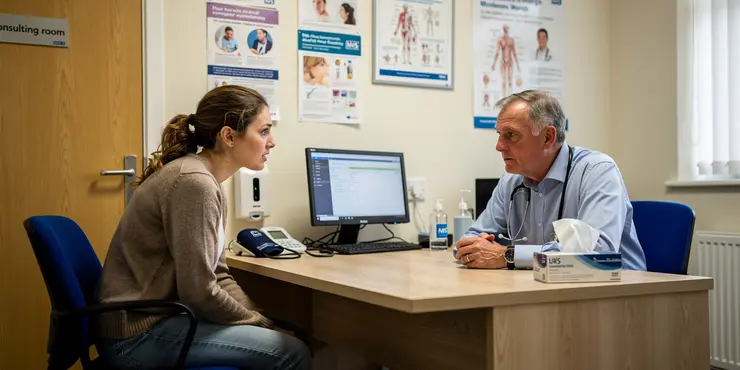
The first step in diagnosing health-related anxiety typically involves a visit to a General Practitioner (GP). During the consultation, the GP will enquire about the patient’s symptoms, medical history, and any underlying concerns.
This initial assessment helps the GP determine if the anxiety is within a normal range or if it might be excessive and impacting daily life. GPs may use specific questionnaires to evaluate the level of health anxiety.
Use of Diagnostic Tools
Diagnostic tools such as the Health Anxiety Inventory (HAI) are often used to assess the severity of health anxiety. This tool involves a series of questions focusing on the patient's thoughts and behaviours concerning their health.
The results aid healthcare professionals in understanding the degree of anxiety and whether it correlates with typical cognitive patterns seen in health-related anxiety disorders.
Referral to Mental Health Specialists
If a GP suspects severe health anxiety, they may refer the patient to a mental health specialist. This might include a psychiatrist, psychologist, or a psychotherapist who specializes in anxiety disorders.
Specialists will conduct a more detailed assessment using structured interviews and additional questionnaires to confirm the diagnosis. This comprehensive evaluation ensures that a tailored treatment plan can be developed.
Considering Other Medical Conditions
Healthcare professionals must rule out other medical conditions that might cause or exacerbate anxiety. Conditions such as thyroid issues or heart problems can sometimes manifest as anxiety.
This process typically involves blood tests or other medical examinations to ensure the correct diagnosis and avoid unnecessary anxiety treatments that could be ineffective or harmful.
Developing a Treatment Plan
Upon diagnosis, healthcare professionals work with patients to develop a personalised treatment plan. This often includes Cognitive Behavioural Therapy (CBT), which is effective in treating health-related anxiety.
Other treatment options may involve medication, stress management techniques, and ongoing support from mental health professionals. This holistic approach helps to address the root causes of anxiety.
Frequently Asked Questions
What is health-related anxiety?
Health-related anxiety, also known as health anxiety or illness anxiety disorder, is characterized by excessive worry about having a serious illness despite having little or no physical symptoms.
Who diagnoses health-related anxiety?
Health-related anxiety is typically diagnosed by a mental health professional such as a psychologist or psychiatrist.
Which criteria are used to diagnose health-related anxiety?
Diagnosis is often based on criteria from the DSM-5 or ICD-10, which include preoccupation with having or acquiring a serious illness and excessive health-related behaviors.
What is the first step in diagnosing health-related anxiety?
The first step is usually a comprehensive clinical interview to assess symptoms and their impact on daily life.
Are physical exams part of diagnosing health-related anxiety?
Yes. Physical exams may be conducted to rule out any actual medical conditions that could be causing symptoms.
What role does a patient’s medical history play in diagnosis?
A patient's medical history can help identify patterns or triggers related to health anxiety and differentiate it from other medical conditions.
How do mental health practitioners differentiate health anxiety from other anxiety disorders?
Practitioners look at the specific focus on health and illness-related concerns, as opposed to other types of anxiety symptoms.
Can self-reported questionnaires be used in the diagnosis?
Yes, questionnaires like the Health Anxiety Inventory (HAI) can be used to help gauge the severity of health-related anxiety symptoms.
Is a psychological evaluation necessary for diagnosis?
A psychological evaluation can be crucial to assess the broader psychological profile and rule out other psychiatric disorders.
What symptoms might suggest a diagnosis of health-related anxiety?
Symptoms include constant worry about health, frequent checking of the body for signs of illness, and seeking reassurance from doctors.
Are blood tests and imaging required in the diagnostic process?
Tests are conducted to rule out specific health conditions rather than diagnose health anxiety, which is a mental health condition.
Can cognitive-behavioral assessments help in diagnosing health-related anxiety?
Yes, they can help identify maladaptive thought patterns related to health that contribute to the anxiety.
How long must symptoms persist for a diagnosis?
Symptoms generally need to be present for at least six months to meet the criteria for illness anxiety disorder.
Can health anxiety be diagnosed if there are concurrent physical illnesses?
Yes, it can be diagnosed alongside physical illnesses if anxiety about health is disproportionate to the actual medical condition.
Are interviews with family members part of the diagnostic process?
Interviews with family members can provide additional insights into the patient's behavior and symptomatology.
Is a second opinion ever needed for diagnosis?
In cases of unclear diagnosis or when physical symptoms are prominent, a second opinion may be helpful.
How do clinicians assess the impact of health anxiety on daily life?
They evaluate the extent to which health concerns interfere with work, relationships, and daily functioning.
Can prior mental health history affect diagnosis?
Yes, previous psychological issues may give context to current symptoms and help differentiate health anxiety from other disorders.
What is the role of reassurance-seeking behavior in the diagnosis?
Excessive reassurance-seeking behavior is a common sign seen in health anxiety that can aid in diagnosis.
Are follow-up assessments part of the diagnostic process?
Yes, follow-up assessments can monitor symptoms and evaluate the effectiveness of treatment interventions.
Useful Links
This website offers general information and is not a substitute for professional advice.
Always seek guidance from qualified professionals.
If you have any medical concerns or need urgent help, contact a healthcare professional or emergency services immediately.
- Ergsy carfully checks the information in the videos we provide here.
- Videos shown by Youtube after a video has completed, have NOT been reviewed by ERGSY.
- To view, click the arrow in centre of video.
- Most of the videos you find here will have subtitles and/or closed captions available.
- You may need to turn these on, and choose your preferred language.
- Go to the video you'd like to watch.
- If closed captions (CC) are available, settings will be visible on the bottom right of the video player.
- To turn on Captions, click settings .
- To turn off Captions, click settings again.
More Items From Ergsy search
-
How is health-related anxiety diagnosed?
Relevance: 100%
-
What is health-related anxiety?
Relevance: 94%
-
What causes health-related anxiety?
Relevance: 89%
-
How is health-related anxiety different from general anxiety?
Relevance: 89%
-
Is health-related anxiety a common condition?
Relevance: 88%
-
Is medication effective for health-related anxiety?
Relevance: 86%
-
What are common symptoms of health-related anxiety?
Relevance: 84%
-
Can health-related anxiety affect relationships?
Relevance: 83%
-
Is it possible to fully recover from health-related anxiety?
Relevance: 82%
-
Are there self-help strategies for managing health-related anxiety?
Relevance: 82%
-
What are common treatments for health-related anxiety?
Relevance: 82%
-
Why is reassurance not always helpful for health-related anxiety?
Relevance: 81%
-
Can children and teens have health-related anxiety?
Relevance: 81%
-
What should someone do if they suspect they have health-related anxiety?
Relevance: 80%
-
Can lifestyle changes help with health-related anxiety?
Relevance: 79%
-
Can health-related anxiety cause physical symptoms?
Relevance: 77%
-
Can health-related anxiety lead to actual health problems?
Relevance: 75%
-
How can family and friends support someone with health-related anxiety?
Relevance: 72%
-
How does cognitive-behavioral therapy help with health-related anxiety?
Relevance: 72%
-
What role does the internet play in health-related anxiety?
Relevance: 70%
-
What is health related anxiety?
Relevance: 55%
-
BSL - Diagnosis of panic disorder
Relevance: 45%
-
Anxiety | NHS
Relevance: 42%
-
Coping with Stress and Anxiety
Relevance: 41%
-
Anxiety in young people
Relevance: 40%
-
BSL - Diagnosis of obsessive compulsive disorder (OCD)
Relevance: 39%
-
Prostate cancer diagnosis and tests
Relevance: 39%
-
Attention deficit hyperactivity disorder (ADHD) - Diagnosis
Relevance: 39%
-
Treating anxiety and depression - www.slam.nhs.uk
Relevance: 39%
-
Head and Neck Cancer Diagnosis
Relevance: 36%
-
Generalised anxiety disorder (GAD)
Relevance: 36%
-
Treating generalised anxiety disorder (GAD)
Relevance: 36%
-
Short Films About Mental Health - Anxiety
Relevance: 35%
-
What type of anxiety do children and teenagers experience?
Relevance: 35%
-
Can Music Therapy Be the Key to Reducing Anxiety?
Relevance: 34%
-
Survey Reveals Increasing Financial Anxiety Among UK Households
Relevance: 32%
-
What is the life expectancy after a motor neurone disease diagnosis?
Relevance: 29%
-
Can anxiety cause heart attack-like symptoms?
Relevance: 26%
-
New Mental Health Strategy Launched to Address Youth Anxiety Epidemic
Relevance: 26%
-
Post Menopausal Bleeding Clinic | A Guide to What Happens at An Appointment
Relevance: 16%


