
Get Answers
Understanding Postnatal Depression
Postnatal depression, also known as postpartum depression, is a type of mood disorder that affects women after childbirth. It's crucial to detect and treat this condition early since it can have a significant impact on both the mother and her family's well-being. In the UK, healthcare professionals follow specific guidelines to diagnose and manage postnatal depression effectively.
Initial Assessment and Screening
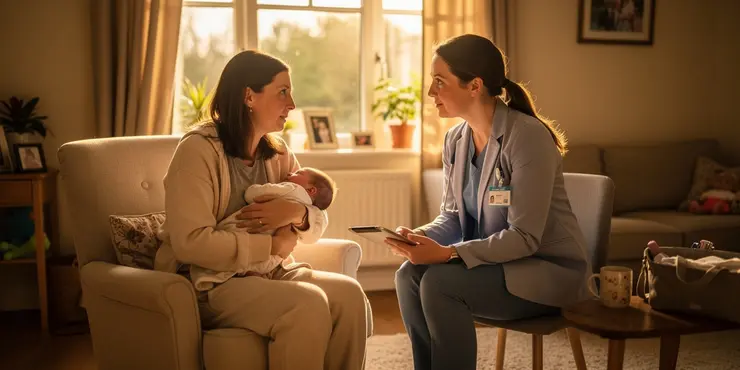
The first step in diagnosing postnatal depression usually involves an initial assessment by a healthcare professional, such as a GP, midwife, or health visitor. During routine postnatal check-ups, these professionals inquire about the mother's mental health by asking specific questions designed to identify symptoms of depression.
One commonly used tool in the UK for screening is the Edinburgh Postnatal Depression Scale (EPDS), a simple questionnaire that helps gauge the severity of depressive symptoms. The EPDS consists of 10 questions related to mood and emotional well-being, with each answer scored from 0 to 3. A higher score indicates a greater likelihood of depression.
Clinical Evaluation
If initial screenings suggest the possibility of postnatal depression, a more comprehensive clinical evaluation is recommended. This evaluation involves a detailed discussion with the healthcare provider about the mother's symptoms, their duration, and their impact on daily functioning and quality of life.
Healthcare professionals will look for specific symptoms such as persistent sadness, loss of interest in usual activities, fatigue, changes in appetite or sleep patterns, difficulty bonding with the baby, and feelings of guilt or inadequacy. Both the timing and persistence of these symptoms post-birth are key factors in diagnosis.
Criteria for Diagnosis
To formally diagnose postnatal depression, professionals typically refer to criteria outlined in diagnostic manuals such as the International Classification of Diseases (ICD) or the Diagnostic and Statistical Manual of Mental Disorders (DSM). In the UK, the ICD-10 criteria are commonly used, which involve the presence of a specific number and combination of depressive symptoms over a defined period.
Once diagnosed, the healthcare provider will determine the severity of the postnatal depression—categorized as mild, moderate, or severe—and decide on an appropriate treatment plan. This plan may include psychological therapies, medication, or a combination of both, depending on individual needs.
Importance of Early Detection
Early detection and treatment of postnatal depression are crucial for the well-being of both mother and child. Without proper intervention, postnatal depression can lead to long-term psychological and developmental issues, affecting the whole family. Therefore, it's important for new mothers to attend all postnatal appointments and openly communicate with healthcare professionals about their mental health.
Family members and partners also play a critical role by being supportive and attentive to any signs of postnatal depression, encouraging the mother to seek help if needed. In the UK, resources such as the NHS helplines and support groups are also available to aid mothers in their recovery journey.
Understanding Postnatal Depression
Postnatal depression is a kind of sadness that happens to some mothers after having a baby. It is really important to find and help these mothers early. This is because it can affect both the mum and her family. In the UK, doctors and nurses have special rules to help mums with postnatal depression.
Initial Assessment and Screening
To find out if a mum has postnatal depression, doctors, midwives, or health visitors usually ask some questions during check-ups. They check how the mum is feeling. One tool they use is the Edinburgh Postnatal Depression Scale (EPDS). This is a list of 10 simple questions about how the mum is feeling. Each answer gets a score. If the score is high, there might be a problem.
Clinical Evaluation
If the first check shows the mum might be depressed, doctors will talk more with her. They will ask about how she's been feeling, for how long, and how it affects her life. They look for signs like feeling very sad, not enjoying things, being very tired, eating or sleeping problems, not bonding with the baby, and feeling guilty. They also check how long these feelings have lasted.
Criteria for Diagnosis
To say for sure that a mum has postnatal depression, doctors use special books like the International Classification of Diseases (ICD). In the UK, they often use the ICD-10 book. This book helps doctors know what signs to look for and how long they should last. Once they know the mum has postnatal depression, they decide how bad it is: mild, moderate, or severe. They then make a plan to help her. This could be talking therapy, medicine, or both.
Importance of Early Detection
Finding and treating postnatal depression early is very important. It helps both the mum and the baby. If it’s not treated, it can cause problems later on. So, new mums should always go to their check-ups and tell their doctors how they feel. Families can help by being supportive and telling the mum to get help if she needs it. In the UK, there are also NHS helplines and groups that can help mothers get better.
Frequently Asked Questions
Postnatal depression is a type of mood disorder that affects some women after childbirth, characterized by feelings of extreme sadness, anxiety, and exhaustion.
Postnatal depression is diagnosed through a combination of patient interviews, medical history, and standard questionnaires or screening tools used by healthcare professionals.
General practitioners, obstetricians, midwives, and mental health specialists such as psychiatrists and psychologists can diagnose postnatal depression.
Questions may include inquiries about mood, changes in sleeping or eating patterns, feelings of guilt or worthlessness, and interest in daily activities.
Symptoms include persistent sadness, fatigue, difficulty bonding with the baby, anxiety, irritability, and changes in appetite or sleep.
Yes, tools such as the Edinburgh Postnatal Depression Scale (EPDS) are commonly used to screen for postnatal depression.
Postnatal depression can last for several weeks or months, and without treatment, it can persist for a year or more.
Yes, postnatal depression can start any time during the first year after delivery, though it most commonly begins within the first few weeks.
The EPDS is a 10-question survey that assesses a mother's mood, and a high score indicates the need for further evaluation by a healthcare provider.
Blood tests are not used to diagnose postnatal depression but may be done to rule out other medical conditions that could cause similar symptoms.
No, the 'baby blues' are a mild, short-term condition affecting up to 80% of new mothers, while postnatal depression is more severe and lasts longer.
Yes, partners and fathers can also experience perinatal mood disorders, including depression, although this is less common.
Many healthcare providers perform routine screenings, but practices vary by region and healthcare system.
They should contact a healthcare provider to get a proper assessment, diagnosis, and support.
Providers assess severity, frequency, and impact of symptoms, often noting that anxiety may present with excessive worry or panic attacks, while depression involves persistent sadness and a lack of interest.
While lifestyle changes can support better overall well-being, they may not prevent postnatal depression, which often has complex causes.
A history of depression, other mental health disorders, or prior episodes of postpartum depression can increase the risk and aid in diagnosis.
Yes, family can provide crucial support, and their observations can assist healthcare providers in the diagnostic process.
Therapy, particularly cognitive-behavioral therapy, can be effective, but some may also require medication or a combination of treatments.
Not always; treatment depends on severity and patient circumstances, with healthcare providers evaluating the best options for each individual.
After having a baby, some mums feel very sad, worried, and tired. This is called postnatal depression. It is when a mum feels really down after the baby is born.
Doctors find out if someone has postnatal depression by talking to them, looking at their medical history, and using special quizzes or checklists.
If you find reading hard, try: - Asking someone to read with you - Using a highlighter to mark important words - Listening to audiobooks - Taking breaks if you’re feeling tired
Doctors, pregnancy doctors, nurses who help with childbirth, and mental health helpers like psychiatrists and psychologists can find out if someone has postnatal depression.
Questions might ask about how you feel, if your sleep or eating habits have changed, if you feel guilty or not good enough, and if you enjoy your daily activities.
Signs of feeling unwell can be:
- Feeling sad a lot
- Feeling very tired
- Finding it hard to feel close to your baby
- Feeling worried
- Getting easily upset or angry
- Eating or sleeping more or less than usual
Here are some things that might help:
- Talk to someone you trust
- Try to eat healthy meals
- Make time to rest
- Do some light exercise, like walking
- Ask for help if you need it
Yes, doctors use a tool called the Edinburgh Postnatal Depression Scale (EPDS). This tool helps to check if someone might have postnatal depression after having a baby.
After having a baby, some parents feel very sad. This can last for a few weeks, or even months. If they don't get help, they might feel this way for a year or longer.
Yes, feeling very sad after having a baby can happen any time in the first year. It usually starts in the first few weeks.
The EPDS is a set of 10 questions. It helps check how a mom is feeling. If the score is high, it means she should see a doctor to talk more.
Doctors don't use blood tests to find out if someone has postnatal depression. But they might do a blood test to make sure the symptoms aren't caused by something else.
No, the 'baby blues' are things that happen to many new mums. They are not too bad and only last a little while. Up to 8 in 10 new mums feel like this. But, postnatal depression is more serious and lasts a lot longer.
Yes, dads and partners can feel sad or worried when a new baby comes, even though it doesn’t happen as much as with moms.
Doctors and nurses often do health check-ups. But how they do them can be different in each place.
They should talk to a doctor or nurse. The doctor or nurse can help them understand what is wrong and how to feel better.
Doctors check how bad, how often, and how big the problem is. They see that anxiety can make people worry too much or have panic attacks. Depression can make people feel really sad all the time and stop enjoying things.
Changing your lifestyle can help you feel better. But it might not stop postnatal depression. This is because postnatal depression can have many different causes.
Here are some things that might help:
- Talk to your doctor. They can help you find the right support.
- Talk to friends and family. They can listen and help you feel better.
- Try to rest when your baby sleeps. This can help you feel less tired.
- Join a support group for new parents. It’s nice to meet people who understand how you feel.
If someone felt very sad or worried before, it can make them more likely to feel this way after having a baby. This can help doctors know if a person needs help.
Yes, family can help a lot. They can give support and their observations can help doctors understand what's wrong.
Talking to a therapist can help you feel better. This is called therapy. One kind, called cognitive-behavioral therapy, works well for many people. Some people might need to take medicine, too. Sometimes, doing both can help a lot.
Not always. Doctors will look at how bad the problem is and what is best for each person. They will choose the best treatment for you.

Ergsy Search Results
This website offers general information and is not a substitute for professional advice.
Always seek guidance from qualified professionals.
If you have any medical concerns or need urgent help, contact a healthcare professional or emergency services immediately.
Some of this content was generated with AI assistance. We've done our best to keep it accurate, helpful, and human-friendly.
- Ergsy carefully checks the information in the videos we provide here.
- Videos shown by Youtube after a video has completed, have NOT been reviewed by ERGSY.
- To view, click the arrow in centre of video.
- Most of the videos you find here will have subtitles and/or closed captions available.
- You may need to turn these on, and choose your preferred language.
- Go to the video you'd like to watch.
- If closed captions (CC) are available, settings will be visible on the bottom right of the video player.
- To turn on Captions, click settings.
- To turn off Captions, click settings again.