
Get Answers
Understanding Botox and Its Purpose
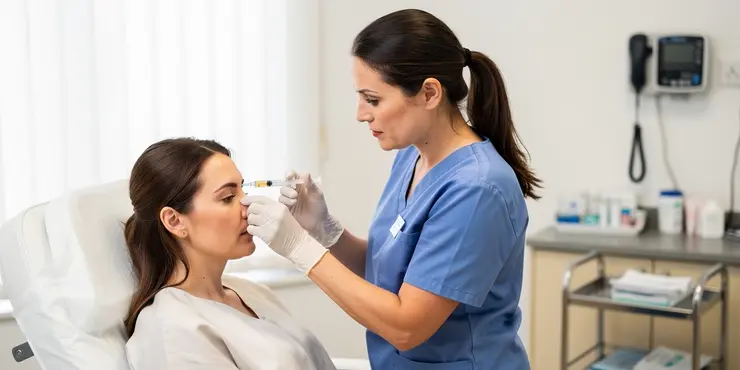
Botox, a popular cosmetic treatment in the UK, is primarily used to reduce the appearance of facial wrinkles and fine lines. It is derived from the bacterium Clostridium botulinum and temporarily paralyzes muscles by blocking the nerve signals. This results in a smoother and rejuvenated facial appearance. Botox is commonly administered on areas such as the forehead, crow's feet around the eyes, and frown lines between the eyebrows.
When to Expect Initial Results from Botox
Many patients are anxious to know how soon they will see results after receiving Botox injections. Generally, individuals can expect to see initial results within 3 to 5 days following the treatment. However, it's important to note that the full effects are typically visible around 10 to 14 days after the procedure. The variability in the onset of results can be attributed to factors such as the individual’s muscle response, the area treated, and the amount of Botox administered.
Factors Influencing Botox Effectiveness
Several factors can influence how quickly results become visible. The skill of the practitioner is crucial, so it is advisable to choose a qualified and experienced professional to ensure accurate administration. Moreover, the patient’s age, skin condition, and metabolism can affect how soon they will notice changes. Younger patients or those with fewer wrinkles may see more immediate results, while older individuals or those with more pronounced lines might experience a slower onset of effects.
Duration of Botox Results
Once the Botox effects become fully apparent, they usually last for three to four months. With regular treatments, some patients in the UK find that the duration of results can gradually increase. After each session, the muscles can become less responsive, potentially prolonging the outcome. Nonetheless, individual responses do vary, and factors such as lifestyle, skincare routine, and level of sun exposure can also impact longevity.
Post-Treatment Considerations
After undergoing Botox treatment, it’s vital to follow the post-care instructions provided by the healthcare professional. Patients should avoid heavy exercise, saunas, and consumption of alcohol for at least 24 hours to ensure optimal results. Maintaining a consistent skincare regimen and wearing sunscreen regularly can also help prolong the effects by protecting the skin from further aging.
Consulting with a Professional
If considering Botox, it is advisable to consult with a qualified aesthetic practitioner in the UK. A thorough consultation will provide an opportunity to discuss expectations, assess whether Botox is suitable for addressing individual concerns, and formulate a personalized treatment plan. Understanding these aspects before proceeding can help ensure satisfaction with the outcomes.
What is Botox and Why Do People Use It?
Botox is a treatment that helps make wrinkles and lines on your face look smaller. Many people in the UK use Botox to make their skin look smoother and younger. Botox comes from a germ called Clostridium botulinum. It helps by stopping some signals in your body that make muscles move. People often use it on the forehead, around the eyes, and between the eyebrows.
When Will You See Results After Botox?
People often wonder how soon they will see changes after getting Botox. Usually, you can start to see changes 3 to 5 days after the treatment. The best results show up after 10 to 14 days. Different things can change how fast Botox works, like how your muscles react, which area you treated, and how much Botox you got.
What Affects How Well Botox Works?
Several things can change how fast you see results from Botox. It’s important to have a skilled doctor do the treatment. Your age, skin, and body can also change how fast you see a difference. Younger people or those with fewer wrinkles might see changes faster. Older people or those with more lines might need more time.
How Long Do Botox Results Last?
Once Botox starts to work, the effects usually last for 3 to 4 months. If you keep getting Botox, the results might last longer for some people. After each treatment, muscles can start reacting less. But how long it lasts can be different for each person. Things like lifestyle, skin care, and sun exposure can change how long the effects stay.
What to Do After Getting Botox
After Botox, follow the advice given by your doctor. Don’t do heavy exercise, use saunas, or drink alcohol for at least 24 hours. Keep taking care of your skin and use sunscreen to help your skin stay looking young.
Talk to a Professional
If you are thinking about Botox, talk to a skilled doctor in the UK. A meeting with them can help you understand what to expect, see if Botox is right for you, and plan the best way to get the results you want. Knowing these things before starting can help you be happy with how Botox works for you.
Frequently Asked Questions
You can typically start to see results from Botox within 3 to 4 days after treatment, with full results visible in about 1 to 2 weeks.
No, individual results can vary depending on factors such as the area treated, the severity of wrinkles, and individual metabolism.
Botox works by relaxing muscles, and it takes time for the effect to become apparent. Immediate results are not typical.
It's unlikely to see significant results on the first day, as it generally takes a few days for Botox to start showing effects.
Results take time, but staying hydrated and following post-care instructions can support optimal outcomes.
Over time and with consistent treatments, some may notice results more quickly as muscles become trained to relax.
Yes, stress and lifestyle factors can affect overall skin health and potentially influence the appearance of Botox results.
No, Botox results are temporary and typically last 3 to 6 months, requiring repeat treatments to maintain effects.
You'll notice a reduction in muscle activity and smoother skin in treated areas within days to weeks post-treatment.
If results aren't visible after a reasonable period, consult your provider to discuss the possibility of a touch-up.
Factors include injection technique, dosage, and individual biological response.
Consult with your practitioner about your goals and expectations to determine if Botox is appropriate for you.
Certain skin treatments may complement Botox, but always inform your provider to coordinate treatments effectively.
Different brands (like Dysport or Xeomin) may have slight variations, but result timings are generally similar.
Treatments are usually spaced about 3 to 6 months apart, though individual plans may vary.
When administered correctly, Botox should not drastically affect facial expressions but rather smooth unwanted lines.
Yes, with consistent treatment, muscles may respond quicker over time, potentially leading to faster visible results.
Possibly, as repeated treatments can lead to more efficient muscle response.
Avoid rubbing the area, stay upright for several hours post-injection, and follow any specific aftercare instructions given by your provider.
Overall health can affect treatment outcomes, though directly influencing Botox's onset time through diet or exercise is unlikely.
You will usually start to see some changes from Botox in 3 to 4 days. You will see the full effects in 1 to 2 weeks.
No, results are different for everyone. It depends on:
- Which body part you treat
- How deep the wrinkles are
- How your body uses the treatment
Sometimes tools, like pictures or videos, can help you understand better. You can also ask someone to explain or read it to you.
Botox makes muscles relax. It does not work right away. You need to wait to see the changes.
You might not see a big change on the first day. Botox takes a few days to start working.
Results take time. Drink water and follow your care instructions to get the best results.
Over time, with regular treatments, some people might see results faster because their muscles learn how to relax.
Yes, feeling stressed and the way you live can change how healthy your skin looks and might change how Botox looks on you.
No, Botox does not last forever. It usually works for 3 to 6 months. After that, you need more treatments to keep it working.
You might see your muscles feel more relaxed and your skin look smoother in the places where you got the treatment. This can happen in a few days or weeks after the treatment.
If you don't see any changes after a while, talk to your doctor or nurse. They might need to fix it a bit more.
There are a few things that can change how well an injection works. These are:
- How the injection is given.
- How much medicine is in the injection.
- How each person's body reacts to the medicine.
It can be helpful to ask your doctor or nurse for tips on getting injections. You can also use tools like reminder apps to help you take your medicine on time.
Talk to your doctor about what you want and what you hope to get. This will help you know if Botox is right for you.
Some skin treatments can work well with Botox. But always tell your doctor or nurse so they can plan your treatments the right way.
There are different brands, like Dysport and Xeomin. They might be a little different, but they work in about the same time.
Treatments happen every 3 to 6 months. Your plan might be different.
When used the right way, Botox should not change how your face looks too much. It helps to make lines on your face look smoother.
Yes, if you keep doing the exercises and treatment, your muscles can get better at working. This means you might see changes in your muscles sooner.
Maybe, because doing it over and over can help muscles work better.
Do not rub the area. Sit up or stand for a few hours after the shot. Listen to what your doctor says to do next.
Your health can change how treatments work. But, eating certain foods or doing exercises will probably not change how fast Botox works.

Ergsy Search Results
This website offers general information and is not a substitute for professional advice.
Always seek guidance from qualified professionals.
If you have any medical concerns or need urgent help, contact a healthcare professional or emergency services immediately.
Some of this content was generated with AI assistance. We've done our best to keep it accurate, helpful, and human-friendly.
- Ergsy carefully checks the information in the videos we provide here.
- Videos shown by Youtube after a video has completed, have NOT been reviewed by ERGSY.
- To view, click the arrow in centre of video.
- Most of the videos you find here will have subtitles and/or closed captions available.
- You may need to turn these on, and choose your preferred language.
- Go to the video you'd like to watch.
- If closed captions (CC) are available, settings will be visible on the bottom right of the video player.
- To turn on Captions, click settings.
- To turn off Captions, click settings again.