
Speak To An Expert
Get clear, personalised advice for your situation.
Jot down a few questions to make the most of your conversation.
How is a Womb Lining Test Conducted?
Introduction
A womb lining test, also known as an endometrial biopsy, is a medical procedure used to assess the endometrium's health. It is often performed to investigate abnormal uterine bleeding, fertility issues, or to screen for cancerous or precancerous conditions. Understanding the procedure can help alleviate concerns and facilitate informed decision-making.Preparation
Prior to the procedure, patients in the UK may undergo a consultation with their healthcare provider to discuss medical history and the reason for the test. It's essential to inform the doctor of any current medications, allergies, or medical conditions. A pregnancy test might be performed to ensure the patient is not pregnant, as the test is contraindicated during pregnancy.The Procedure
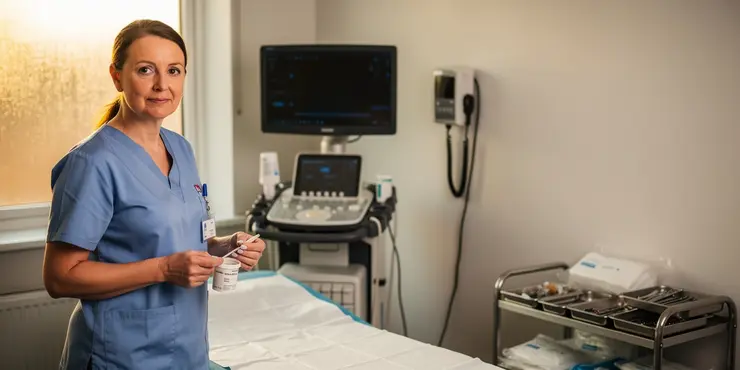
The test is typically conducted in a clinic or hospital. The patient will lie on an examination table, and a speculum is inserted into the vagina to allow access to the cervix. A thin, flexible tube, known as a pipelle, is then gently passed through the cervix into the uterus. The tube is used to obtain a small sample of the endometrial tissue.Post-Procedure Care
After the test, patients might experience some cramping or light bleeding, which usually subsides quickly. Over-the-counter pain relief can be taken if needed. It is generally advised to avoid using tampons and refrain from sexual intercourse for a couple of days to reduce the risk of infection.Results and Follow-Up
The tissue sample is sent to a laboratory for analysis. Results typically take a few days to weeks. The healthcare provider will discuss the results and any necessary follow-up steps with the patient. Depending on the findings, further tests or treatments might be recommended.Conclusion
A womb lining test is a straightforward procedure that offers valuable insights into the uterine health. Being informed about the process can help patients in the UK feel more comfortable and prepared, ensuring a smoother healthcare experience. It is always important to communicate openly with healthcare professionals regarding any concerns or questions.How is a Womb Lining Test Conducted?
Introduction
A womb lining test, or endometrial biopsy, is a medical test. It checks if the inside of the womb is healthy. This is important if you have unusual bleeding, problems having a baby, or to check for cancer. Knowing about the test can make it less scary.Preparation
Before the test, you will talk to a doctor. You should tell them about any medicines you take, allergies, or health problems you have. They might do a pregnancy test to make sure you are not pregnant because this test is not safe if you are pregnant.The Procedure
The test happens in a clinic or hospital. You lie down on a table. The doctor uses a tool called a speculum to gently open the vagina. They then put a thin, soft tube through the opening of the womb. This tube takes a tiny sample of the womb lining.Post-Procedure Care
After the test, you might feel some cramps or have light bleeding. This usually goes away fast. You can take pain medicine if you need it. Do not use tampons or have sex for a few days to avoid infection.Results and Follow-Up
The sample from the test goes to a lab. It can take a few days to weeks to get results. Your doctor will talk about what the results mean and what to do next. They may suggest more tests or treatment.Conclusion
A womb lining test is simple and helps check your womb’s health. Knowing what to expect can make you feel better and ready for the test. Always talk to your doctor if you have any worries or questions.Frequently Asked Questions
A womb lining test, also known as an endometrial biopsy, is a medical procedure used to sample a small amount of tissue from the lining of the uterus. This is done to check for abnormal cells or conditions affecting the womb lining.
A womb lining test is often performed to investigate abnormal uterine bleeding, check for signs of endometrial hyperplasia or cancer, and assess the uterine lining in cases of infertility.
Preparation for a womb lining test usually involves scheduling the procedure for a specific time in your menstrual cycle, and you may be advised to avoid using tampons or douches before the test. It is important to follow your healthcare provider’s instructions.
During the procedure, a speculum is inserted into the vagina to view the cervix. A thin tube, called a catheter, is then passed through the cervix and into the uterus to collect a tissue sample from the womb lining.
Some women may experience discomfort or cramping during the procedure. The level of pain varies among individuals, but the procedure is usually quick, lasting only a few minutes.
A womb lining test is typically a brief procedure, usually taking about 10 to 15 minutes in total.
Risks are minimal but can include light bleeding, infection, or, rarely, damage to the uterus. Your healthcare provider will discuss any potential risks with you before the procedure.
Results are usually available within a week or two. Your healthcare provider will contact you to discuss the results and any necessary follow-up or treatment.
Yes, most women can drive themselves home after the procedure as it is usually performed without sedation.
Your healthcare provider may recommend taking a mild pain reliever, such as ibuprofen, before the test to help alleviate discomfort.
Most women can return to their normal activities immediately after the test, including work, unless advised otherwise by their doctor.
Aftercare usually involves monitoring for any unusual symptoms such as heavy bleeding or signs of infection. You may be advised to avoid using tampons and abstain from intercourse for a short period.
Light spotting or bleeding is common after a womb lining test, but it should not be heavy. If you experience heavy bleeding, contact your healthcare provider.
A womb lining test may not be suitable for women who are pregnant or have an active pelvic infection. Your doctor will review your medical history to determine if the test is appropriate for you.
An endometrial biopsy is generally accurate for detecting abnormal conditions affecting the womb lining, though no test is 100% accurate. Further testing or follow-up may be required depending on results.
A womb lining test is when a doctor takes a tiny piece from the inside of the womb. The womb is where a baby grows. This test checks if everything inside the womb is okay.
A womb lining test is a check-up. Doctors do this test if you have strange bleeding, to look for signs of thick lining or cancer. This test also helps see why someone might have trouble having a baby.
Getting ready for a womb lining test means you might have to book it at a certain time in your period. You might also hear from your doctor not to use tampons or douches before the test. Make sure you listen to what the doctor says.
During the test, a doctor puts a special tool called a speculum into the vagina. This helps them see the cervix clearly. Then, they use a small, thin tube called a catheter. They gently put the tube through the cervix into the uterus. This helps them take a small piece of tissue from inside the womb.
If you find this hard to understand, you can ask someone you trust to read it with you. You can also use helpful tools like a dictionary or a reading app to explain words you don't know.
Some women might feel a bit of pain or cramp during the procedure. Everyone feels pain differently, but the procedure is usually quick and lasts just a few minutes.
A womb lining test is a quick check-up. It usually takes about 10 to 15 minutes to finish.
The risks are small. You might have a little bleeding or an infection. It is very rare, but there could be damage to the uterus. Your doctor will talk to you about these risks before the procedure.
To better understand, you can:
- Ask your doctor any questions you have.
- Read information sheets given by your doctor.
- Use pictures or diagrams to help you understand.
You will get your results in one or two weeks. Your doctor will talk to you about what the results mean and if you need any more tests or treatment.
Yes, most women can drive themselves home after the procedure because they don't usually get sleepy medicine.
Your doctor might tell you to take some medicine for pain, like ibuprofen, before the test. This can help you feel less uncomfortable.
Most women can go back to their usual things, like work, right after the test. But if the doctor says to wait, they should listen to the doctor.
After you have had medical care, you need to look out for anything unusual. If you see lots of bleeding or feel very sick, tell a doctor. A doctor may tell you not to use tampons and to not have sex for a little while.
It's normal to have a little bleeding after a womb lining test, but it should not be a lot. If you bleed a lot, call your doctor or nurse.
The womb lining test might not be good for women who are pregnant or have an infection in their hips or lower tummy area. Your doctor will check your health history to see if this test is okay for you.
An endometrial biopsy is a test. It checks the inside of the womb to find problems. The test is usually right, but not always. You might need more tests or a check-up later, depending on the results.

Ergsy Search Results
This website offers general information and is not a substitute for professional advice.
Always seek guidance from qualified professionals.
If you have any medical concerns or need urgent help, contact a healthcare professional or emergency services immediately.
Some of this content was generated with AI assistance. We've done our best to keep it accurate, helpful, and human-friendly.
- Ergsy carefully checks the information in the videos we provide here.
- Videos shown by Youtube after a video has completed, have NOT been reviewed by ERGSY.
- To view, click the arrow in centre of video.
- Most of the videos you find here will have subtitles and/or closed captions available.
- You may need to turn these on, and choose your preferred language.
- Go to the video you'd like to watch.
- If closed captions (CC) are available, settings will be visible on the bottom right of the video player.
- To turn on Captions, click settings.
- To turn off Captions, click settings again.