
Get Answers
Understanding Your Tax Refund Letter
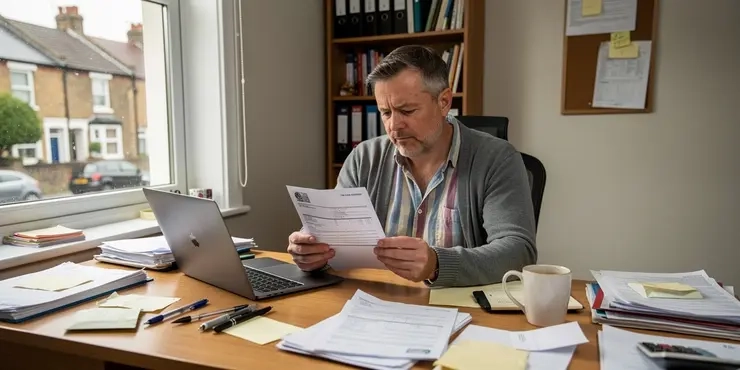
Receiving a tax refund letter from HM Revenue and Customs (HMRC) can be surprising, especially if you believe you haven't overpaid taxes. It's vital to understand why you received this communication and what steps to take. This guide will help you navigate the situation effectively.
Reasons for Receiving a Tax Refund Letter
There are several reasons you may receive a tax refund letter even if you think you haven't overpaid taxes. Sometimes, HMRC may reassess your tax return and find discrepancies that result in overpayment. Situations such as changes in tax codes, adjustments to deductions or allowances, or errors in your self-assessment can also lead to a refund.
Verifying the Authenticity of the Letter
First, ensure that the letter is genuinely from HMRC. Look for official HMRC branding, including logos and contact information. HMRC will never ask for bank or payment details over email or phone. If in doubt, contact HMRC directly using verified contact details from their official website to confirm the letter's authenticity.
Cross-Checking Your Tax Records
Before taking any action, review your tax records for the relevant year. Check your P60, P45, and any self-assessment tax returns to ensure there hasn't been an error. Sometimes, mistakes occur that lead to accidental overpayment, such as incorrect income reporting or unclaimed deductions.
Contacting HMRC for Clarification
If you're still uncertain about the legitimacy or reason for the refund letter, contact HMRC directly. Use the official HMRC contact numbers and emails. They can provide detailed explanations and help clear any confusion regarding your tax situation.
Next Steps if the Refund is Genuine
Once you've verified the letter's authenticity and concluded that the refund is genuine, follow the instructions provided in the letter. HMRC may send your refund through a cheque or directly deposit it into your bank account. Ensure your bank details with HMRC are correct if the refund will be deposited electronically.
Dealing with Potential Scams
Be aware of potential scams. Scam letters might mimic HMRC correspondence to trick recipients into providing personal information. If you suspect a scam, report it to HMRC and do not engage with the sender. Scams can often pressure recipients to act quickly or share sensitive information.
Conclusion
Receiving a tax refund letter unexpectedly can be unsettling, but careful verification and understanding of the situation can help. Confirm the letter's authenticity, review your tax records, and reach out to HMRC if needed. Stay vigilant against scams, and proceed with any genuine claims as advised in the letter.
Understanding Your Tax Refund Letter
Getting a tax refund letter from HM Revenue and Customs (HMRC) might surprise you. This letter means you could have paid too much tax. It is important to know why you got the letter and what to do next. This guide will help you understand.
Reasons for Receiving a Tax Refund Letter
Sometimes, you get a refund letter even if you think you did not pay too much tax. HMRC may check your taxes again and find you paid too much. This can happen if tax codes change, or if there are mistakes in deductions or allowances. Errors on your tax forms can also cause a refund.
Verifying the Authenticity of the Letter
First, make sure the letter is really from HMRC. Check for official HMRC logos and contact details. HMRC will never ask for your bank details by email or phone. If you are not sure, go to the HMRC website and use their contact details to check.
Cross-Checking Your Tax Records
Look at your tax documents for the year. Check your P60, P45, and any tax returns. See if there are mistakes. Sometimes, things get reported wrong, or deductions are not claimed, leading to overpaying your taxes.
Contacting HMRC for Clarification
If you are still not sure about the letter, contact HMRC. Use their official phone numbers and emails. They can explain everything and help you understand your taxes better.
Next Steps if the Refund is Genuine
If the letter is real and the refund is correct, follow the instructions in the letter. HMRC might send you a cheque or pay the money into your bank account. Make sure your bank details are correct with HMRC if they are paying you directly.
Dealing with Potential Scams
Watch out for scams. Some letters may look like they are from HMRC to trick you into giving personal information. If you think it is a scam, tell HMRC and do not reply to the sender. Scams often try to make you act fast or give away sensitive details.
Conclusion
It can be confusing to get a tax refund letter you did not expect. But if you check it carefully and understand what to do, it can be easy. Make sure the letter is real, look at your tax documents, and contact HMRC if you need to. Be careful of scams, and follow the advice in the letter if it is a real refund.
Frequently Asked Questions
Verify the authenticity of the letter and check your tax records to ensure there are no discrepancies. Contact the tax authority to confirm the letter and the details of any refund.
Check for official logos, contact information, and reference numbers on the letter. Contact the issuing tax authority directly using official channels to verify the letter.
Yes, it's possible. Contact them to clarify the details of the refund and ensure there are no errors.
It's possible. Be cautious and verify the letter with the official tax authority to ensure it is not a phishing attempt.
Have your Taxpayer Identification Number (TIN), a copy of the letter, and any relevant tax documents handy.
No, do not ignore the letter. Contact the tax authority to confirm its authenticity and resolve any discrepancies.
Follow the guidance provided by the tax authority, which may include returning the refund or adjusting future tax payments.
Never provide personal information via phone or email unless you have verified the source. Use official channels for any communication with tax authorities.
Yes, if the tax authority determines it was an error, you will likely need to return the refund.
Act promptly to confirm the letter's authenticity and resolve any issues quickly to avoid potential complications.
You might need to provide your previous tax returns, proof of income, and any correspondence received.
Errors can happen, but it’s not very common. It's important to verify any unexpected communication from tax authorities.
Clerical errors, miscalculations, or system issues can result in incorrect refund letters being sent.
Yes, changes in tax laws might affect your refund, but any official changes will be communicated by the tax authority.
There may be penalties if you fail to return an erroneous refund after being notified by the tax authority.
Regularly review your tax documents, keep thorough records, and consider consulting a tax professional for assistance.
No, do not deposit the check until you've verified its legitimacy with the tax authority.
Contact the tax authority immediately to explain the situation and follow their instructions for repayment.
Yes, a tax professional can provide guidance and assist with communicating with the tax authority.
Contact the tax authority through their official website or phone number to update your contact details.
Make sure the letter is real. Look at your tax papers to see if everything matches. Call the tax office to make sure the letter and refund are correct.
Look for official logos, contact information, and reference numbers on the letter. Call the tax office directly using the phone number on their website to make sure the letter is real.
Yes, you can do that. Get in touch with them to talk about the refund. Make sure everything is correct.
Yes, it can happen. Be careful. Check the letter with the real tax office to make sure it's not fake.
Keep these things ready:
- Your Tax Number (called TIN)
- A copy of the letter you got
- Any papers you have about your taxes
Don't ignore the letter. Check with the tax office to make sure it is real. Fix any mistakes.
Listen to the advice given by the tax office. They might tell you to send the refund back or change how much you pay in taxes next time.
Do not give personal information over the phone or in an email unless you know who you are talking to. Talk to the tax office only in safe ways you know and trust.
Yes, if the tax office finds a mistake, you might have to give the money back.
Check the letter quickly to see if it's real. Fix any problems fast to stop bigger issues later.
You might need to show your old tax forms, proof that you earn money, and any letters you got.
Mistakes can happen, but they don't happen a lot. It's good to check any messages that seem strange from tax offices.
Sometimes mistakes happen with refund letters:
- People might make typing or adding mistakes.
- Computers can have problems too.
- These things can make refunds wrong.
If you get a wrong letter, here are some things you can do:
- Ask someone you trust for help.
- Use a calculator to check the numbers.
- Contact the company to ask questions.
Yes, tax rules can change, and this might change your refund. The tax office will tell you if there are any new changes.
You might get in trouble if you do not give back a wrong refund after the tax office tells you about it.
Check your tax papers often. Keep good records. You might want to talk to a tax expert to help you.
No, do not put the check in the bank yet. First, check with the tax office to make sure the check is real.
Call the tax office right away. Tell them what happened. They will help you fix it and pay back the money.
Yes, a tax expert can help you talk to the tax office and give you advice.
Go to the tax office website or call their phone number to change your contact details.

Ergsy Search Results
This website offers general information and is not a substitute for professional advice.
Always seek guidance from qualified professionals.
If you have any medical concerns or need urgent help, contact a healthcare professional or emergency services immediately.
Some of this content was generated with AI assistance. We've done our best to keep it accurate, helpful, and human-friendly.
- Ergsy carefully checks the information in the videos we provide here.
- Videos shown by Youtube after a video has completed, have NOT been reviewed by ERGSY.
- To view, click the arrow in centre of video.
- Most of the videos you find here will have subtitles and/or closed captions available.
- You may need to turn these on, and choose your preferred language.
- Go to the video you'd like to watch.
- If closed captions (CC) are available, settings will be visible on the bottom right of the video player.
- To turn on Captions, click settings.
- To turn off Captions, click settings again.