
Get Answers
Nettle Rash: Understanding the Basics
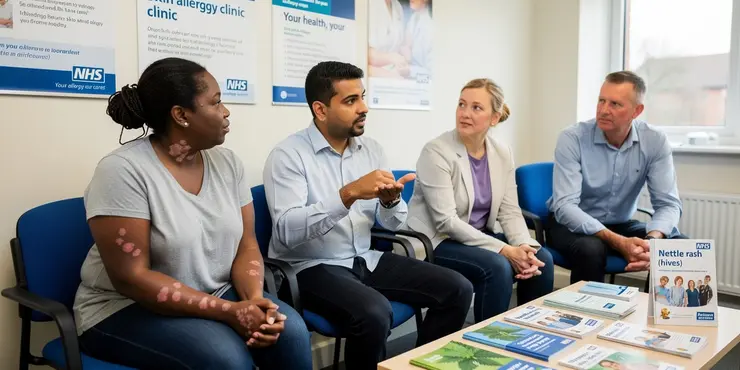
Nettle rash, also known as urticaria or hives, is a common condition characterised by raised, itchy welts on the skin. This rash can be caused by several factors, including allergic reactions, stress, or environmental influences. Nettle rash is generally harmless but can be uncomfortable and sometimes persistent.
Causes of Nettle Rash
In the UK, nettle rash is often triggered by an allergic response to certain foods, medications, or environmental factors, such as pollen or animal dander. Physical triggers such as heat, cold, or even pressure on the skin can also lead to outbreaks. In some cases, stress or infections may exacerbate the condition. While the exact cause can often be difficult to pinpoint, keeping track of outbreaks and possible triggers can help in managing the condition.
Symptoms and Diagnosis
The primary symptom of nettle rash is the appearance of itchy welts that can vary in size and shape. These may appear anywhere on the body and can last from a few hours to several days. Diagnosis is typically based on the appearance of the rash and any known triggers. In some cases, a healthcare professional may recommend allergy testing to identify specific allergens.
Management and Treatment
Treatment for nettle rash usually focuses on alleviating symptoms. Over-the-counter antihistamines are commonly used to reduce itching and swelling. For chronic or severe cases, a doctor may prescribe stronger medications. Identifying and avoiding triggers is a crucial element in managing the condition effectively. For immediate relief, applying cool compresses may help soothe the skin.
When to Seek Medical Advice
While nettle rash is mostly benign, it is important to seek medical help if the rash is accompanied by severe breathing difficulties, or swelling around the mouth or throat, as these could be signs of a serious allergic reaction. Additionally, if the rash is persistent or especially bothersome, consulting a healthcare professional in the UK for tailored advice may be beneficial.
Nettle Rash: Understanding the Basics
Nettle rash, or hives, is when your skin gets raised and itchy bumps. It can happen if you are allergic to something, feeling stressed, or because of things around you. Nettle rash is usually not dangerous but can feel uncomfortable.
Causes of Nettle Rash
In the UK, nettle rash can start because you are allergic to some foods, medicines, or things like pollen or pet hair. It can also happen if your skin gets hot, cold, or pressed on. Stress or infections can make it worse. It helps to keep a diary of when the rash appears to see what might be causing it.
Symptoms and Diagnosis
Nettle rash looks like itchy bumps that can be different sizes and shapes. They can show up anywhere on your body and last from a few hours to a few days. Doctors usually look at the rash and ask about triggers to know if it is nettle rash. Sometimes, they might do allergy tests.
Management and Treatment
To help with nettle rash, you can use medicine from the pharmacy that stops itching and swelling, called antihistamines. If it's really bad, a doctor might give you stronger medicine. Finding out what causes your rash and staying away from those things is very important. Putting something cool on the skin can also help make it feel better.
When to Seek Medical Advice
Nettle rash is not usually serious, but if you have trouble breathing or swelling near your mouth or throat, get medical help quickly, as this could be serious. If the rash doesn’t go away or is very troubling, seeing a doctor in the UK for advice is a good idea.
Frequently Asked Questions
Nettle rash, also known as urticaria or hives, is a skin reaction that causes red, itchy, and raised welts to form on the skin.
Nettle rash can be caused by allergens, stress, infections, or certain medications. Physical triggers like heat or friction can also cause it.
Acute nettle rash usually lasts for a few hours to a couple of days, but chronic cases can persist for six weeks or more.
Common symptoms include red or skin-colored welts on the skin, itching, and sometimes a burning or stinging sensation.
Doctors diagnose nettle rash based on the appearance of the welts and medical history. They may also perform allergy tests or blood tests.
Treatment often involves avoiding triggers and using antihistamines to relieve symptoms. Severe cases may require corticosteroids or other medications.
Avoiding known triggers, managing stress, and taking antihistamines prophylactically can help prevent episodes of nettle rash.
Applying a cool compress, taking an oatmeal bath, and using over-the-counter antihistamines can provide relief from symptoms.
No, nettle rash itself is not contagious, though the underlying cause might be, such as a viral infection.
Consult a doctor if the rash is severe, persistent for more than a few days, or if it affects breathing or other serious symptoms occur.
Yes, nettle rash can affect people of all ages, including children, often due to allergens or viral infections.
Though rare, complications can include anaphylaxis, a severe allergic reaction requiring immediate medical attention.
Common food triggers include nuts, shellfish, eggs, and milk. However, triggers can vary widely among individuals.
Yes, stress can be a trigger for nettle rash. Managing stress through relaxation techniques can help reduce outbreaks.
While the name is derived from the similar rash caused by stinging nettle plants, hives can result from various other triggers.
Nettle rash is also called urticaria or hives. It is a skin problem. It makes red, itchy bumps appear on the skin.
Nettle rash makes your skin itchy and red. It can happen because of things like allergies, stress, infections, or medicine. It can also happen if your skin gets too hot or rubbed a lot.
If you need help with reading, try using a tool that reads the text out loud. You can also ask someone you trust to explain it to you.
Nettle rash can make your skin itchy and bumpy. It usually goes away in a few hours or a day or two. But sometimes, it can last a long time, like more than six weeks.
Some common signs are red or skin-colored bumps on the skin. They can make you itch. Sometimes they feel like they are burning or stinging.
Doctors find out if someone has nettle rash by looking at the skin and asking about their health. They might also do tests for allergies or check the blood.
If you need help reading, try using an audiobook or reading app. These tools can read the text out loud for you.
To feel better, try to stay away from things that upset you. Medicine called antihistamines can help you feel better too. If you feel really bad, a doctor might give you stronger medicine like corticosteroids.
To stop itching and rash:
- Stay away from things that can make you itchy.
- Try to stay calm and not get stressed.
- You can take special medicine, called antihistamines, to help keep the rash away.
Using pictures or signs can help remember these tips!
You can feel better if you try these things:
- Put a cold, wet cloth on the itchy or sore part.
- Take a bath with oatmeal. It can help your skin feel nice.
- You can take medicine from the store that helps with allergy symptoms, like sneezing or itching. These are called antihistamines.
Ask an adult for help if you need it.
Nettle rash is not something you can catch from someone else. But the thing that causes it, like a virus, can sometimes spread.
See a doctor if the rash is very bad, lasts more than a few days, or if you have trouble breathing or other serious problems.
Yes, nettle rash can happen to anyone, even kids. It usually happens because of things like allergies or when you're sick with a virus.
Even though it's not common, sometimes there can be problems. One of these problems is called anaphylaxis. This is a very strong allergic reaction. If this happens, you need to get help from a doctor right away.
Some foods can cause allergies. These include nuts, shellfish, eggs, and milk. But remember, different people can be allergic to different foods.
Yes, stress can make nettle rash happen. Doing things to relax can help stop the rash from coming.
The name "hives" comes from the rash you can get from stinging nettle plants. But, hives can happen for other reasons too.

Ergsy Search Results
This website offers general information and is not a substitute for professional advice.
Always seek guidance from qualified professionals.
If you have any medical concerns or need urgent help, contact a healthcare professional or emergency services immediately.
Some of this content was generated with AI assistance. We've done our best to keep it accurate, helpful, and human-friendly.
- Ergsy carefully checks the information in the videos we provide here.
- Videos shown by Youtube after a video has completed, have NOT been reviewed by ERGSY.
- To view, click the arrow in centre of video.
- Most of the videos you find here will have subtitles and/or closed captions available.
- You may need to turn these on, and choose your preferred language.
- Go to the video you'd like to watch.
- If closed captions (CC) are available, settings will be visible on the bottom right of the video player.
- To turn on Captions, click settings.
- To turn off Captions, click settings again.