
Speak To An Expert
Get clear, personalised advice for your situation.
Jot down a few questions to make the most of your conversation.
What is an NHS colic massage demonstration?
An NHS colic massage demonstration is a simple, practical session that shows parents and carers how to use gentle touch to help soothe a baby with colic. It is usually given by a health visitor, midwife, nurse, or another trained professional. The aim is to offer reassurance and safe, easy-to-follow techniques.
Colic can be distressing for families because a baby may cry for long periods, often in the late afternoon or evening. A demonstration can help you understand whether massage may support comfort, relaxation, and bonding. It also gives you a chance to ask questions in a calm setting.
What happens during the demonstration?
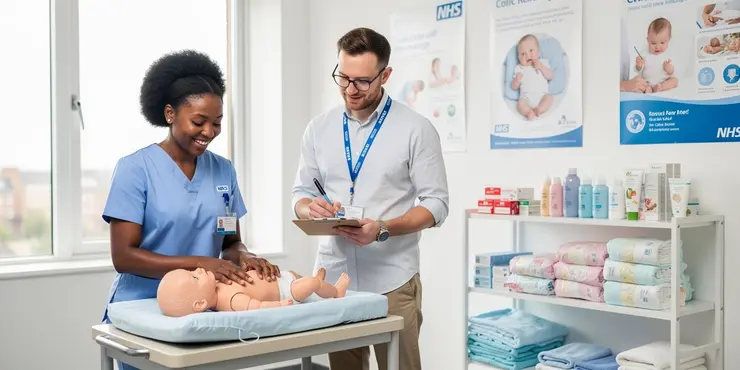
During the session, the practitioner will explain the signs of colic and show you how to prepare your baby for massage. They may talk about timing, room temperature, and how to make sure your baby is settled first. You will usually be shown the strokes on a doll, model, or directly on your baby if appropriate.
The massage itself is normally very gentle and involves slow movements on the tummy, legs, and back. The professional will demonstrate how to use light pressure and stop if your baby seems uncomfortable. You may be invited to try the technique yourself while receiving guidance.
How can colic massage help?
Some parents find that massage helps their baby relax and may reduce wind or discomfort. It can also become part of a calming bedtime routine. Even if it does not stop crying completely, it may still make you feel more confident in caring for your baby.
Massage can also support bonding, as it gives you a quiet, focused time together. Many families appreciate having a gentle, non-medical option they can use at home. The demonstration helps ensure the technique is used safely and appropriately.
Safety and when to seek advice
Massage should only be done when your baby is settled and not immediately after a feed unless you have been advised otherwise. It is important to avoid pressing on the tummy too firmly and to stop if your baby becomes upset. Always follow the guidance you are given by the NHS professional.
If your baby has a fever, is vomiting, has blood in their stool, is not feeding well, or seems unwell in any way, seek medical advice promptly. Not all crying is colic, and it is important to rule out other causes. Your health visitor, GP, or NHS 111 can advise if you are unsure.
Getting support from the NHS
You may be offered a colic massage demonstration through a health visitor clinic, baby group, or family support service. Availability can vary by area, so it is worth asking your local NHS team. They can also suggest other ways to help with wind, reflux, or settling.
For many families, the demonstration is less about a cure and more about building confidence. It gives you trusted advice, a chance to practise, and reassurance that you are not alone. Small, gentle techniques can make a real difference to day-to-day coping.
Frequently Asked Questions
A colic massage demonstration shows gentle tummy-massage techniques intended to help comfort a baby with colic-like fussiness, gas, or abdominal discomfort. It is typically educational and should not replace medical advice.
A colic massage demonstration usually explains slow, light strokes on the baby’s abdomen, legs, and back to encourage relaxation and possibly help move trapped gas. The goal is soothing, not forceful pressure.
Parents, caregivers, and anyone who regularly cares for an infant may benefit from a colic massage demonstration. It is especially helpful for people who want to learn safe, gentle soothing techniques.
Techniques from a colic massage demonstration are often used when the baby is calm, alert, and not immediately after feeding. A professional or pediatrician may advise on the best timing for a specific baby.
A colic massage demonstration can take anywhere from a few minutes to about half an hour, depending on how detailed the instructor is. A full lesson may include explanation, practice, and safety guidance.
Before a colic massage demonstration, prepare a warm, quiet space, a safe flat surface, clean hands, and any materials the instructor recommends. The baby should be comfortable and supervised at all times.
A colic massage demonstration can be safe for newborns when it uses very gentle techniques and follows infant-safety guidance. Parents should stop if the baby seems uncomfortable and consult a clinician if there are concerns.
A colic massage demonstration often includes clockwise tummy circles, gentle leg movements like bicycle motions, and soothing back strokes. The exact methods may vary by instructor or healthcare provider.
A colic massage demonstration may show techniques that can help some babies feel relief from gas and bloating. Results vary, and persistent symptoms should be discussed with a pediatrician.
A colic massage demonstration should be stopped if the baby cries harder, stiffens, turns away, vomits, has a swollen abdomen, or seems in pain. Any concerning symptoms should be reviewed by a healthcare professional.
You do not usually need special certification to follow basic steps from a colic massage demonstration at home, but proper instruction is important. If you are unsure, ask a pediatrician or qualified infant-massage instructor.
No, a colic massage demonstration cannot replace medical treatment or evaluation. It is a supportive technique, and ongoing crying, fever, poor feeding, or other symptoms need medical attention.
A colic massage demonstration usually requires no special products beyond a clean, safe space and possibly a small amount of baby-safe oil if recommended. Always avoid products that irritate the baby’s skin.
The techniques from a colic massage demonstration can often be used once or several times a day if the baby tolerates them well. The frequency should be guided by the baby’s comfort and any advice from a clinician.
A colic massage demonstration may include brief tummy or leg massage during calm moments around diaper changes, but it should not be rushed. The baby’s comfort and safety are more important than fitting it into a routine.
During a colic massage demonstration, parents should ask about pressure level, timing after feeding, warning signs, and whether the technique suits their baby’s age and health. Clear questions help ensure safe practice.
A colic massage demonstration is being done correctly when the strokes are gentle, the baby remains comfortable, and the instructor explains safe hand placement and timing. If the baby seems distressed, the technique should be adjusted or stopped.
A colic massage demonstration may be appropriate for some premature babies, but only with guidance from a pediatrician or neonatal specialist. Premature infants can have different needs and sensitivities.
An in-person colic massage demonstration allows hands-on guidance, immediate feedback, and the chance to ask questions about technique and safety. It can be especially helpful for first-time caregivers.
A qualified colic massage demonstration may be available through pediatric clinics, infant-massage instructors, parenting classes, or hospital education programs. Look for providers with experience in infant care and safety.

Ergsy Search Results
This website offers general information and is not a substitute for professional advice.
Always seek guidance from qualified professionals.
If you have any medical concerns or need urgent help, contact a healthcare professional or emergency services immediately.
Some of this content was generated with AI assistance. We've done our best to keep it accurate, helpful, and human-friendly.
- Ergsy carefully checks the information in the videos we provide here.
- Videos shown by Youtube after a video has completed, have NOT been reviewed by ERGSY.
- To view, click the arrow in centre of video.
- Most of the videos you find here will have subtitles and/or closed captions available.
- You may need to turn these on, and choose your preferred language.
- Go to the video you'd like to watch.
- If closed captions (CC) are available, settings will be visible on the bottom right of the video player.
- To turn on Captions, click settings.
- To turn off Captions, click settings again.