
Get Answers
Importance of Packaging in Identifying Fake Weight Loss Drugs
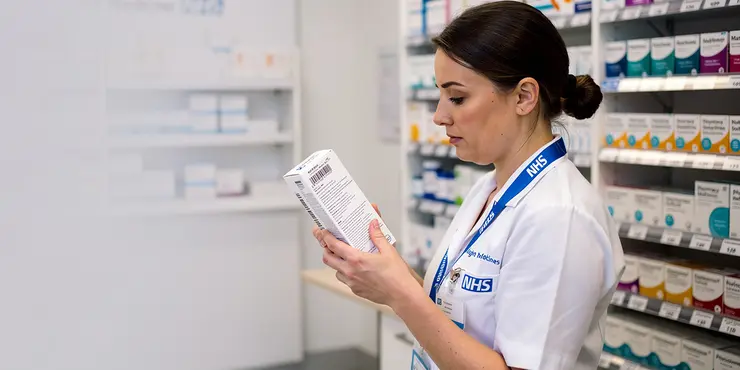
The packaging of weight loss drugs plays a crucial role in determining their authenticity, especially as counterfeit drugs continue to flood the market. In the UK, the issue of fraudulent weight loss products poses a significant risk to consumers, not only rendering them ineffective but also potentially harmful. Understanding packaging elements can serve as a first line of defense in identifying fake weight loss drugs.
Recognizing Legitimate Packaging
Authentic weight loss products typically feature high-quality packaging with precise detailing. Indicators include evenly placed labels, clear and professional font usage, and the absence of grammatical errors. Original products often use unique packaging materials and bespoke designs to differentiate themselves from counterfeit goods. The integrity of the packaging, such as tamper-evident seals and holograms, is often difficult for counterfeiters to replicate accurately.
Regulatory Marks and Compliance
In the United Kingdom, official weight loss drugs must comply with regulations set by bodies like the Medicines and Healthcare products Regulatory Agency (MHRA). Packaging for legitimate products should display certification marks, batch numbers, and expiry dates that confirm compliance with relevant health and safety standards. Lack of these can be a substantial red flag indicating that a product may be fake.
Differences in Branding and Labelling
Counterfeit drugs often feature easily identifiable discrepancies in branding and labelling. Differences in logo design, missing brand identifiers, and inconsistent colour schemes from the original brand are common in fake weight loss drugs. Consumers should also be vigilant about labels that show signs of being tampered with, such as mismatched colours and smudged prints, which could hint at counterfeiting activities.
Protective Packaging Techniques
Manufacturers of legitimate weight loss products frequently adopt advanced protective packaging features to safeguard their products from counterfeiters. Technologies such as QR codes, barcodes, or RFID seals enable consumers to verify the authenticity of the product by cross-referencing these codes with official databases. Lack of these digital verification elements can signify a fake product.
Role of Consumer Awareness
Ultimately, consumer awareness is vital in the fight against counterfeit drugs. Education about decoding packaging cues equips consumers with the tools they need to scrutinize the products they purchase. Being informed about what constitutes legitimate packaging can prevent a great deal of potential harm. Therefore, consumers should remain aware of the latest trends and methods used by counterfeiters in order to stay a step ahead.
Conclusion
Packaging serves as more than just a protective shell; it is an essential component in identifying fake weight loss drugs. By recognizing legitimate packaging characteristics and understanding the telltale signs of counterfeit products, consumers can protect themselves from ineffective or even harmful drugs. As counterfeit products continue to evolve, consumer vigilance, alongside regulatory efforts, plays a crucial role in identifying and avoiding fraudulent weight loss products in the UK market.
Frequently Asked Questions
Packaging often contains information and security features that help distinguish genuine products from counterfeit ones.
Look for tamper-evident seals, holograms, batch numbers, and expiration dates on the packaging.
Yes, poor quality printing, misspelled words, and inconsistent logos can be signs of counterfeit packaging.
Yes, legitimate packaging may include holograms, QR codes, and other authentication features.
Do not consume the product and contact the manufacturer or your local health authority for guidance.
Counterfeiters often focus on producing fake products quickly and cheaply, neglecting detailed packaging.
Not always, but authentic packaging is a strong indicator. Checking the product itself and buying from reputable sources is also important.
In many cases, yes. You can often verify authenticity with codes or serial numbers provided on the packaging.
You can report them to the manufacturer, local health authorities, or consumer protection agencies.
Most have some level of complexity to ensure security, but this can vary by brand and manufacturer.
Counterfeiters often struggle to replicate all the security features perfectly, though high-quality counterfeits can exist.
Plain or generic packaging can be a red flag for counterfeit products, so extra caution is needed.
Tamper-evident packaging includes seals or indicators that reveal if the package has been opened or altered.
Batch numbers help track the production and distribution of products, aiding in authenticity verification.
Yes, batch numbers and expiration dates can be used to check for recalls on official websites.
Fake products might have altered or missing expiration dates, which can indicate tampering or counterfeiting.
Differences in color, font, or design inconsistencies compared to known genuine products can signal counterfeits.
Holograms are complex to replicate, so their presence can help verify genuine packaging.
A QR code can link to a website providing verification of authenticity or additional product information.
No, while packaging is an important factor, product authenticity should also be verified by trusted sellers and manufacturers.

Ergsy Search Results
This website offers general information and is not a substitute for professional advice.
Always seek guidance from qualified professionals.
If you have any medical concerns or need urgent help, contact a healthcare professional or emergency services immediately.
Some of this content was generated with AI assistance. We've done our best to keep it accurate, helpful, and human-friendly.
- Ergsy carefully checks the information in the videos we provide here.
- Videos shown by Youtube after a video has completed, have NOT been reviewed by ERGSY.
- To view, click the arrow in centre of video.
- Most of the videos you find here will have subtitles and/or closed captions available.
- You may need to turn these on, and choose your preferred language.
- Go to the video you'd like to watch.
- If closed captions (CC) are available, settings will be visible on the bottom right of the video player.
- To turn on Captions, click settings.
- To turn off Captions, click settings again.