
Get Answers
Understanding Postnatal Depression
Postnatal depression is a type of mood disorder that can affect individuals after childbirth. It is characterized by feelings of extreme sadness, anxiety, and exhaustion that may interfere with a woman's ability to care for herself or her family. While it is often associated with women, it can also affect partners and adoptive parents.
Risk Factors
Understanding the risk factors for postnatal depression is crucial in considering prevention. These may include a history of depression or mental health issues, a lack of support from family and friends, financial difficulties, or major life changes occurring simultaneously with childbirth. Additionally, hormonal changes and the physical and emotional demands of caring for a newborn may contribute to the development of postnatal depression.
Preventive Measures
While it may not be entirely preventable, certain measures can reduce the risk of developing postnatal depression. Ensuring adequate support is paramount. Engaging in open conversations with partners, family, and friends about mental health expectations and planning for the postpartum period can create a supportive network. Additionally, attending antenatal classes that discuss mental health can prepare expectant parents for the emotional challenges of parenthood.
Health Professional Support
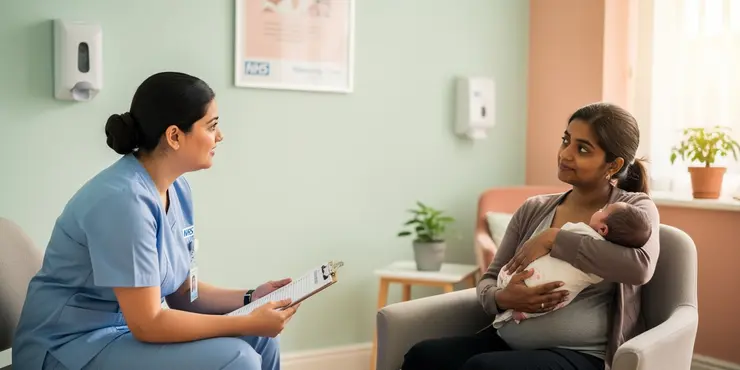
In the UK, professional support from healthcare providers is a critical component of prevention. Pregnant individuals should discuss any mental health concerns with their midwife or GP. These professionals can offer resources and support plans to address mental health needs early. The National Health Service (NHS) provides access to perinatal mental health teams that specialize in managing mental health issues in pregnancy and postpartum.
Self-Care and Lifestyle Considerations
Self-care practices can significantly impact mental health and help prevent postnatal depression. Ensuring adequate rest and nutrition is vital. New parents should be encouraged to rest when possible and seek help with feeding and caring for the newborn. Engaging in mild physical activity, as recommended by health professionals, can also improve mood and energy levels.
Community and Peer Support
Connecting with other parents through support groups either in person or online can provide a sense of community and shared experience. Many local councils and charities offer parenting groups and workshops that create opportunities to share and address parenting concerns collectively.
Conclusion
While postnatal depression may not always be preventable, awareness and proactive measures can significantly reduce its likelihood and impact. The key lies in early identification of risk factors, establishing strong support networks, and maintaining open communication with healthcare providers. With these strategies in place, new parents can experience a more positive postnatal period and better overall mental health outcomes.
Understanding Postnatal Depression
Postnatal depression can happen to people after they have a baby. It makes them feel very sad, worried, and very tired. This can make it hard for them to take care of themselves or their family. It mostly affects mothers, but fathers and adoptive parents can also feel this way.
Risk Factors
Some things can make postnatal depression more likely. These include having had depression before, not having help from family and friends, money problems, or big changes happening at the same time as the baby is born. Also, changes in hormones and looking after a new baby can make someone feel more sad.
Preventive Measures
We can't always stop postnatal depression, but we can make it less likely. It's important to have help and support. Talking with your partner, family, and friends about feelings and getting ready for the new baby can help. Going to classes before the baby is born to learn about feelings and parenting can also help.
Health Professional Support
In the UK, doctors and nurses can help a lot. Pregnant people should talk to their midwife or GP about any worries. These professionals can give help and make a plan to support mental health. The NHS has special teams for helping with mental health during pregnancy and after having a baby.
Self-Care and Lifestyle Considerations
Taking care of yourself is very important. Getting enough sleep and eating good food can help a lot. New parents should try to sleep when the baby sleeps and ask for help when needed. Doing light exercise, as advised by doctors, can help you feel better and have more energy.
Community and Peer Support
Meeting other parents in groups can help you feel connected. These can be in-person or online. Local councils and charities often have groups and workshops for parents. These help parents talk about similar experiences and help each other.
Conclusion
We may not stop postnatal depression completely, but knowing certain things can help. Knowing what might make it happen, having people to help you, and talking with your doctor can really help. With these steps, new parents can feel better and have better mental health.
Frequently Asked Questions
Postnatal depression is a type of mood disorder that can affect women after childbirth, leading to feelings of sadness, anxiety, and exhaustion.
There is no guaranteed way to prevent postnatal depression, but certain strategies may help reduce the risk.
Risk factors include a history of depression, lack of support, stressful life events, and complications in pregnancy or childbirth.
Having a strong support system from family and friends can help reduce stress and provide emotional and practical support to new mothers.
Regular physical activity, a balanced diet, and adequate sleep can help improve mood and overall well-being.
Yes, recognizing and addressing early signs of depression can prevent the condition from worsening.
Therapy or counseling can provide emotional support and coping strategies, potentially reducing the risk of developing postnatal depression.
Education can help women recognize symptoms and understand when to seek help, aiding in early intervention.
Healthcare providers can screen for depression during and after pregnancy, offering support and referrals when needed.
Breastfeeding can influence mood through hormonal effects, but it's important mothers choose the feeding method that works best for them.
Effective stress management techniques can help reduce the risk of developing postnatal depression.
Partner involvement and support during pregnancy and after childbirth can be beneficial in reducing the risk.
In some cases, healthcare providers may recommend medication for women at high risk, but this must be carefully managed.
A history of mental health issues increases the risk, so proactive steps and monitoring are crucial.
Support groups provide a space for sharing experiences and emotions, which can be helpful in prevention.
Relaxation techniques such as meditation and yoga can help reduce stress and improve mood.
Proper nutrition supports overall health and can improve energy levels and mood.
Adequate sleep is crucial for mental well-being and can help reduce the risk of depression.
These classes can prepare parents for the changes ahead and reduce anxiety, which may lower depression risk.
Understanding that feeling overwhelmed is normal and seeking help when needed can reduce feelings of isolation and depression.
After a baby is born, some mums can feel very sad, worried, and very tired. This is called postnatal depression. It happens because of big changes in the body and mind.
There is no sure way to stop postnatal depression, but some things might help make it less likely.
Things that can make someone more at risk are:
- having had depression before,
- not having enough help from family or friends,
- going through hard times in life,
- having problems during pregnancy or when the baby is being born.
It is good to have family and friends who can help you. They can make you feel less worried and give you help when you need it.
Doing exercise, eating healthy food, and getting enough sleep can make you feel better and happier.
Yes, it's important to see the signs of feeling very sad and get help. This can stop it from getting worse.
Talking with a therapist or counselor can help you feel better. They can give you tips to handle your feelings. This might stop you from feeling very sad after having a baby.
Learning can help women know when they feel sick. It helps them understand when to ask for help. This way, they can get better faster.
Doctors and nurses can check if moms feel sad during and after having a baby. They can help and find more people to help if it is needed.
Breastfeeding might change how moms feel because of body chemicals called hormones. But the most important thing is for moms to pick the way of feeding that feels right for them.
Learning how to handle stress can help you feel better and stop you from becoming very sad after having a baby.
Having a partner's help and support when a baby is coming and after the baby is born can be very good. It can help keep problems away.
Sometimes, doctors might suggest medicine for women who have a high chance of getting sick. This needs to be watched closely.
If someone has had problems with their mental health before, they might have a bigger chance of having those problems again. It's important to take steps to help and keep an eye on how they are feeling.
Support groups are like clubs where people can talk about their feelings and stories. This can help stop problems before they start.
Doing things like meditation and yoga can help you feel less stressed and happier.
Eating the right foods helps you stay healthy. It can give you more energy and make you feel happier.
Getting enough sleep is very important. It helps keep your mind healthy and can stop you from feeling very sad.
These classes help parents get ready for changes. They can make parents feel less worried and may help stop them from feeling very sad.
It's normal to feel like things are too much sometimes. Asking for help can make you feel less alone and less sad.

Ergsy Search Results
This website offers general information and is not a substitute for professional advice.
Always seek guidance from qualified professionals.
If you have any medical concerns or need urgent help, contact a healthcare professional or emergency services immediately.
Some of this content was generated with AI assistance. We've done our best to keep it accurate, helpful, and human-friendly.
- Ergsy carefully checks the information in the videos we provide here.
- Videos shown by Youtube after a video has completed, have NOT been reviewed by ERGSY.
- To view, click the arrow in centre of video.
- Most of the videos you find here will have subtitles and/or closed captions available.
- You may need to turn these on, and choose your preferred language.
- Go to the video you'd like to watch.
- If closed captions (CC) are available, settings will be visible on the bottom right of the video player.
- To turn on Captions, click settings.
- To turn off Captions, click settings again.