
Get Answers
Understanding Road Rage
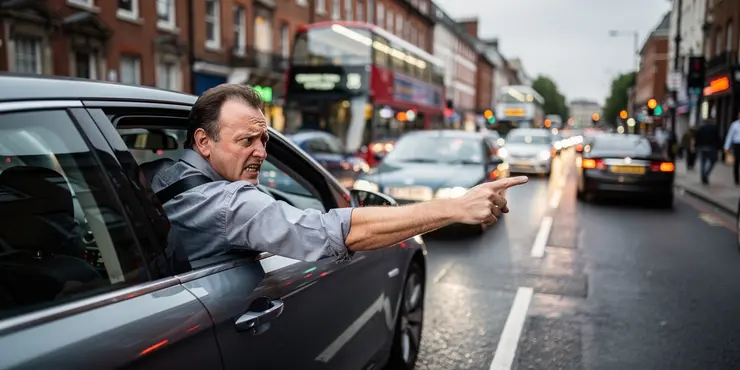
Road rage is a term used to describe aggressive or angry behavior exhibited by motorists. It can manifest in various forms including rude gestures, verbal insults, physical threats, or dangerous driving methods targeted at others. The high-stress levels often experienced in traffic jams or delays can exacerbate such behavior.
The Dangers of Road Rage
Road rage is undeniably a form of dangerous driving. It often leads to reckless and careless driving practices such as tailgating, frequent lane changing, or even speeding to intimidate other drivers. Such actions not only put the aggressor and their target in harm's way but also pose significant risks to other road users, including pedestrians and cyclists.
In the UK, road rage incidents have been linked to severe accidents and fatalities. The aggressive driving style associated with road rage can reduce a driver's reaction time and ability to control their vehicle, increasing the likelihood of collisions. Moreover, encounters can escalate from aggressive driving to physical confrontations outside the vehicle, which can be equally dangerous.
Legal Implications
In the UK, there are severe repercussions for those found guilty of dangerous driving. The Road Traffic Act 1988 outlines that dangerous driving is characterised by falling far below acceptable standards and placing life at risk. Penalties can include hefty fines, disqualification from driving, and even imprisonment.
While road rage itself is not a specific legal term in UK law, the acts that constitute road rage, such as dangerous driving, careless driving, or assault, are punishable under various legal provisions. Additionally, being involved in road rage can lead to increased insurance premiums and a tarnished driving record.
Preventing Road Rage
Preventing road rage requires both awareness and proactive measures. Drivers can avoid provoking or engaging with aggressive drivers by maintaining a safe distance, using indicators, and allowing others to merge when necessary. Staying calm in stressful situations by listening to music or taking deep breaths can also be beneficial.
Educating drivers on the importance of patience and consideration for others can contribute to reducing road rage incidents. Campaigns and driving courses that emphasise road safety and promote courteous driving habits have been shown to decrease road rage occurrences.
Conclusion
In summary, road rage is a dangerous form of driving that poses significant risks to all road users. The aggressive behaviors associated with road rage can lead to serious accidents, legal consequences, and personal distress. By understanding and addressing the triggers of road rage, and promoting a culture of respect and patience on the roads, its occurrence can be mitigated, leading to a safer driving environment for everyone.
Understanding Road Rage
Road rage means getting very angry while driving. It usually means being rude or driving dangerously. For example, making rude signs, yelling, or trying to scare other drivers. People often get this way when they are stressed in traffic jams.
The Dangers of Road Rage
Road rage is very dangerous. It can make people drive badly, like driving too close to others, changing lanes too much, or speeding. This can cause accidents and hurt people walking or biking.
In the UK, road rage has caused bad crashes and deaths. Angry driving makes it hard to react quickly and control the car. Sometimes, the anger can even lead to fights outside the car.
Legal Implications
In the UK, driving dangerously has serious results. It is against the law to drive in a way that could hurt others. People can get big fines, lose their license, or go to jail for it.
Road rage isn't a special law term, but if you drive carelessly or hurt someone, you can get in trouble. It can also make your car insurance cost more money and affect your driving record.
Preventing Road Rage
To avoid road rage, drivers should be aware and careful. Keep a safe distance from other cars. Use signals and let others change lanes easily. Stay calm by listening to music or taking deep breaths.
Teaching drivers to be patient and kind can help reduce road rage. Campaigns and driving lessons that focus on safety and respect can make roads safer.
Conclusion
In short, road rage is dangerous and can hurt people. It can cause crashes, legal issues, and stress. By knowing what causes road rage and promoting kindness and patience, we can make driving safer for everyone.
Frequently Asked Questions
Road rage is aggressive or violent behavior stemming from a driver's uncontrolled anger at the actions of another motorist.
Yes, road rage can lead to dangerous driving behaviors that increase the risk of accidents.
Examples include tailgating, shouting, deliberately blocking another car, and making rude gestures.
Yes, road rage can lead to fatal crashes, especially if it escalates to violence or aggressive driving.
It can impair judgment, increase the likelihood of accidents, and create hazardous conditions on the road.
Legal consequences can include fines, license suspension, and even imprisonment if it results in injury or fatality.
Road rage is relatively common and surveys indicate many drivers experience or witness it regularly.
Common causes are stress, impatience, and feeling provoked by the perceived actions of other drivers.
Yes, being involved in road rage incidents can increase insurance premiums.
Maintaining patience, avoiding aggressive drivers, and practicing stress-reduction techniques can help prevent road rage.
While road rage itself might not be explicitly illegal, the behaviors it causes, such as aggressive driving, can be.
Stay calm, avoid eye contact, do not engage or retaliate, and if necessary, contact law enforcement.
In some cases, road rage might be linked to underlying stress or other psychological conditions.
Road rage is a behavior stemming from anger, while aggressive driving is a traffic offense involving deliberate unsafe driving.
Passengers should encourage the driver to remain calm, suggest stopping to cool down, or offer to take over driving if possible.
Signs include excessive honking, yelling, weaving through traffic, and physical confrontations.
Yes, especially if it results in harm to persons or property.
Technologies, such as dash cams and traffic monitoring systems, can help deter aggressive behavior by increasing accountability.
Yes, road rage involves aggressive behavior, while defensive driving involves anticipating and mitigating risks for safety.
Awareness campaigns can educate drivers on the dangers of road rage and promote safe driving practices.
Road rage is when a driver gets very angry or aggressive because of what another driver did.
Yes, road rage can make people drive dangerously. This can cause more accidents on the road.
Examples are:
- Driving too close behind another car.
- Shouting at other drivers.
- Blocking another car on purpose.
- Making rude hand signs.
Yes, road rage can cause deadly car crashes, especially if people get very angry or drive dangerously.
It can make it hard to make good choices. It can cause more accidents. This makes the road dangerous.
If you break the law, you might have to pay money, lose your driver's license, or even go to jail if someone gets hurt or dies.
Many people get angry when driving. Lots of drivers and passengers see this happen often.
People often get angry when driving. This can happen because they feel stressed, in a hurry, or upset by what other drivers do.
To stay calm, you can try some helpful tools:
- Take deep breaths.
- Listen to your favorite music.
- Give yourself extra time to get where you are going.
Getting angry or causing trouble while driving can make your car insurance cost more money.
Stay calm when driving, keep away from angry drivers, and try ways to relax to stop road rage. You can try taking deep breaths or listening to calm music.
Getting very angry while driving is called road rage. It is not against the law to feel angry. But the things people do when they have road rage, like driving very fast or not being careful, can be against the law.
Stay calm. Do not look at them. Do not talk back or fight. If you need help, call the police.
Sometimes, getting really angry while driving is because of stress or feeling upset inside.
Road rage is when a driver gets really mad. Aggressive driving is when someone drives dangerously on purpose. It is against the traffic rules.
If you find it hard to understand this, you can use tools like a dictionary or ask someone to help you with these words. Reading slowly and asking questions can also help you understand better.
You can help the driver stay calm. Ask them to stop and rest for a bit. Offer to drive if you can.
Signs of road rage are: lots of honking, shouting, swerving in and out of traffic, and fighting with other drivers.
Yes, especially if someone gets hurt or something gets broken.
Tools like cameras in cars and systems that watch traffic can help stop people from driving badly. They do this by making sure drivers know someone is watching.
Yes, road rage means people get angry and drive badly. Defensive driving means driving safely and trying to avoid problems.
Awareness campaigns can teach drivers about the dangers of road rage and how to drive safely.

Ergsy Search Results
This website offers general information and is not a substitute for professional advice.
Always seek guidance from qualified professionals.
If you have any medical concerns or need urgent help, contact a healthcare professional or emergency services immediately.
Some of this content was generated with AI assistance. We've done our best to keep it accurate, helpful, and human-friendly.
- Ergsy carefully checks the information in the videos we provide here.
- Videos shown by Youtube after a video has completed, have NOT been reviewed by ERGSY.
- To view, click the arrow in centre of video.
- Most of the videos you find here will have subtitles and/or closed captions available.
- You may need to turn these on, and choose your preferred language.
- Go to the video you'd like to watch.
- If closed captions (CC) are available, settings will be visible on the bottom right of the video player.
- To turn on Captions, click settings.
- To turn off Captions, click settings again.