
Get Answers
Why meningitis matters for travellers
Meningitis is an inflammation of the membranes around the brain and spinal cord. Some forms are caused by bacteria and can become very serious very quickly.
For travellers, the risk depends on where you are going, what you will be doing, and who you will be mixing with. It is not a vaccine everyone needs, but for some trips it can be a smart precaution.
When a vaccine may be worth considering
You may want to think about vaccination if you are travelling to parts of the world where meningococcal disease is more common. This is especially relevant for trips to the “meningitis belt” in sub-Saharan Africa.
It can also matter if you will be in crowded settings, such as military camps, student accommodation, religious gatherings, or backpacker hostels. Close contact and shared living spaces can increase the chance of infection spreading.
Some countries require proof of a meningitis vaccine for entry, particularly for certain visitors. This is common for pilgrims travelling to Saudi Arabia for Hajj or Umrah.
Who should seek travel health advice
It is sensible to speak to a travel clinic or GP if you are travelling with children, are pregnant, have a weakened immune system, or have no spleen. These groups may be more vulnerable to severe infection.
People who have had a meningitis vaccine before may still need a booster, depending on the type of vaccine and the destination. A health professional can check what is up to date and what is needed for your itinerary.
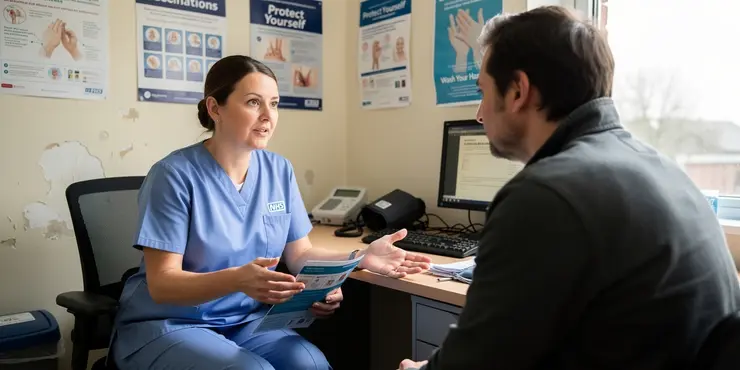
If you are travelling at short notice, it is still worth asking for advice. Even a brief appointment can help you understand whether vaccination is recommended.
What the vaccine can and cannot do
The meningitis vaccine does not protect against every cause of meningitis. It mainly helps prevent certain bacterial strains, so it should be seen as one part of staying healthy abroad.
Good travel habits still matter. Avoiding close contact with people who are unwell, washing hands often, and not sharing drinks or cigarettes can lower your risk.
If you develop symptoms such as fever, headache, stiff neck, confusion, or a rash during or after travel, seek urgent medical help. Meningitis can progress rapidly, so quick action is important.
The bottom line
Not every traveller needs a meningitis vaccine, but many should at least consider it. The decision depends on destination, season, travel style, and personal health.
For UK travellers, the best approach is to check official travel health advice well before departure. A quick conversation with a travel nurse or GP can help you decide whether vaccination is recommended for your trip.
Frequently Asked Questions
The meningitis vaccine for travelers helps protect against certain types of meningococcal disease that can spread quickly in close-contact settings. It is often recommended for trips to areas with higher risk, during outbreaks, or for people attending crowded events such as pilgrimages, dormitories, or military-style settings.
People traveling to regions with higher meningitis risk, especially parts of the meningitis belt in sub-Saharan Africa or during outbreaks elsewhere, may need the meningitis vaccine for travelers. It may also be advised for students, long-term travelers, pilgrims, and anyone with certain medical risk factors.
The meningitis vaccine for travelers is usually given at least 1 to 2 weeks before travel so the body has time to build protection. Some travel plans may require earlier vaccination depending on the vaccine type and destination entry requirements.
The meningitis vaccine for travelers is commonly recommended for travel to the meningitis belt in sub-Saharan Africa and may be required for entry to Saudi Arabia for Hajj or Umrah in some cases. Requirements can also change during outbreaks or depending on destination-specific rules.
The main meningitis vaccine for travelers options protect against meningococcal serogroups A, C, W, and Y, and another vaccine protects against serogroup B. The right choice depends on destination, age, outbreak risk, and personal medical history.
No, the meningitis vaccine for travelers does not protect against all causes of meningitis. It mainly protects against specific meningococcal bacteria, while meningitis can also be caused by viruses, other bacteria, and rarely fungi.
The meningitis vaccine for travelers is effective at reducing the risk of meningococcal disease caused by the covered strains. No vaccine provides 100% protection, but vaccination greatly lowers the chance of severe illness, especially in high-risk travel settings.
Common side effects of the meningitis vaccine for travelers include soreness at the injection site, mild fever, headache, fatigue, and muscle aches. Serious reactions are rare, but anyone with severe allergy symptoms should get urgent medical care.
Yes, the meningitis vaccine for travelers can often be given at the same visit as other travel vaccines, such as yellow fever, typhoid, or hepatitis vaccines. A clinician can advise whether any spacing or timing is needed based on the specific vaccines.
The meningitis vaccine for travelers is commonly required for pilgrims traveling to Saudi Arabia for Hajj or Umrah, depending on current entry rules. Travelers should check the latest official requirements well before departure because policies can change.
Protection from the meningitis vaccine for travelers lasts for several years, but the exact duration depends on the vaccine received and the person's age at vaccination. Booster doses may be recommended for people who remain at ongoing risk or travel again later.
Yes, many children can receive the meningitis vaccine for travelers, but the recommended vaccine type and age eligibility depend on the product. A pediatrician or travel clinic can determine the correct schedule for the child’s age and itinerary.
Some pregnant or breastfeeding travelers may receive the meningitis vaccine for travelers if the risk of exposure is significant. The decision depends on the travel destination, vaccine type, and individual medical circumstances, so medical advice is important.
People who have had a severe allergic reaction to a previous dose or to a vaccine component should generally not receive the meningitis vaccine for travelers. Anyone who is moderately or severely ill should usually wait until recovery unless a clinician advises otherwise.
Whether a prescription is needed for the meningitis vaccine for travelers depends on the country, clinic, and vaccine access rules. In many places, a travel clinic or primary care provider can assess the need and administer the vaccine without a separate prescription.
The cost of the meningitis vaccine for travelers varies by country, clinic fees, and vaccine type. Insurance coverage may differ, so travelers should check ahead of time to understand the total cost and whether any portion is reimbursable.
Yes, the meningitis vaccine for travelers can still be given after travel has started, but it is best to vaccinate before exposure. If the traveler has already been in a higher-risk setting, vaccination may still help reduce future risk during the trip.
Travelers should bring an official vaccine record or international vaccination certificate showing the meningitis vaccine for travelers details, including the date and vaccine name if required. This documentation can be important for border checks or entry requirements.
Travelers can find out by checking destination-specific vaccine guidance, outbreak alerts, and any entry requirements for their destination. A travel medicine clinician can assess the itinerary, trip length, and personal risk factors to decide whether the meningitis vaccine for travelers is needed.
If a traveler misses the meningitis vaccine for travelers before departure, they should get it as soon as possible and follow medical guidance about timing and protection. Depending on the destination and timing, additional precautions or changes to the itinerary may be advisable.

Ergsy Search Results
This website offers general information and is not a substitute for professional advice.
Always seek guidance from qualified professionals.
If you have any medical concerns or need urgent help, contact a healthcare professional or emergency services immediately.
Some of this content was generated with AI assistance. We've done our best to keep it accurate, helpful, and human-friendly.
- Ergsy carefully checks the information in the videos we provide here.
- Videos shown by Youtube after a video has completed, have NOT been reviewed by ERGSY.
- To view, click the arrow in centre of video.
- Most of the videos you find here will have subtitles and/or closed captions available.
- You may need to turn these on, and choose your preferred language.
- Go to the video you'd like to watch.
- If closed captions (CC) are available, settings will be visible on the bottom right of the video player.
- To turn on Captions, click settings.
- To turn off Captions, click settings again.